Toothpaste Contract Manufacturer: Complete Guide
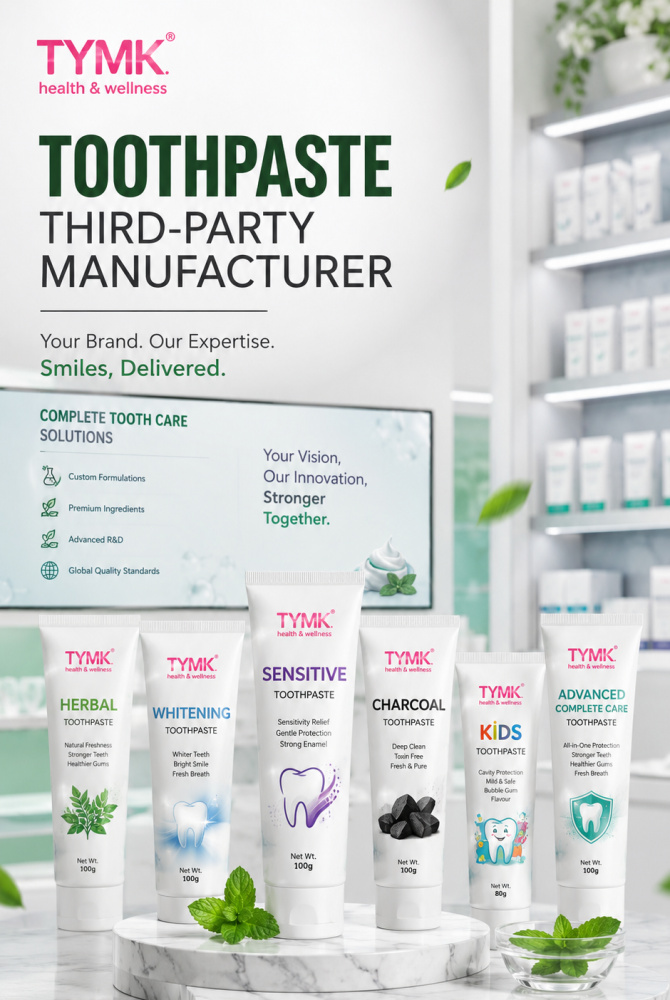
Toothpaste contract manufacturing helps brands produce oral care products through OEM, white label, and private label models. It reduces setup cost, speeds up launch, and supports scalable FMCG growth with professional formulation, production, and packaging support.
Toothpaste Contract Manufacturer: Complete Guide
Introduction
Most toothpaste brands don’t struggle with the idea stage. They struggle when production becomes real.
Formulation, compliance, packaging, minimum order quantities, consistency — this is where many new FMCG brands slow down or stop completely.
At this point, the role of a Toothpaste Contract Manufacturer becomes practical rather than optional. Instead of building infrastructure, brands rely on external manufacturing systems that already exist and are tested.
This shift is not theoretical anymore. It is how most modern oral care brands are actually built.
What is a Toothpaste Contract Manufacturer?
A toothpaste contract manufacturer is a third-party company that produces toothpaste on behalf of a brand.
The brand owns the name, packaging, and market presence. The manufacturer handles:
- Product formulation
- Production and mixing
- Quality testing
- Packaging and filling
- Regulatory compliance
In simple terms, the manufacturing burden is outsourced, while brand ownership remains with the client.
Why Toothpaste Contract Manufacturing is Important
The FMCG industry has changed direction in the last decade. Earlier, companies focused on owning factories. Now they focus on speed to market.
Contract manufacturing helps with that shift.
Key reasons brands use it:
- Reduces initial investment in machinery and setup
- Allows faster product launches
- Gives access to ready R&D systems
- Supports scaling without infrastructure pressure
- Reduces operational risk in early stages
This model is widely used in Personal Care Products Manufacturer ecosystems and oral care product lines.
How the Process Works (Real Flow)
In actual production environments, the workflow is structured but straightforward:
- Brand shares product requirement (herbal, fluoride, whitening, sensitive, etc.)
- The manufacturer develops a sample formulation
- Feedback and adjustments are made
- Final formula is approved
- Bulk production starts
- Packaging and labeling are completed
- Products are shipped to the brand warehouse or distributors
The important point is repetition. Once a formula is fixed, scaling becomes predictable.
When Should You Use Contract Manufacturing?
This model makes sense in specific business situations:
- Launching a new toothpaste brand quickly
- Testing multiple product variants in the market
- Entering the herbal or Ayurvedic oral care segment
- Expanding an existing FMCG portfolio
- Operating with limited capital investment
It is especially relevant for startups that want market entry without building factories.
Who Should Consider It?
Toothpaste contract manufacturing is commonly used by:
- FMCG startups
- D2C oral care brands
- Export-oriented companies
- MLM and direct selling businesses
- Ayurvedic and herbal product brands
Related ecosystems like MLM Product Manufacturer and Network Marketing Product Supplier models also depend heavily on similar manufacturing systems.
Which Model is Better?
There is no universal best option. It depends on the business stage and control requirements.
| Model | Control | Cost | Speed | Best Use Case |
|---|---|---|---|---|
| Contract Manufacturing | Medium | Balanced | Fast | Scaling brands |
| White Label | Low | Low | Very fast | Entry-level brands |
| Private Label | Medium | Medium | Medium | Brand-focused growth |
| OEM Manufacturing | High | High | Slow | Fully custom formulations |
Each model has a different role in the FMCG product development strategy.
Real-World Example (Industry Pattern)
A common pattern in oral care startups:
A new brand enters the market with a herbal toothpaste idea. Instead of setting up a plant, they approach a contract manufacturer.
Within a few weeks, samples are developed, tested, and approved. Production begins in batches.
The brand focuses only on packaging, marketing, and distribution.
This structure is why many herbal toothpaste manufacturers and Toothpaste White Label Manufacturer searches lead to contract manufacturing solutions.
(TYMK World)
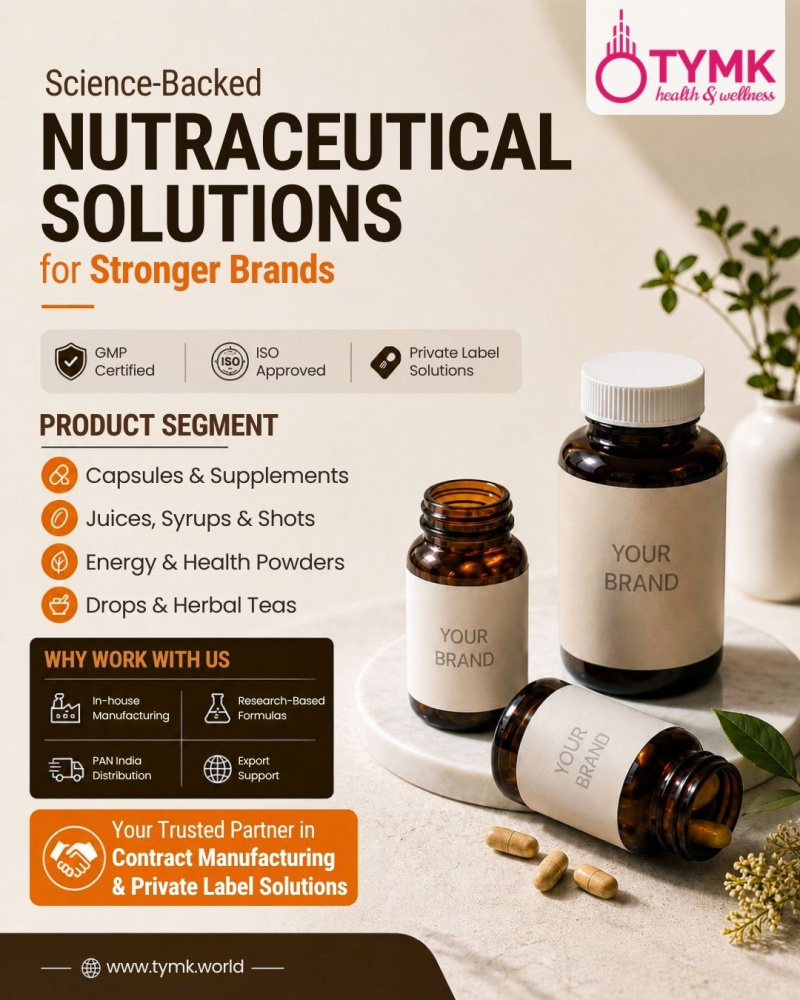
In the FMCG manufacturing ecosystem, TYMK World operates in the contract manufacturing and private label space, supporting brands across personal care, oral care, skincare, and herbal product categories.
The main value in this type of partnership is not just production capacity. It is consistency in formulation, controlled quality systems, and the ability to scale without rebuilding infrastructure each time demand increases.
A toothpaste contract manufacturer is a third-party production company that manufactures toothpaste for brands under their label. It manages formulation, production, quality control, and packaging while the brand focuses on marketing and sales. This model reduces cost, speeds up launch, and enables scalable FMCG production.
FAQs
What is a toothpaste contract manufacturer?
It is a third-party company that produces toothpaste for brands under its own label.
Is contract manufacturing cost-effective?
Yes, it reduces setup costs and allows brands to scale without building factories.
What is OEM toothpaste manufacturing?
OEM toothpaste is fully customized production based on brand-specific formulations.
Who uses contract manufacturing?
Startups, FMCG companies, MLM brands, and export businesses commonly use it.
What is better: white label or contract manufacturing?
White label is faster for entry; contract manufacturing offers more flexibility and control.
Conclusion
Toothpaste contract manufacturing has become a core system in FMCG brand building.
It removes infrastructure barriers and allows brands to focus on what actually drives growth — product positioning, marketing, and distribution.
For most new and scaling oral care businesses, this model is not just an option. It is the default starting point.