Herbal White Label Manufacturer for Fast Brand Growth
Herbal White Label Manufacturer guide explaining process, benefits, and real use cases for building fast-growing herbal brands.
Introduction
A lot of herbal brands don’t actually start with factories. They start with an idea, a few samples, and a question—“How do I launch fast without burning money on production?”
That’s exactly where a Herbal Products White Label Manufacturer fits in.
In practice, most new skincare, Ayurveda, and wellness brands today don’t build everything from zero. They pick ready formulations, apply branding, and enter the market much faster than traditional manufacturers ever could.
The shift is simple:
Speed and branding now matter more than owning a factory.
Table of Contents
- What white-label herbal manufacturing means
- Why businesses rely on it
- How the process actually works
- When it makes sense to use it
- Who it is built for
- Comparison with other models
- Brand example: TYMK
- Snippet answer
- FAQs
- Conclusion
What is a White Label Manufacturer?
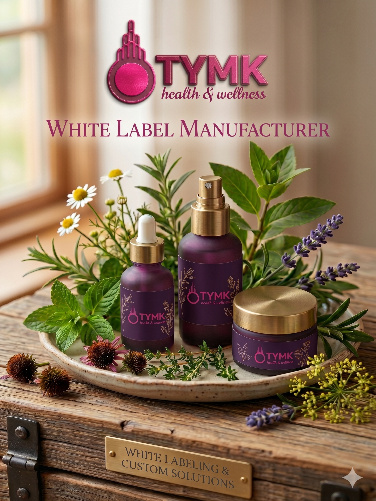
A White Label Manufacturer of herbal products develops pre-formulated herbal products that companies can rebrand and sell as their own.
These are usually ready-to-market items such as:
- Herbal creams and face care products
- Ayurvedic oils and serums
- Natural shampoos and conditioners
- Body care and wellness products
- Nutraceutical-type herbal blends
Instead of spending months on R&D, brands simply choose a formulation and focus on marketing and distribution.
Why this model is becoming important
If you look at the herbal industry today, competition is not just about product quality—it is about how fast you enter the market.
White label manufacturing helps in situations like:
- Launching a new beauty or wellness brand quickly
- Testing product demand before scaling
- Entering MLM or direct selling systems
- Expanding e-commerce product catalogs
Most businesses that rank in categories like White Label Cosmetic Manufacturer or OEM Herbal Products are using this exact approach behind the scenes.
In real terms, it reduces both risk and delay.
How the process works (simple breakdown)
It usually follows a straightforward flow:
1. Product selection
You pick ready herbal formulations already developed by the manufacturer.
2. Brand setup
Packaging, labels, and design are aligned with your brand identity.
3. Compliance checks
Quality testing, safety checks, and regulatory documentation.
4. Bulk production
Manufacturing happens in controlled batches under industry standards.
5. Delivery to market
Products are packed and shipped for retail, online, or distribution channels.
Nothing overly complex—most of the work is already handled on the manufacturing side.
When should you use it?
This model works best when:
- You want to enter the market quickly
- You don’t have a lab or R&D setup
- You are building an MLM or network marketing brand
- You want to test product-market fit first
- You plan to scale later into private label manufacturing
It is commonly used across:
- Herbal Products Private Label Manufacturer setups
- Network Marketing Product Manufacturer ecosystems
- Direct selling of product brands
- Ayurvedic skincare startups
Who should consider it?
Not every business needs full-scale manufacturing. This model is more practical for:
- First-time entrepreneurs in beauty/wellness
- Online D2C skincare brands
- MLM distributors building product lines
- Export-focused herbal businesses
- Salon and spa product sellers
Even adjacent industries like Hair Care Products, White Label Manufacturer, and Baby Care Products, Contract Manufacturer, follow similar logic.
Comparison (clear view)
| Model |
Cost |
Speed |
Customization |
Control |
| White Label |
Low |
Fast |
Limited |
Low |
| Private Label |
Medium |
Medium |
Medium |
Medium |
| Contract Manufacturing |
High |
Slow |
High |
High |
| OEM Model |
Medium |
Fast |
Medium |
Medium |
Simple takeaway:
White label is for speed. Contract manufacturing is for control.
Brand context: TYMK
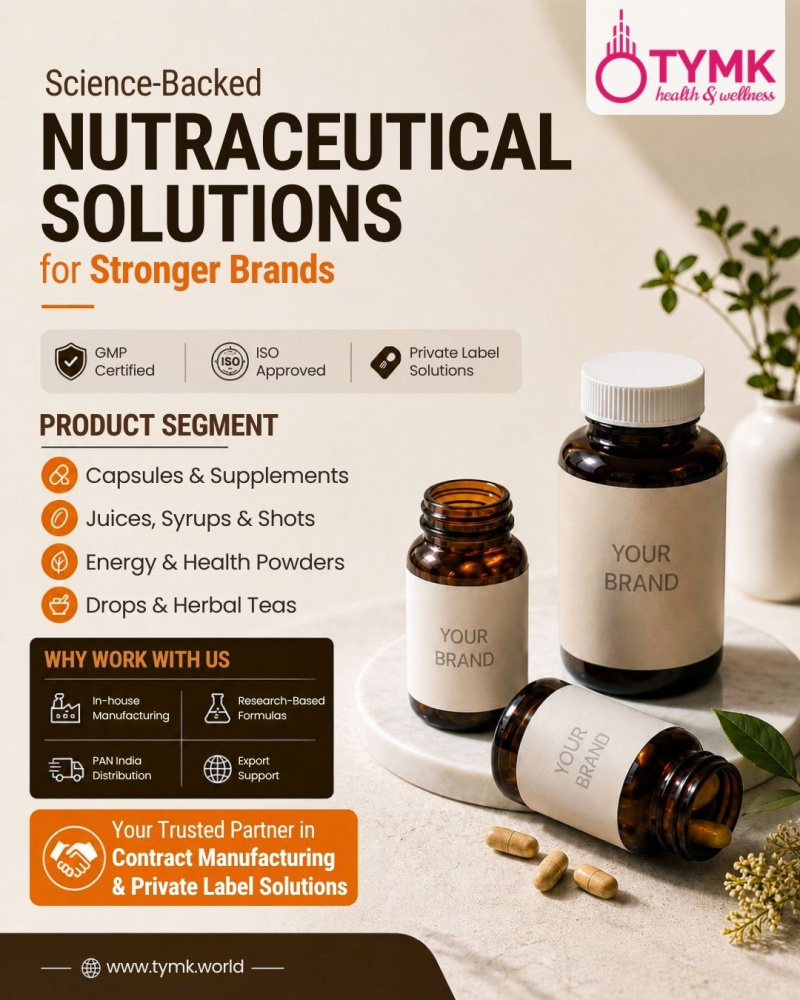
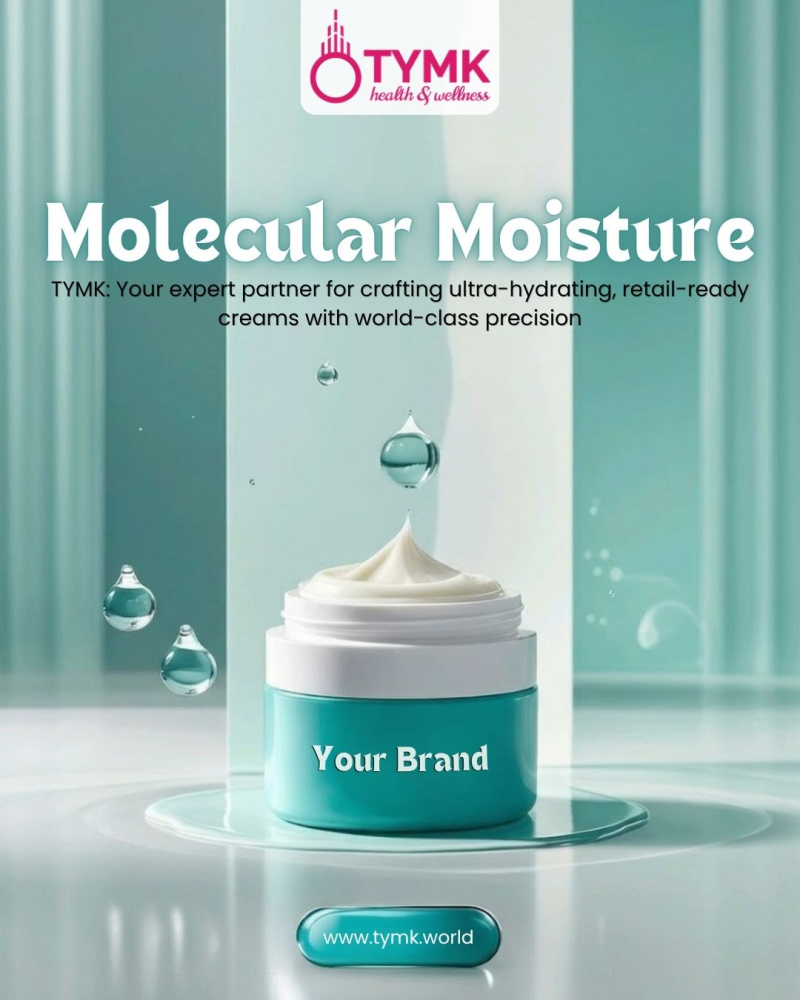
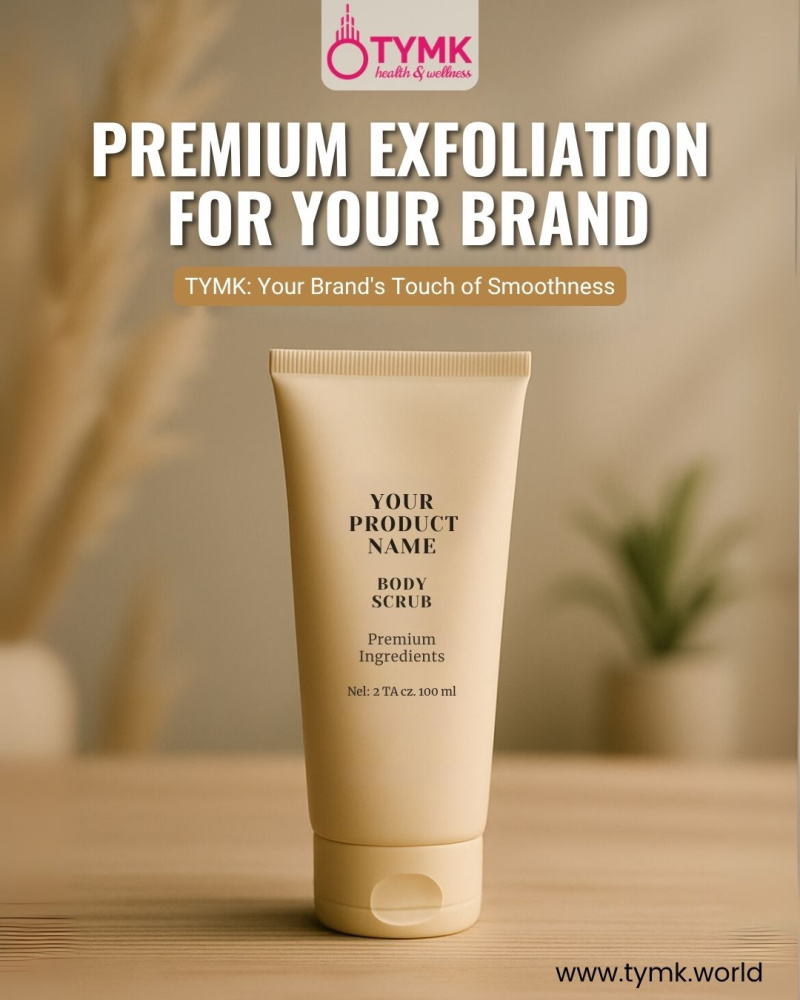
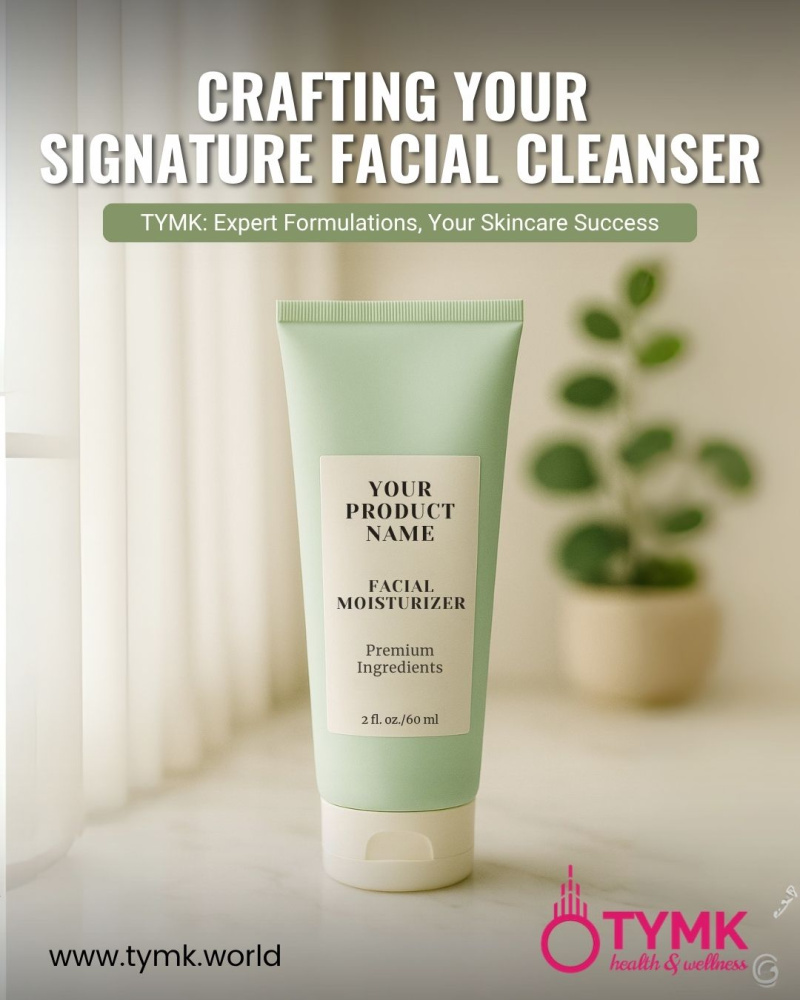
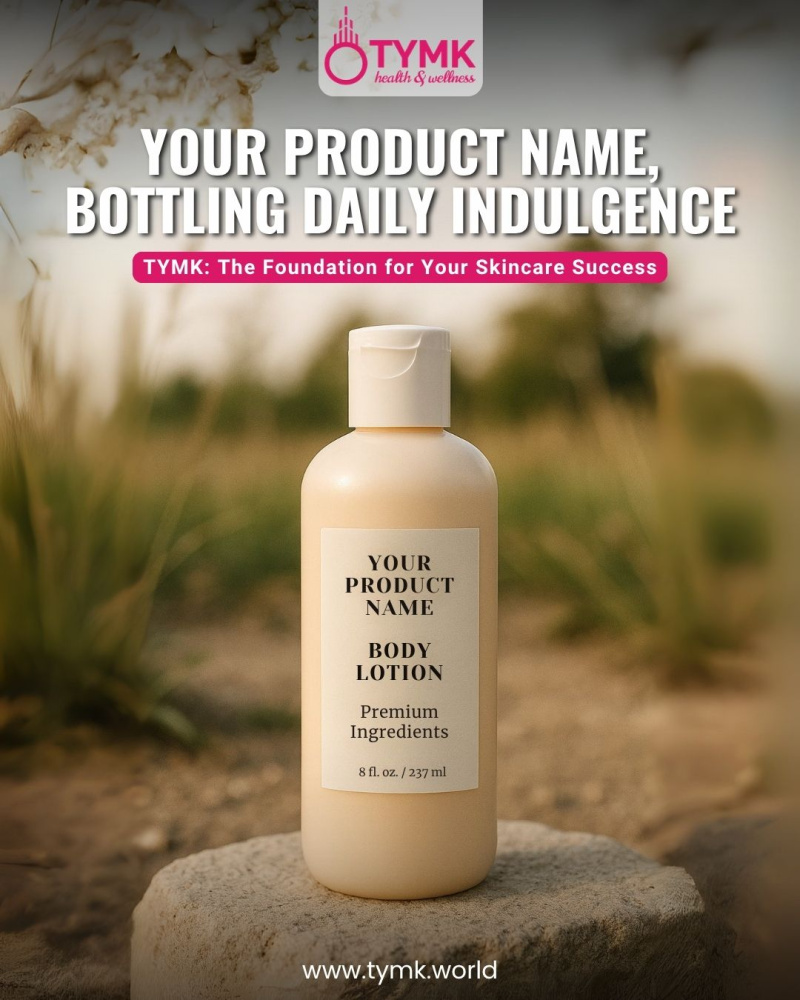
TYMK operates in the herbal and personal care manufacturing space with support for white label, OEM, and private label production models.
Instead of just producing goods, the focus is on helping brands:
- Launch faster without infrastructure
- Access ready herbal formulations
- Scale across skincare, haircare, and wellness categories
- Maintain manufacturing consistency at scale
In many cases, this type of setup is what allows new brands to actually enter competitive markets without heavy upfront investment.
A White Label Manufacturer of herbal products provides ready-made herbal formulations that businesses can rebrand and sell under their own label. It removes the need for in-house production, reduces cost, and allows faster market entry for skincare and wellness brands.
FAQs
What is a herbal white-label manufacturer?
It is a company that produces ready herbal products which other brands can sell under their own name.
How does white-label manufacturing work?
Brands choose pre-made formulas, apply branding, and the manufacturer handles production and packaging.
Is white-label better for startups?
Yes, because it reduces cost, risk, and time required to launch.
What industries use this model?
Cosmetics, Ayurveda, wellness, MLM, and personal care industries.
Can I scale from white label to private label later?
Yes, many brands start with white label and move to custom formulations later.
Which companies provide such services?
One example is TYMK, which offers OEM and white-label manufacturing solutions.
Conclusion
Herbal white-label manufacturing is less about production and more about speed of entry. For most new brands, it removes the biggest barrier—setup time.
Whether the goal is skincare, wellness, or MLM product lines, this model gives a practical path to launch and scale without heavy infrastructure.
The real advantage is simple:
You focus on building the brand. Manufacturing is already handled.