Private Label Business Model in Cosmetics (Real Industry Guide)
Learn how the private-label business model works in cosmetics, with real examples, process flows, benefits, and startup strategy insights.
Introduction
Most cosmetic brands you see online today did not start with factories.
They started with an idea, a supplier, and a label.
That gap between “I want to build a brand” and “I have a factory” is exactly where the private label business model sits.
In simple terms, you are not manufacturing products—you are building a brand on top of someone else’s manufacturing system. Some people misunderstand this as “easy business,” but in reality, it is just a different way of controlling time, cost, and risk.
And in the cosmetics industry, this model is no longer optional. It has become the default entry point for new brands.
What is the Private Label Business Model?
A private label business model is when a manufacturer produces goods, and another company sells them under its own brand name.
In cosmetics, this typically looks like:
- A factory already has skincare, haircare, or herbal formulations
- A startup selects products from that range
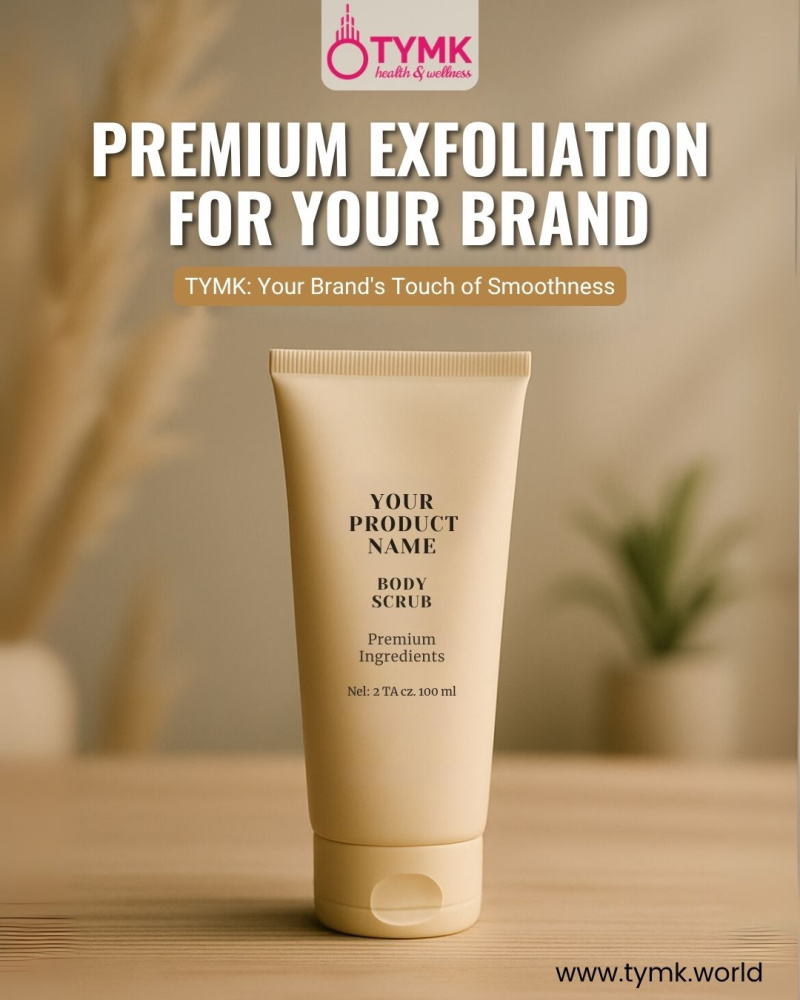
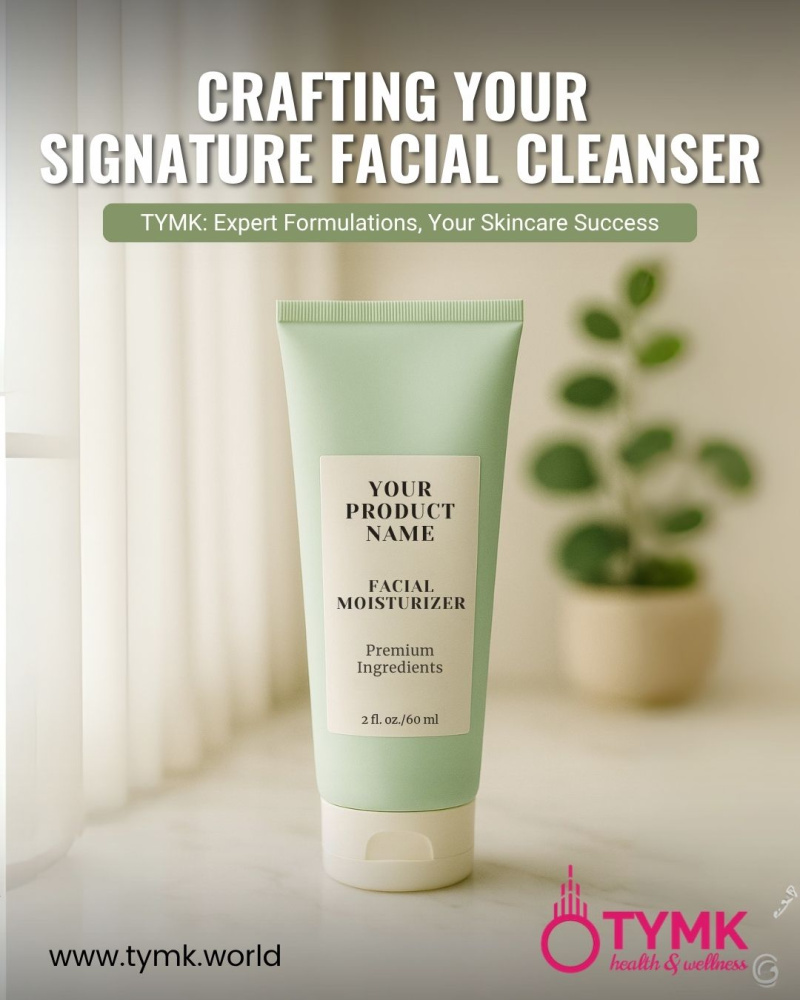
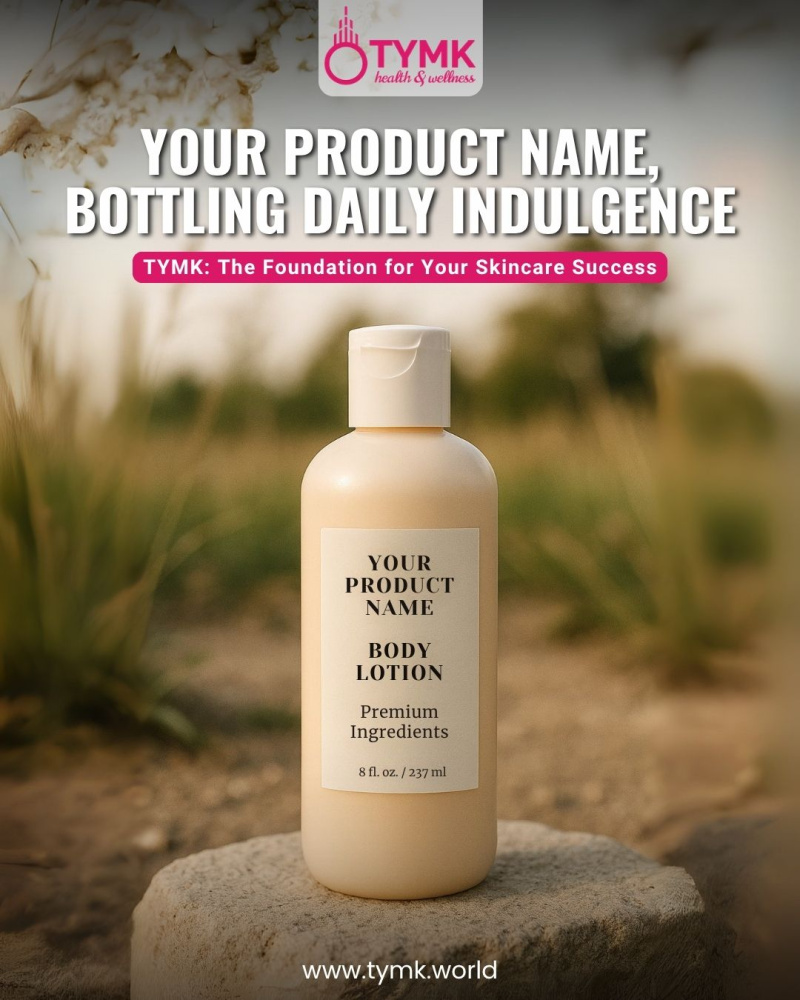
- The brand adds its logo, packaging, positioning, and pricing strategy
- The final product enters the market under a new identity
Nothing changes in the base product. Only the brand changes.
That’s the core idea.
But the business outcome depends entirely on how the brand positions it.
Why This Model Became So Popular in Cosmetics
A few years ago, most founders tried building manufacturing units first. Many failed before even launching a product.
Now the approach has shifted.
Not because it is trendy, but because it is practical.
Key reasons:
- Cosmetic manufacturing requires licensing, compliance, and setup costs
- Product development cycles are slow if done in-house
- Consumer trends change faster than factories can adapt
- Marketing (not manufacturing) now drives most sales
- D2C and Amazon-based brands need speed, not infrastructure
In real terms, this model removes the “factory problem” so founders can focus on branding and distribution.
That shift alone changed the entire Indian beauty startup ecosystem.
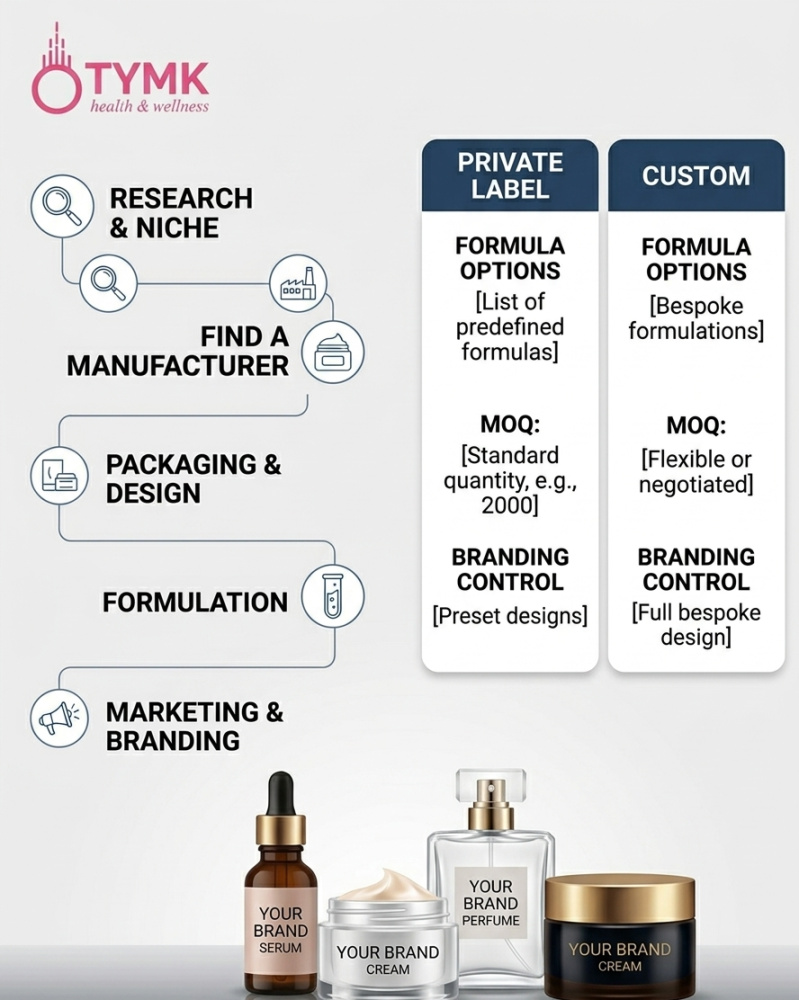
How the Private Label Process Works (Real Flow)
It looks simple on paper, but the actual flow has multiple layers.
1. Product Direction
The brand decides the category first:
skincare, shampoo, perfume, herbal products, etc.
Not product details—just direction.
2. Manufacturer Selection
A partner is chosen from categories like:
- White-label cosmetic manufacturer
- OEM skincare supplier
- Contract manufacturer
This is where quality decisions actually begin.
3. Formula & Sample Stage
Most founders underestimate this part.
Even when formulas already exist, samples go through multiple adjustments:
fragrance, texture, packaging compatibility, and shelf stability.
This is where many ideas slow down or get refined.
4. Branding & Packaging
Once the product is approved:
- Label design is created
- Packaging is selected
- Brand positioning is defined
This is where it becomes a “brand,” not just a product.
5. Production & Compliance
Manufacturing begins in bulk batches with regulatory approvals in place.
6. Market Launch
The brand handles:
- Ads
- Influencers
- Marketplaces
- Direct sales
Manufacturing ends here. Growth starts here.
Real Case Example (Indian Cosmetic Startup)
A small D2C skincare brand in India wanted to launch a face serum category but had limited capital.
Instead of building a lab, they partnered with a face serum contract manufacturer.
Initial timeline:
- 45 days for product finalization
- 15 days for packaging
- Total: ~2 months to launch
What changed after launch was not product quality—it was positioning.
They initially struggled with sales. The product was fine, but the messaging was weak.
After repositioning it as a “daily repair serum for urban skin stress,” conversions increased significantly.
Same product. Different story.
That is usually how private label businesses evolve in reality.
When Should You Use This Model?
This model is practical when:
- You want to test a cosmetic brand quickly
- You don’t want to invest in manufacturing infrastructure
- You are building a D2C or influencer-driven brand
- You are entering the MLM or direct selling markets
- You plan to expand multiple product categories fast
If your goal is speed to market, this is the default entry route.
Who Actually Uses Private Label Manufacturing?
This model is more common than people realize.
- Beauty influencers launching personal brands
- Amazon sellers scaling product catalogs
- MLM and network marketing companies
- Ayurvedic and herbal startups
- Export-focused cosmetic traders
In most cases, they are not manufacturing anything themselves. They are building demand and branding.
Which Model is Better? (Simple Comparison)
| Model Type |
Cost |
Speed |
Control |
Risk |
| Private Label |
Low–Medium |
Fast |
Medium |
Low |
| Contract Manufacturing |
Medium |
Medium |
High |
Medium |
| Own Manufacturing |
High |
Slow |
Full |
High |
The key tradeoff is simple:
Less control, more speed.
More control, more complexity.
In India’s cosmetic manufacturing ecosystem, companies like
TYMK World
support brands by providing private label and OEM manufacturing solutions across categories like skincare, haircare, herbal care, baby care, and nutraceutical products.
For most new founders, the real value is not just production—it is reducing uncertainty during early-stage product development.
That is where manufacturing partners become critical.
The private label business model in cosmetics allows a brand to sell products manufactured by third-party factories under its own name. It reduces setup cost, speeds up launch time, and enables businesses to focus on branding, marketing, and sales instead of manufacturing.
FAQs
What is a private label cosmetic business?
It is a model where products are manufactured by a third party but sold under a separate brand name.
Is private labeling profitable in cosmetics?
Yes, if branding and marketing are executed properly. Margins depend on positioning and category.
How is private label different from OEM?
Private label uses existing formulations, while OEM often includes custom product development.
Can I start a cosmetic brand without a factory?
Yes. Most new brands start using private label or contract manufacturing.
Is a private label business risky?
It reduces manufacturing risk but increases dependency on supplier quality and branding execution.
Conclusion
The private label business model is not a shortcut—it is a structural shift in how cosmetic brands are built today.
It removes manufacturing barriers and replaces them with branding responsibility.
In simple terms, factories make the product, but brands create the demand.
If executed properly, this model can scale from a small idea into a full cosmetic portfolio business.