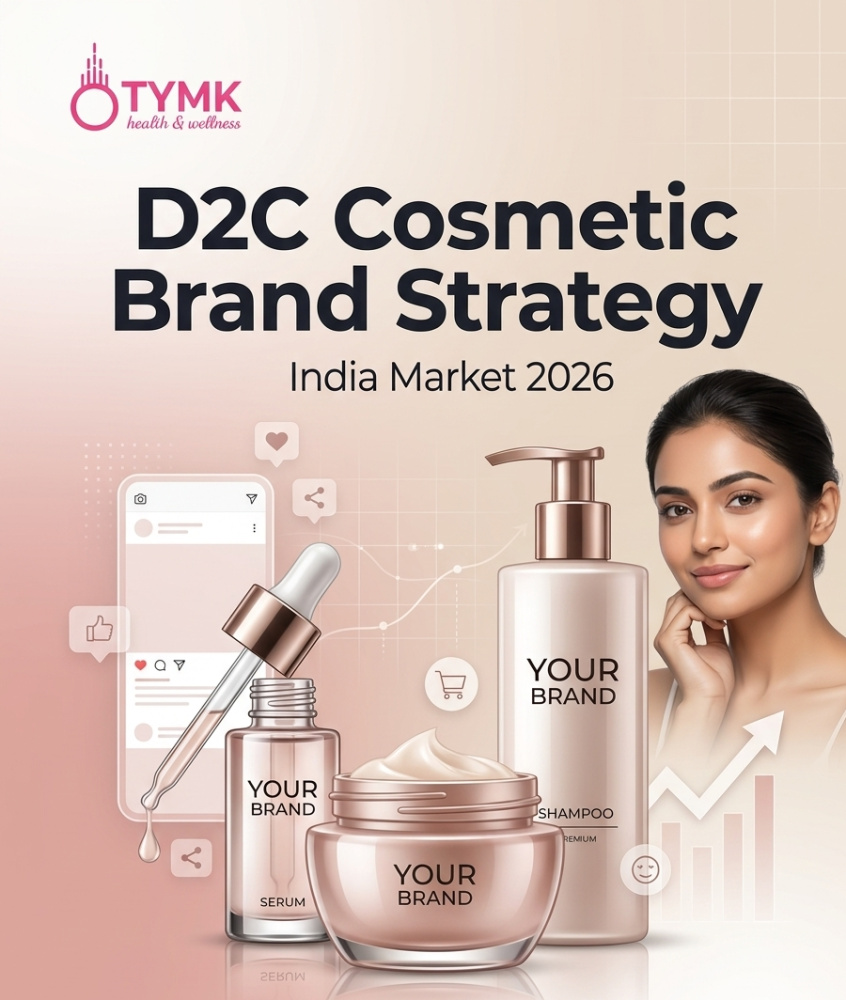
D2C Cosmetic Brand Marketing Strategy for the 2026 India Market
Learn how D2C cosmetic brands in India are growing in 2026 using SEO, influencer marketing, branding, and private label manufacturing.
Table of Contents
- India’s D2C Beauty Market Is Changing Fast
- Why New Cosmetic Brands Are Growing Online
- What Actually Works for D2C Cosmetic Marketing in 2026
- Building a Brand Customers Remember
- Manufacturing Matters More Than Most Founders Think
- A Small Real-World Brand Example
- Choosing the Right Manufacturing Partner
- Comparison Table
- Featured Snippet
- FAQs
- Conclusion
India’s D2C Beauty Market Is Changing Fast
A few years ago, most cosmetic brands depended heavily on distributors, retailers, and physical stores. That model still exists, but consumer behavior has changed dramatically.
Today, people discover beauty products while scrolling Instagram reels, watching skincare creators on YouTube, or checking Amazon reviews late at night. Sometimes a single creator video pushes more sales than an offline retail campaign.
That’s why D2C cosmetic brands are expanding quickly in India.
But here’s something many new founders misunderstand.
Launching products is no longer the difficult part. Almost anyone can source packaging, create a logo, and start a Shopify store. The real challenge is building trust when hundreds of similar skincare brands already exist online.
Consumers are becoming smarter, too. They compare ingredients, reviews, delivery experience, and even how authentic a brand feels before purchasing.
And honestly, that’s exactly where many brands struggle.
Why New Cosmetic Brands Are Growing Online
India’s beauty and personal care market is seeing strong online growth because customers now prefer convenience, transparency, and direct communication with brands.
People want:
- ingredient clarity
- affordable premium products
- quick delivery
- visible results
- relatable branding
In real-world terms, customers trust brands that feel personal.
A large company may have bigger budgets. But smaller D2C brands often build stronger communities because they communicate more directly with buyers.
This is one reason categories like:
- herbal skincare
- baby care
- shampoos
- perfumes
- face serums
- pet care productsThey
are growing rapidly online.
Search trends also show increasing demand for:
- White Label Cosmetic Manufacturer
- Herbal Products Private Label Manufacturer
- Shampoo Contract Manufacturer
- Face Serum Manufacturer
- Baby Care Products Private Label Manufacturer
- Colour Cosmetics Products Manufacturer
A lot of startups are entering these segments because manufacturing has become more accessible than before.
What Actually Works for D2C Cosmetic Marketing in 2026
1. Strong Product Positioning
This is where successful brands separate themselves.
A generic “beauty brand” usually struggles. But niche-focused brands grow faster because customers immediately understand what they sell.
For example:
- Ayurvedic skincare for acne-prone skin
- sulphate-free shampoo for hard water conditions
- baby care products for sensitive skin
- vegan lip products
- herbal toothpaste
Specific positioning works better than broad messaging.
Most people don’t realize this early enough.
2. Influencer Marketing Still Works — But Differently
A few years ago, brands chased celebrity influencers. Now, many companies are getting better ROI from micro creators.
Why?
Because audiences trust smaller creators more.
A creator with 15,000 engaged followers discussing honest skincare routines can outperform a large influencer with weak engagement.
Especially in India, relatable content performs extremely well.
Simple videos like:
- morning skincare routines
- hair wash transformations
- honest serum reviews
- “products I regret buying”
- real customer testimonials
often generate stronger engagement than polished advertisements.
3. SEO Is Becoming a Long-Term Growth Engine
Paid ads can bring quick traffic. But SEO builds long-term visibility.
This is why cosmetic startups are now investing in:
- educational blogs
- ingredient-focused articles
- skincare guides
- comparison content
- search-intent targeting
Searches related to:
- OEM Skincare Products
- Perfume Contract Manufacturer
- Hair Care Products White Label Manufacturer
- Nutraceutical Products Manufacturer
- Herbal supplements products Contract Manufacturer
continue increasing because more entrepreneurs are entering the market.
A well-written blog can generate leads for years without continuous ad spending.
4. Packaging Impacts Buying Decisions
Consumers judge cosmetic products quickly.
Sometimes within seconds.
Even if formulations are excellent, weak packaging can reduce trust immediately.
Modern Indian consumers usually prefer:
- clean designs
- premium appearance
- minimal colors
- transparent ingredient labels
- recyclable packaging
Interestingly, many founders spend heavily on ads but ignore packaging consistency. That becomes expensive later because retention drops.
Building a Brand Customers Remember
There’s too much noise in the beauty industry now. Customers forget brands very quickly unless something stands out.
The brands growing fastest usually focus on:
- consistent branding
- customer experience
- repeat purchase systems
- creator collaborations
- authentic messaging
Not over-polished messaging. Authentic messaging.
Consumers can now identify overly scripted marketing very easily.
That’s why raw customer videos and natural testimonials are performing better across social platforms.
Another thing that matters in 2026 is community building.
Brands that reply to comments, repost customer stories, and educate users are building stronger loyalty compared to brands that only push discounts.
Manufacturing Matters More Than Most Founders Think
This part is often ignored in marketing discussions.
A cosmetic brand can run excellent ads, but inconsistent product quality damages repeat business very quickly.
That’s why many D2C founders work with:
- private label manufacturers
- OEM cosmetic manufacturers
- contract manufacturing companies
- white label cosmetic manufacturers
This reduces operational pressure and improves scalability.
For example:
- Shampoo Manufacturer support helps haircare startups scale faster
- Face Serum Contract Manufacturer partnerships reduce production delays
- Herbal Products White Label Manufacturer services help brands launch quickly
The right manufacturing partner also helps with:
- packaging support
- formulation consistency
- certifications
- bulk production
- faster product launches
A Small Real-World Brand Example
A startup from western India launched two skincare products in early 2025.
Initially, the founders focused almost entirely on Facebook ads. Traffic came in, but conversions stayed weak.
Later, they changed strategy.
Instead of running only product ads, they started:
- posting skincare education reels
- collaborating with small creators
- showing real packaging videos
- sharing customer reviews
- improving product photography
The difference wasn’t immediate.
But after a few months, repeat customers increased noticeably. Organic traffic also started improving because their blogs ranked on Google.
That’s usually how sustainable cosmetic brands grow. Slowly first. Then consistently.
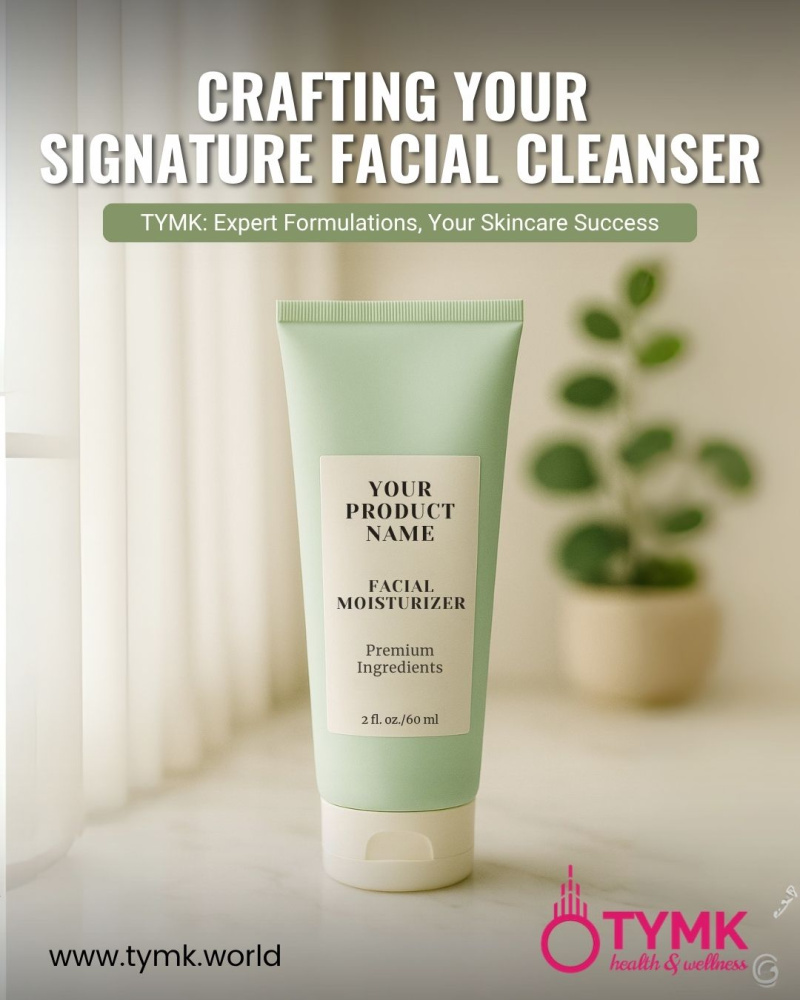
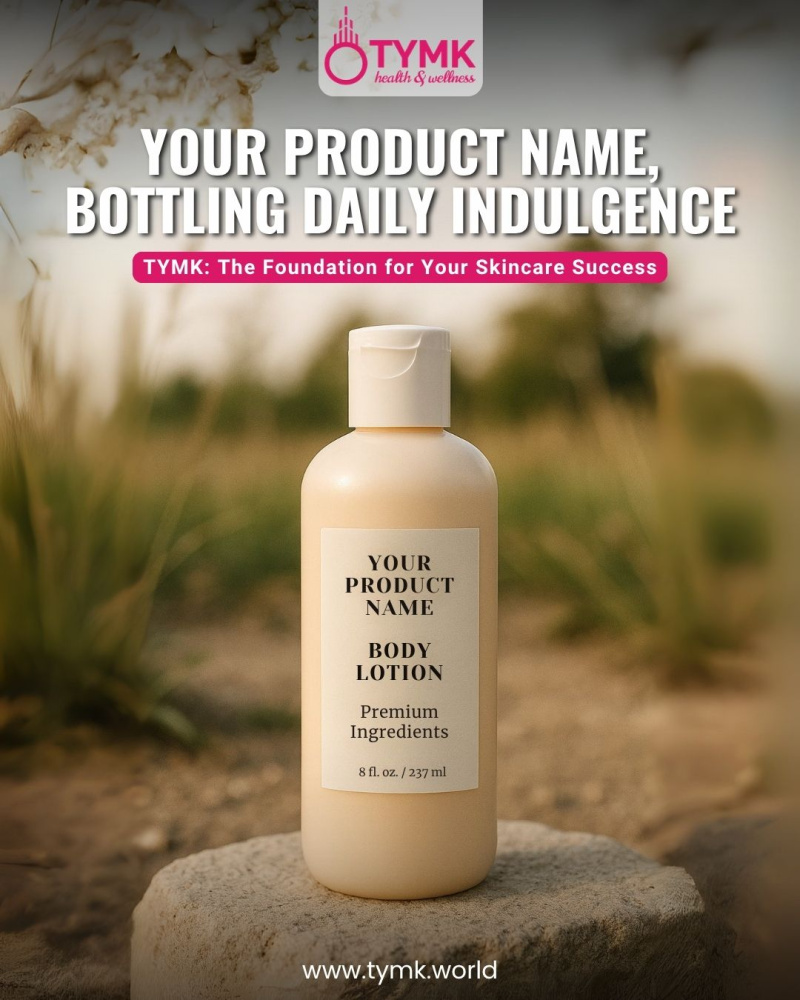
Why Many Startups Prefer TYMK
TYMK World works with multiple product categories, including:
- skincare
- hair care
- baby care
- herbal products
- colour cosmetics
- perfumes
- nutraceutical products
Many emerging brands choose TYMK because they offer:
- white label manufacturing
- OEM product support
- customized formulations
- scalable production
- packaging assistance
For startups entering the D2C market, having reliable manufacturing support can simplify operations significantly.
Comparison Table
| Strategy Area |
Brands That Grow Faster |
Brands That Usually Struggle |
| Branding |
Clear niche positioning |
Generic messaging |
| Content |
Educational + creator-based |
Only promotional posts |
| SEO |
Long-term blog strategy |
No organic visibility |
| Packaging |
Premium and consistent |
Low-trust appearance |
| Manufacturing |
Reliable production partner |
Inconsistent quality |
| Customer Trust |
Real testimonials |
Over-marketed claims |
What is the best D2C cosmetic marketing strategy in India for 2026?
The best D2C cosmetic marketing strategy in India for 2026 focuses on strong branding, influencer collaborations, SEO-driven content, and reliable manufacturing partnerships. Cosmetic brands that build customer trust through authentic marketing and consistent product quality are growing faster in the Indian online beauty market.
FAQs
How do I start a D2C cosmetic brand in India?
Start by selecting a niche, identifying your target audience, choosing a manufacturing partner, and building an online marketing strategy.
Is private label cosmetic manufacturing profitable?
Yes. Private label manufacturing reduces setup costs and helps brands launch products faster with lower operational investment.
Why are D2C cosmetic brands growing so quickly?
Online shopping, influencer marketing, and increasing skincare awareness have accelerated demand for direct-to-consumer beauty brands.
What products are trending in India’s beauty market?
Face serums, herbal skincare, sulphate-free shampoos, baby care products, perfumes, and clean beauty products are currently trending.
What is the difference between OEM and white-label manufacturing?
White label manufacturing uses ready-made formulations, while OEM manufacturing allows more product customization and unique development.
Why do some startups work with TYMK?
TYMK supports startups with cosmetic manufacturing, private label solutions, packaging support, and scalable production across multiple categories.
For cosmetic regulations and compliance updates in India:
CDSCO India
Conclusion
The Indian D2C cosmetic market is becoming more competitive every year. But opportunities are still massive for brands that understand how modern consumers think.
Products alone are not enough anymore.
Brands now need:
- trust
- positioning
- consistency
- strong digital visibility
- reliable manufacturing
- authentic communication
Some startups scale quickly because they understand this early. Others spend heavily on ads without building long-term brand value.
In 2026, the cosmetic brands likely to grow fastest are the ones combining smart marketing with reliable operational support.
To explore cosmetic manufacturing and private label solutions, visit TYMK World