Top 10 Trending Cosmetic Products to Start a Brand in 2026
Top 10 Trending Cosmetic Products to Start a Brand in 2026
Introduction
Starting a cosmetic brand today is easier than before, but building one that actually survives in the market is not.
In 2026, the cosmetic industry is crowded, fast-moving, and heavily influenced by ingredient awareness. Customers don’t just buy products anymore — they question them. What’s inside, who made it, and whether the brand feels trustworthy all matter.
Because of this, the first real decision for any founder is not branding or packaging. It is product selection.
If the product is wrong, even good marketing won’t fix it. If the product is right, everything else becomes easier.
Here are the categories that are actually working in the market right now.
1. Herbal Face Wash
Most skincare journeys still begin with face wash, which is why this category remains active year after year.
Herbal variants continue to perform well because consumers prefer something gentle, familiar, and safe for daily use. Neem, aloe vera, and tea tree are still widely used because they feel “trustworthy” to the average buyer.
It’s not a hype product, but it is stable — and stability matters in early-stage brands.
2. Vitamin C Serums
Vitamin C has become one of those ingredients that almost every skincare user recognizes now.
It is used for glow, uneven tone, and general skin improvement. What changed in recent years is awareness — users now actively look for serums instead of being introduced to them by brands.
This makes it easier for new brands to enter this space without heavy education.
3. Sunscreen
Sunscreen is no longer a seasonal product. It has become part of daily skincare routines.
Consumers now expect sunscreen to feel light, blend easily, and not leave a visible layer on the skin. This shift in expectation has created strong demand for modern formulations.
It is also one of the most consistent growth categories in skincare.
4. Hair Growth Serums
Hair-related concerns are extremely common, which is why this category continues to expand.
Instead of only relying on traditional oils, consumers are now exploring serums and targeted scalp treatments that feel more “advanced” and results-focused.
It is a category driven more by emotion than logic, which often translates into strong demand.
5. Face Masks
Face masks have moved from occasional use to regular skincare routines.
Sheet masks, clay masks, and overnight treatments all exist in different usage patterns, but the overall behavior is similar — quick improvement and self-care experience.
For new brands, this category is also visually strong, which helps in marketing.
6. Niacinamide-Based Products
Niacinamide is now one of the most widely accepted active ingredients in skincare.
It is used for acne control, oil balance, and improving texture. The important shift is that consumers already understand it, so it doesn’t require heavy explanation.
That alone makes it easier for brands to sell.
7. Lip Care Products
Lip care used to be a basic category, but that has changed.
Now it includes tinted balms, SPF protection, and ingredient-focused formulations. It is a small product, but it has one of the highest repeat usage cycles in cosmetics.
That makes it valuable for long-term brand building.
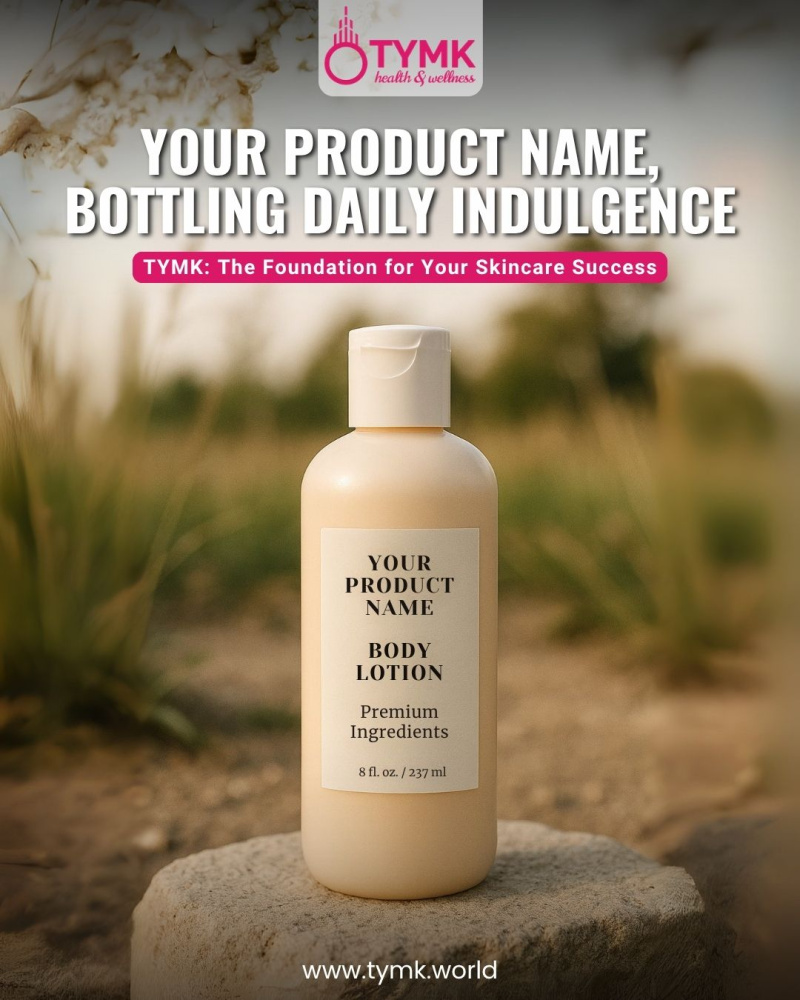
8. Body Lotions
Body lotions are not trend-driven, and that is exactly why they work.
People use them regularly, especially in dry or seasonal climates. Texture and fragrance matter more than marketing claims here.
It is a steady consumption category, not a hype category.
9. Anti-Aging Creams
This is a premium skincare segment that has always had demand.
Ingredients like retinol and peptides are now widely used, and consumers in this segment are usually more ingredient-aware.
It is competitive, but it also allows higher pricing and stronger margins.
10. Perfumes and Body Mists
Fragrance is slowly shifting from a luxury perception to everyday use.
Affordable perfumes and body mists are growing because users want more variety and personal expression in their grooming routine.
This category also works well from a branding perspective because it connects strongly with identity.
Regulatory Context in India
Before launching any cosmetic product in India, compliance is not optional.
The regulatory authority responsible for cosmetics is:
It ensures that products meet safety and manufacturing standards before reaching the market.
Ignoring this step usually creates problems later in distribution or approvals.
Product Category Exploration
If you are still figuring out what to launch, it helps to first understand what categories are actually available for manufacturing.
👉 https://tymk.world/our-category
This gives a clear view of skincare, haircare, herbal, and fragrance manufacturing options.
How TYMK Fits In
Finding a reliable manufacturer is often the hardest part of starting a cosmetic brand.
TYMK helps connect founders with verified manufacturers who already work under proper compliance systems.
This includes:
- GMP and ISO-aligned manufacturers
- private label options
- multiple cosmetic categories
FAQs
1. Which cosmetic product is best to start a brand in 2026?
There is no single “best” product, but categories like herbal face wash, sunscreen, vitamin C serums, and niacinamide-based skincare are currently performing strongly in India due to consistent demand.
2. Is skincare better than makeup for new cosmetic brands?
In 2026, skincare generally has a more stable demand compared to makeup. Skincare solves daily problems like acne, pigmentation, and dryness, which creates repeat usage and long-term customer retention.
3. Do I need certification to start a cosmetic brand in India?
Yes, compliance is important. Manufacturing should follow regulatory standards under the CDSCO (Central Drugs Standard Control Organization). More information is available at:
👉 https://cdsco.gov.in/
4. What is the most profitable cosmetic category?
Profitability depends on branding and positioning, but serums (Vitamin C, niacinamide), sunscreen, and fragrance products usually offer strong margins due to premium pricing potential.
5. Can I start a cosmetic brand with private label manufacturing?
Yes, most new brands in India start through private label or contract manufacturing. This reduces setup cost and allows faster market entry.
Conclusion
The cosmetic industry in 2026 is not just growing — it is becoming more structured and quality-driven.
Success today does not depend only on marketing or packaging. It starts much earlier, at the product selection stage.
If the category is aligned with market demand, everything else becomes easier:
manufacturing, branding, pricing, and scaling.
To summarize simply:
- Skincare remains the strongest growth segment
- Active ingredients like Vitamin C and Niacinamide are driving demand
- Sunscreen and haircare are becoming daily-use essentials
- Fragrance is shifting into lifestyle branding
At the same time, compliance cannot be ignored. Any cosmetic product in India must follow proper regulatory guidelines under CDSCO.
For founders still exploring product options and manufacturing categories, it is important to understand what is actually available before making a decision:
👉 https://tymk.world/our-category
And when it comes to choosing verified manufacturing partners, working with compliant suppliers reduces risk and speeds up brand launch:
In short, 2026 is not about entering the cosmetic industry randomly — it is about entering it with clarity, demand understanding, and the right manufacturing foundation.