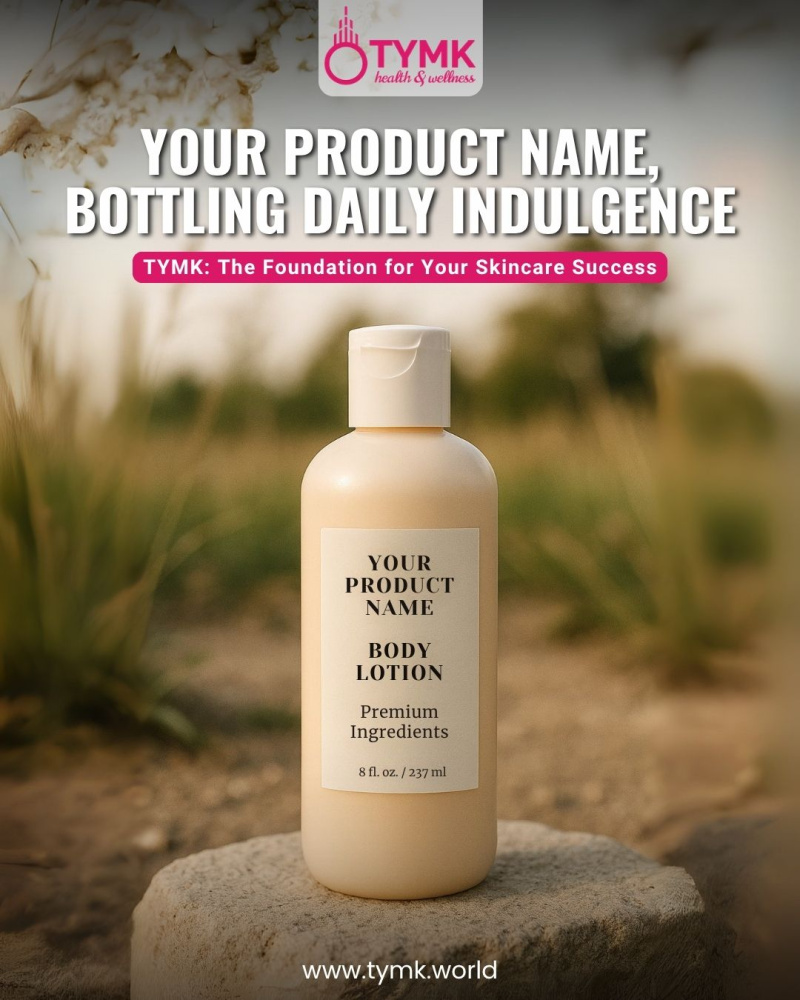
Body Lotion Manufacturer: 7 Key Factors for Building a Successful Skincare Brand
Pure Rose Water Solution has become one of the most trusted natural skincare ingredients for hydration, soothing, and skin refreshment. Learn its benefits, applications, manufacturing process, and how TYMK helps brands develop high-quality rose water products.
Body Lotion Manufacturer: 7 Key Factors for Building a Successful Skincare Brand
Table of Contents
- Introduction
- What is a Body Lotion Manufacturer?
- Why the Demand for Body Lotion is Growing
- How Body Lotion Manufacturing Works
- Types of Manufacturing Models
- Key Factors to Consider When Choosing a Manufacturer
- Why Choose TYMK for Body Lotion Manufacturing
- Real Business Example
- Comparison Table
- Featured Snippet
- FAQs
- Conclusion
The skincare industry continues to grow as consumers become more conscious about skin health, hydration, and personal care. Among the most popular skincare products, body lotions remain a daily essential for millions of people worldwide. For entrepreneurs, beauty startups, wellness brands, and established cosmetic companies, partnering with a reliable Body Lotion Manufacturer can be the difference between launching a successful product and struggling with quality issues.
Many new brands assume that creating a body lotion is simply about mixing ingredients and adding a label. In reality, formulation development, ingredient sourcing, stability testing, packaging selection, compliance requirements, and scalable production all play important roles. This is why choosing the right manufacturing partner matters from the very beginning.
What is a Body Lotion Manufacturer?
A Body Lotion Manufacturer is a company that develops, formulates, produces, packages, and supplies body lotion products for businesses and brands. These manufacturers may offer private label, white label, OEM, or contract manufacturing services depending on the client's requirements.
Instead of investing heavily in machinery, laboratories, production facilities, and technical teams, brands can work with experienced manufacturers who already have the infrastructure needed to create high-quality skincare products.
Modern manufacturers often help with:
- Product formulation
- Ingredient sourcing
- Packaging development
- Label design support
- Quality testing
- Bulk production
- Regulatory compliance
This approach allows businesses to focus on branding, marketing, and customer acquisition while manufacturing experts handle production.
Why the Demand for Body Lotion is Growing
The global skincare market has changed significantly over the last decade. Consumers now pay closer attention to ingredients, skin types, sustainability, and product performance.
Body lotions are no longer viewed as seasonal products. They have become daily-use skincare essentials for hydration, skin protection, and nourishment.
Several trends are driving market growth:
- Increasing awareness of skincare routines
- Growing demand for herbal and natural ingredients
- Expansion of e-commerce beauty brands
- Premium personal care product adoption
- Demand for customized skincare solutions
Most people don't realize this, but many successful skincare brands do not own manufacturing facilities. They work closely with specialized cosmetic manufacturers who help bring their product ideas to life.
How Body Lotion Manufacturing Works
The manufacturing process involves several stages designed to ensure consistency, safety, and product effectiveness.
1. Product Concept Development
The process begins with identifying the target audience and desired product benefits. A brand may want a moisturizing lotion, an anti-aging formula, a herbal lotion, a baby lotion, or a luxury body care product.
2. Formulation Development
Experts create a formula using ingredients that align with the product's objectives. This stage includes testing texture, fragrance, absorption, and performance.
3. Sample Approval
Manufacturers provide samples for evaluation. Brands can request modifications before moving to large-scale production.
4. Production
Once approved, the formula is produced in bulk using controlled manufacturing processes.
5. Packaging and Labeling
Products are filled into selected packaging and labeled according to regulatory requirements.
6. Quality Assurance
Every batch undergoes testing to maintain quality standards before distribution.
Types of Manufacturing Models
Understanding different manufacturing models helps businesses select the right solution.
| Manufacturing Type | Best For | Customization Level |
|---|---|---|
| Private Label | Fast product launch | Medium |
| White Label | Multiple brands using existing formulas | Low |
| OEM Manufacturing | Custom brand requirements | High |
| Contract Manufacturing | Full production outsourcing | Very High |
Each model serves a different business objective. Startups often prefer private label solutions, while established brands frequently choose OEM manufacturing for greater differentiation.
Key Factors to Consider When Choosing a Manufacturer
Choosing a manufacturing partner should involve more than comparing prices.
Quality Standards
A reputable manufacturer follows strict quality control procedures and industry standards.
Product Customization
Customization allows brands to create unique formulations that stand out in a crowded market.
Scalability
Your manufacturing partner should be capable of supporting growth as product demand increases.
Ingredient Transparency
Consumers increasingly prefer brands that provide clear information about ingredients and sourcing.
Packaging Capabilities
Packaging plays a major role in customer perception and purchasing decisions.
Industry Experience
Experienced manufacturers often identify potential production challenges before they become costly problems.
Why Choose TYMK for Body Lotion Manufacturing?
When launching or expanding a skincare brand, selecting the right manufacturing partner is a strategic business decision. TYMK provides comprehensive manufacturing support designed to help brands move from concept to market efficiently.
Key advantages include:
- Customized product development
- Private label and OEM solutions
- Scalable production capabilities
- Quality-focused manufacturing processes
- Packaging and branding support
- Industry expertise across multiple product categories
Rather than offering a one-size-fits-all approach, TYMK works with brands to develop products that align with their business goals and target market requirements.
Real Business Example
A startup skincare company wanted to launch a premium herbal body lotion line but lacked manufacturing expertise and production infrastructure.
Instead of investing in expensive equipment, the company partnered with an experienced manufacturing provider. The manufacturer handled formulation, testing, packaging, and production while the startup focused on branding and digital marketing.
Within the first year, the company expanded from a single product to a complete skincare range. This example highlights how strategic manufacturing partnerships can accelerate growth while reducing operational complexity.
Industry Challenges Many Brands Overlook
One of the biggest mistakes new skincare businesses make is focusing entirely on packaging while ignoring formulation quality.
Common challenges include:
- Inconsistent product quality
- Poor ingredient compatibility
- Regulatory compliance issues
- Supply chain disruptions
- Inadequate scalability planning
Successful brands typically address these challenges early by working with experienced manufacturing partners.
Featured Snippet
What does a Body Lotion Manufacturer do?
A Body Lotion Manufacturer develops, formulates, produces, and packages body lotion products for brands through private label, white label, OEM, and contract manufacturing services. TYMK helps businesses launch high-quality skincare products by managing formulation, production, quality control, packaging, and manufacturing support under one integrated process.
For cosmetic regulations and product safety guidance, businesses can refer to the official website of the U.S. Food & Drug Administration (FDA): https://www.fda.gov
FAQs
What is a Body Lotion Manufacturer?
A Body Lotion Manufacturer develops and produces body lotion products for skincare brands using private label, OEM, white label, or contract manufacturing models.
What is the difference between private label and OEM manufacturing?
Private label uses existing formulations, while OEM manufacturing allows brands to create customized formulations and unique products.
How long does body lotion manufacturing take?
The timeline depends on formulation complexity, packaging requirements, testing, and production volume. Customized projects generally take longer than private label solutions.
Is body lotion manufacturing suitable for startups?
Yes. Many manufacturers offer low minimum order quantities and product development support for startup brands.
Why should I choose TYMK for body lotion manufacturing?
TYMK provides customized manufacturing solutions, quality-focused production, branding support, and scalable capabilities to help businesses launch and grow skincare brands.
Conclusion
Choosing the right Body Lotion Manufacturer is one of the most important decisions for any skincare business. A strong manufacturing partner helps ensure product quality, consistent production, regulatory compliance, and long-term scalability.
As consumer demand for skincare products continues to rise, businesses that focus on quality, innovation, and reliable manufacturing partnerships will be better positioned for success. Whether you're launching your first skincare product or expanding an existing brand portfolio, TYMK can help transform your vision into market-ready body lotion products designed for today's competitive beauty industry.