Shampoo Manufacturing Process for Private Label Brands
Shampoo Manufacturing Process for Private Label Brands
Meta Description
Understand the real shampoo manufacturing process for private label brands and how to launch your own brand without a factory.
Introduction
Let’s clear one myth first—starting a shampoo brand doesn’t mean you need a factory.
A lot of people assume you need machines, chemicals, lab setup… all that. You don’t. Most small brands you see online? They’re not manufacturers. They’re just good at branding and selling.
This guide breaks down the shampoo manufacturing process for private label brands in a way that actually makes sense—especially if you’re just starting out.
Table of Contents
- What Private Label Actually Means
- Real Shampoo Manufacturing Process
- Ingredients (What Matters vs What Doesn’t)
- Types of Shampoo You Can Sell
- Cost & Margins (Honest View)
- Beginner Mistakes
- Manufacturing Table
- Featured Snippet
- Why TYMK
- Linking Strategy
- FAQs
- Conclusion
What Private Label Actually Means
In simple terms:
You don’t make the shampoo.
Someone else does.
You sell it under your brand.
That’s it.
I’ve seen people overcomplicate this part a lot. One guy I know spent weeks researching machinery—later realized he didn’t need any of it.
Shampoo Manufacturing Process for Private Label Brands
Now let’s go step by step—but in a practical way.
1. Start With the Market, Not the Product
Most beginners think:
“Let’s create a unique shampoo.”
Wrong approach.
Better question:
“What are people already buying?”
Right now:
- Hair fall solutions
- Sulfate-free shampoos
- Herbal positioning
are easier to sell.
2. Formula Selection (Keep It Simple)
You’ll usually get:
- Ready-made formulas
- Custom formulas
If you’re new, don’t try to reinvent anything.
Pick something that already works.
3. Ingredients – Reality Check
Yes, shampoos have:
- Surfactants
- Conditioners
- Preservatives
But here’s what most people don’t realize—
Customers don’t read ingredient lists deeply.
They respond to:
- Packaging
- Claims
- Reviews
4. Manufacturing (Happens Behind the Scenes)
At the factory level:
- Ingredients are mixed
- Heated if required
- Stabilized
You’re not involved in this. And honestly, you don’t need to be.
5. Testing
This is where things get serious.
Good manufacturers check:
- pH balance
- Skin compatibility
- Shelf stability
Skipping this step might save money now—but can destroy your brand later.
6. Packaging – Where Sales Actually Happen
Same formula. Different bottle.
One sells. One doesn’t.
I’ve seen average products perform really well just because:
- The label looked premium
- The branding felt “clean.”
Don’t treat packaging as an afterthought.
7. Selling (This Is the Real Work)
Manufacturing is just set up.
Growth comes from:
- Content (Reels, ads)
- Influencers
- Marketplace optimization
If this part is weak, even the best product won’t move.
Types of Shampoo You Can Sell
- Anti-dandruff
- Hair fall control
- Herbal
- Sulfate-free
- Baby care
If you’re unsure, start with something simple like hair fall control + herbal positioning.
Cost & Margins (Real Talk)
Typical numbers:
- Manufacturing cost: ₹80–₹140
- Selling price: ₹249–₹399
Margins look good on paper.
But remember—ads, packaging, and returns eat into profits.
Beginner Mistakes
- Spending too much time on product perfection
- Ignoring branding
- Not testing demand
- Ordering too much stock initially
If you’re starting—launch fast, adjust later.
📊 Manufacturing Overview Table
| Step | What It Means | What Actually Matters |
|---|---|---|
| Idea | Choosing niche | Demand > creativity |
| Formula | Product base | Proven > unique |
| Production | Manufacturing process | Outsourced |
| Testing | Quality check | Critical |
| Packaging | Look & feel | Drives buying decisions |
| Selling | Marketing | Most important |
The shampoo manufacturing process for private label brands includes selecting a formula, outsourcing production to a manufacturer, testing for quality, and packaging under your own brand name. This approach allows entrepreneurs to launch a shampoo business without investing in a factory and focus mainly on branding and sales.
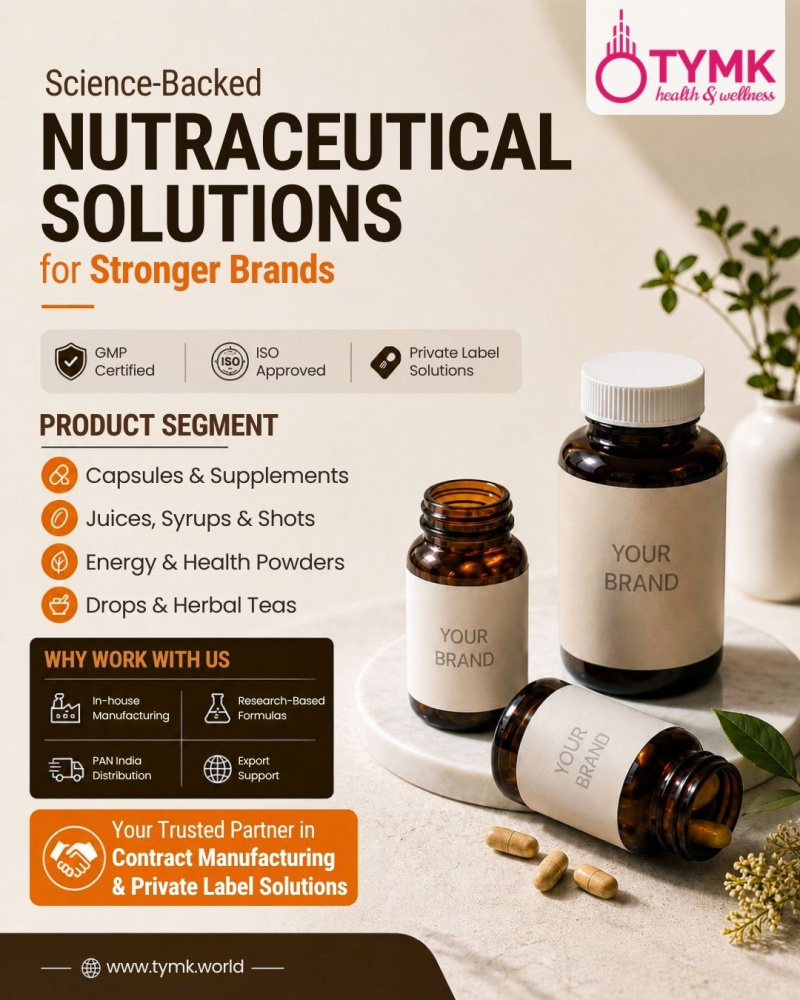
Why Choose https://tymk.world/ for Shampoo Manufacturing
✔ What is tymkworld?
It’s a platform designed to help people start their own product-based brands without handling manufacturing directly.
✔ What They Offer
- Private label manufacturing
- Custom product development
- Packaging assistance
- Brand support
✔ Why People Choose Them
- Easier entry for beginners
- Lower upfront investment
- Faster launch timelines
- Scalable setup
✔ Real Benefit
Instead of investing heavily up front, you can test your idea first.
That flexibility matters more than most people think.
❓ FAQs
Q1. Can I start without a factory?
Yes, that’s the whole point of private label.
Q2. What’s the minimum order?
Usually 500–2000 units.
Q3. Is a custom formula required?
No. Start simple.
Q4. How long does it take?
Around 2–6 weeks.
Conclusion
The shampoo manufacturing process for private label brands is straightforward once you stop overthinking it.
You don’t need:
- A factory
- Complex setups
You need:
- A product that sells
- Branding that stands out
- Consistent marketing
Start small. Test quickly—scale only when it works.