Private Label vs OEM vs Contract Manufacturing
Private Label vs OEM vs Contract Manufacturing
Private Label vs OEM vs Contract Manufacturing explained in simple terms. Choose the right cosmetic manufacturer for your brand.
Private Label vs OEM vs Contract Manufacturing Explained
📌 Table of Contents
- Introduction
- Quick Answer
- Why This Decision Matters
- About TYMK
- Private Label
- OEM
- Contract Manufacturing
- Comparison
- How to Choose
- FAQs
- Conclusion
Introduction
Starting a brand looks exciting from the outside.
Logo, packaging, Instagram page… everything feels like progress.
But the real decision usually comes later—
Who is going to manufacture your product?
That’s where most people get stuck.
You’ll hear terms like private label, OEM, and contract manufacturing.
At first, they sound almost the same. They’re not.
And choosing the wrong cosmetic manufacturer doesn’t hurt immediately…
It shows up later—in quality issues, delays, or low margins.
So let’s make this simple.
⭐ Quick Answer
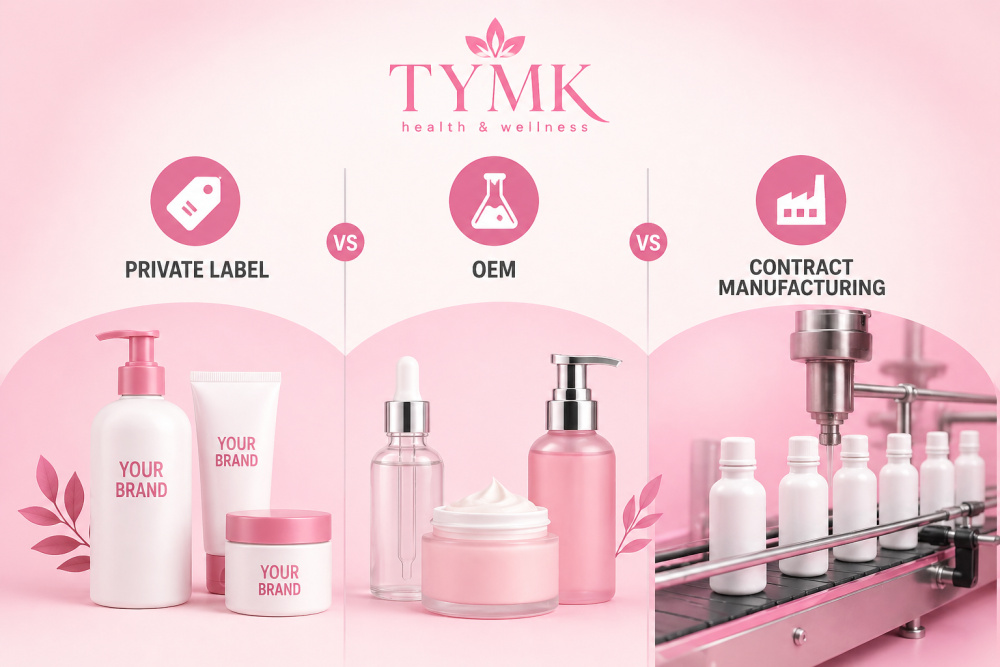
- Private Label → ready-made product, your branding
- OEM → custom product, built from your idea
- Contract Manufacturing → everything handled by the manufacturer
That’s the core difference. The rest depends on your goals.
Why This Decision Matters (In Real Terms)
People usually think manufacturing is just “production.”
It’s not.
Your cosmetic manufacturer directly affects:
- how your product performs
- whether customers reorder
- how easily you scale
For example, a cheap third-party cosmetic manufacturer might help you save money in the beginning. But if consistency is off, customers won’t come back.
And that’s where most brands quietly fail.
About TYMK (Simple, No Hype)
If you're looking for a cosmetic manufacturer in India for startups, TYMK Health & Wellness is one option many brands explore.
They work across:
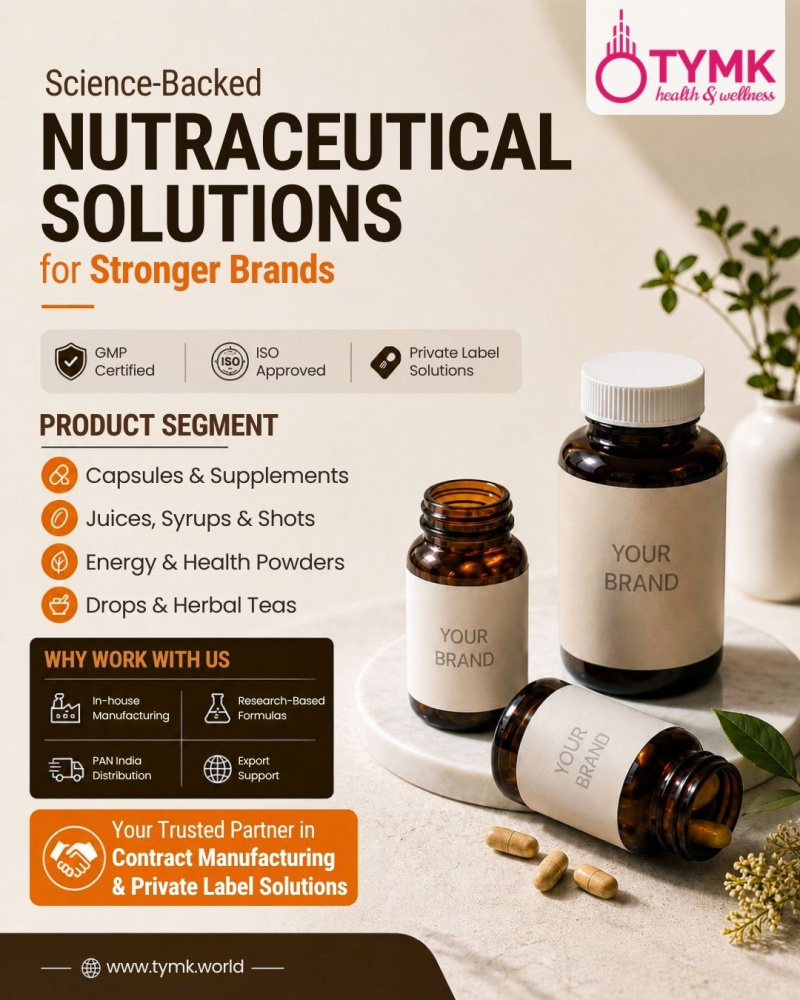
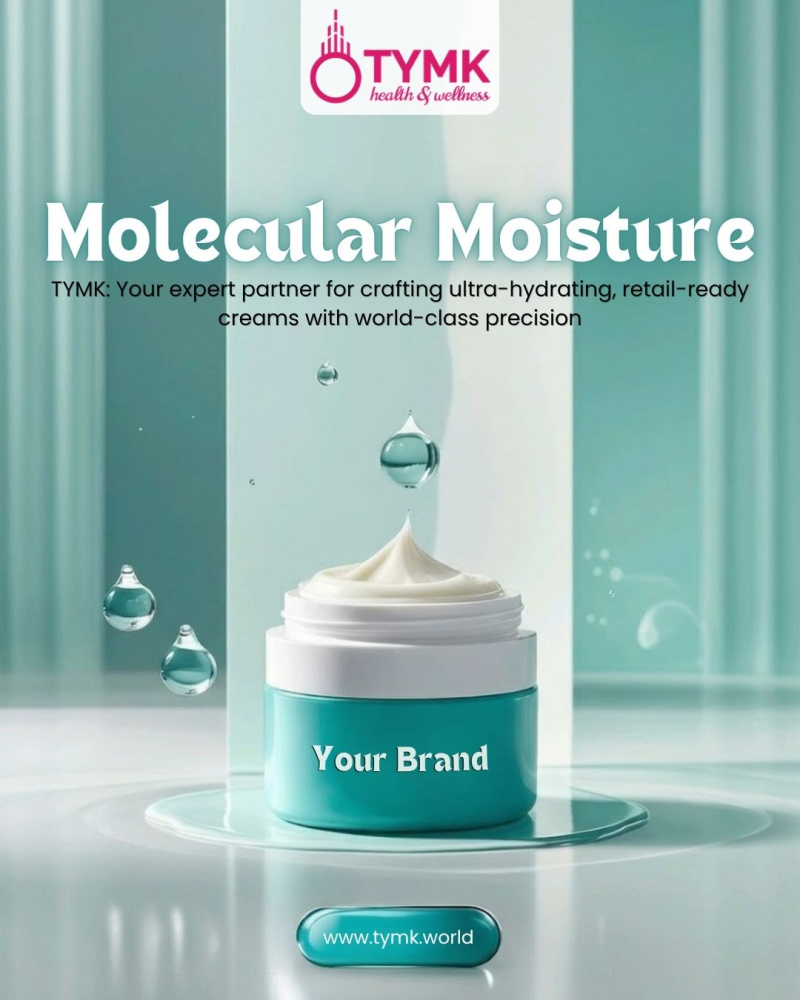
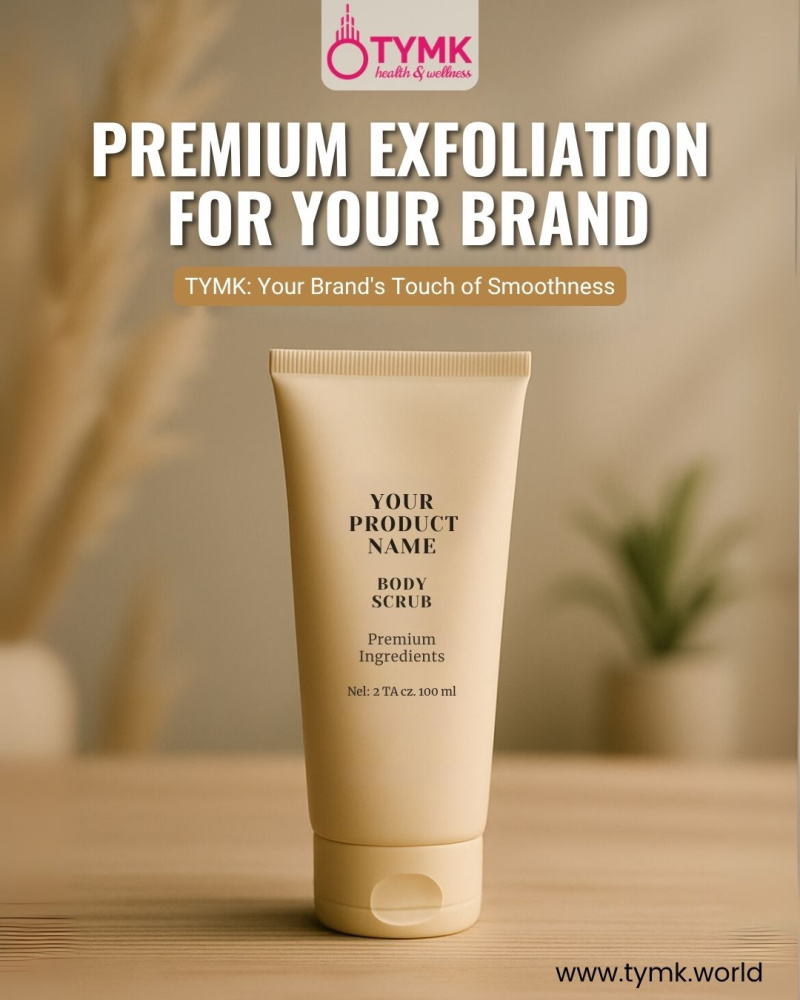
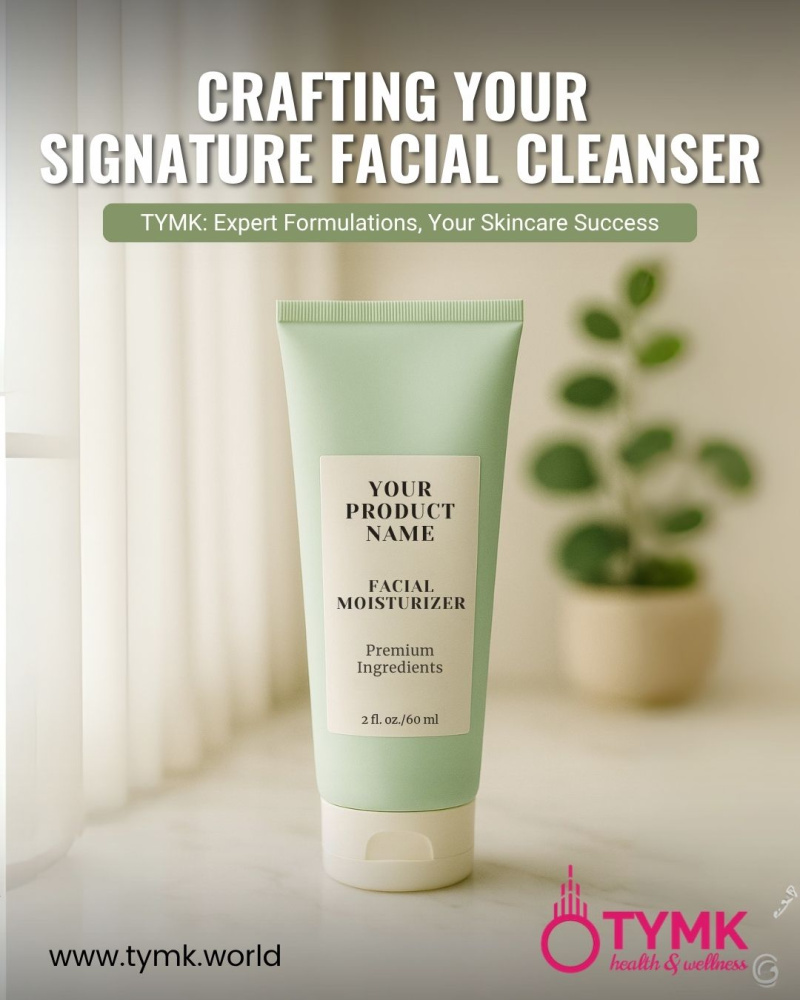
- Private Label Cosmetic Manufacturer
- OEM Cosmetic Manufacturer
- Cosmetic Contract Manufacturer
And they handle categories like:
- skincare
- haircare
- ayurvedic products
- nutraceuticals
- perfumes
- baby care
In simple words, they help you turn an idea into a sellable product.
Why Some Brands Go With TYMK
Not for marketing reasons. For practical ones:
- You don’t need your own factory
- You can start small
- ready formulas are available
- Custom development is possible later
They also follow compliance aligned with the Central Drugs Standard Control Organization, which matters if you want to sell properly in India.
You can check their details here: https://tymk.world/
How the Process Usually Works
Nothing complicated:
- You explain your product idea
- choose:
- ready product (private label)
- or custom (OEM)
- You receive samples
- You finalize the packaging
- production starts
- delivery
That’s the actual workflow.
1. Private Label (Fastest Entry)
This is where most beginners start.
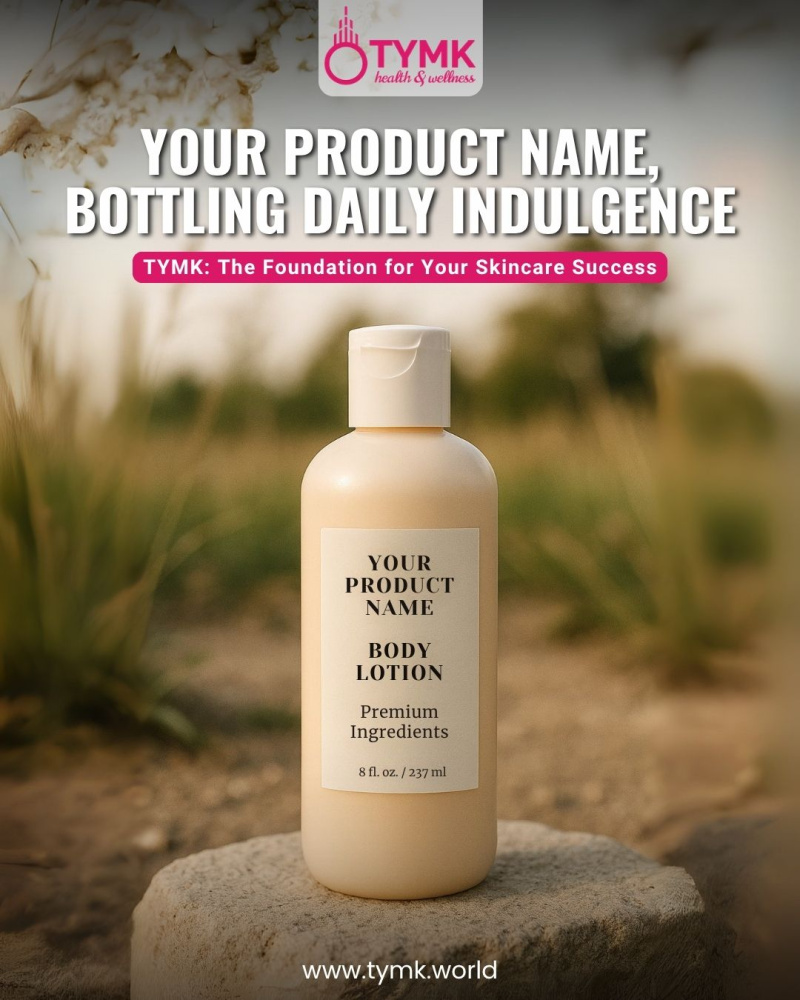
A private label cosmetic manufacturer already has products ready.
You just brand them.
Works well if:
- You want to launch quickly
- The budget is limited
Example:
Selling a face serum under your brand, but using an existing formula.
2. OEM (Build Something Different)
OEM is for people who don’t want a common product.
An OEM cosmetic manufacturer develops something based on your idea.
Works well if:
- You want uniqueness
- You’re thinking long-term
Example:
Custom herbal shampoo with your own formulation.
3. Contract Manufacturing (Scaling Phase)
At this stage, you don’t want to manage production.
A cosmetic contract manufacturer handles everything—from formulation to packaging.
Works well if:
- you’re scaling
- You want less operational work
📊 Comparison (Straight to the Point)
| Factor | Private Label | OEM | Contract |
|---|---|---|---|
| Speed | Fast | Slow | Medium |
| Cost | Low | High | Medium |
| Control | Low | High | Medium |
| Best Stage | Beginner | Brand Building | Growth |
How to Choose (Keep It Simple)
Don’t overcomplicate:
- want to start fast → Private Label
- want something unique → OEM
- want to scale → Contract Manufacturing
Also:
- always test samples
- check certifications
- Don’t ignore agreements
For regulations, you can refer to https://cdsco.gov.in to understand compliance requirements.
FAQs
Which is best for beginners?
Private label. It’s the easiest way to start.
Is OEM expensive?
Yes, compared to private label, but it gives uniqueness.
Can I change later?
Yes. Many brands start simple and then upgrade.
What does a third- party cosmetic manufacturer do?
They produce your product so you can focus on branding and sales.
Conclusion
There’s no “perfect” option here.
It depends on where you are:
- starting → keep it simple
- building → go custom
- scaling → outsource smartly
Most successful brands don’t try to do everything themselves.
They focus on growth—and let the right cosmetic manufacturer handle production.