Private Label Cosmetic Manufacturer: Launch Your Own Beauty Brand with Trusted Experts
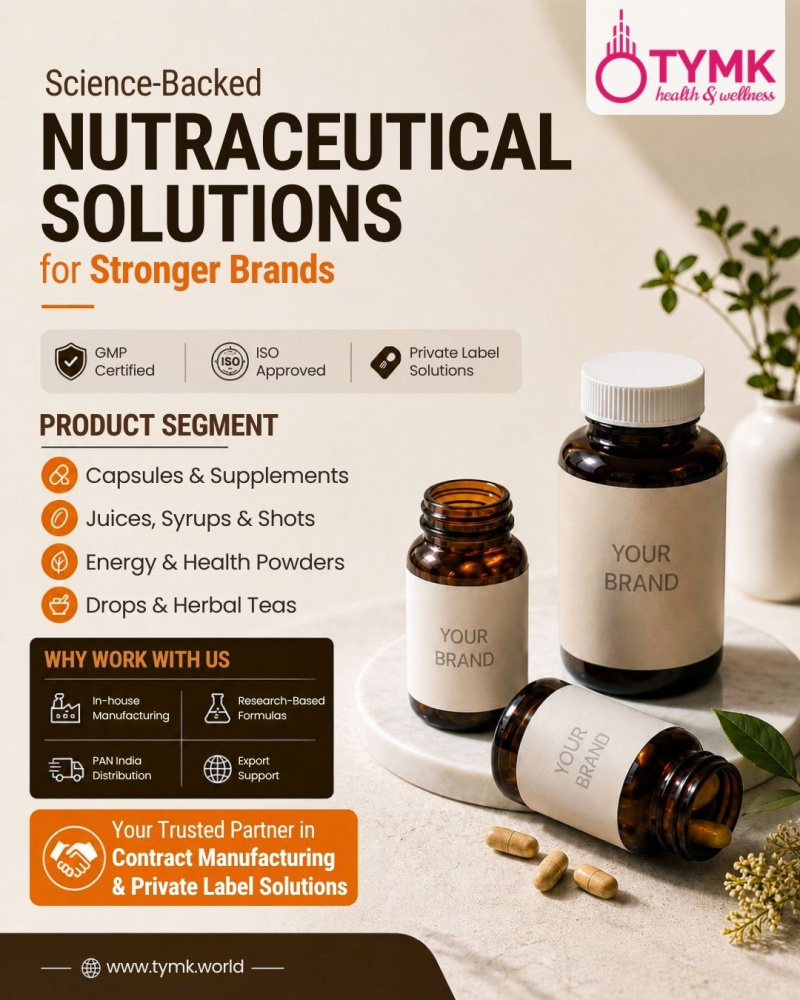
The global beauty and personal care industry is growing rapidly, and many entrepreneurs are entering the market with their own cosmetic brands. However, manufacturing cosmetic products from scratch requires advanced infrastructure, research expertise, and regulatory compliance. This is where a private label cosmetic manufacturer plays a crucial role Best Private Label Cosmetic .
Find the Right Category for Your Brand
Choose your product line and start building with TYMK.
See Product Details
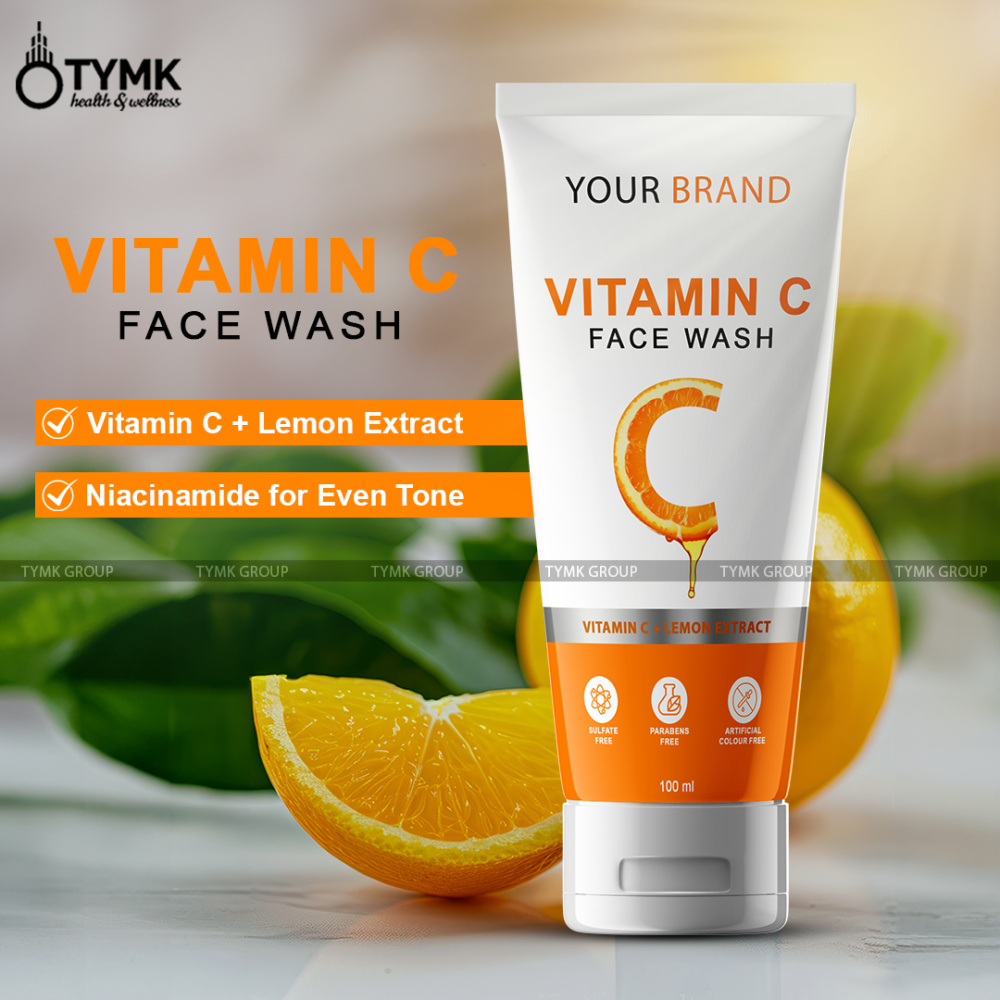


A private label partner helps businesses create and launch high-quality cosmetic products under their own brand name without investing in a manufacturing facility. Whether you want to start a skincare line, herbal beauty products, hair care solutions, or luxury cosmetics, working with an experienced manufacturer can simplify the entire process.
In this article, we will explore how private label cosmetic manufacturing works, its benefits, the types of products you can develop, and how to choose the right manufacturing partner for your brand.
What is a private label cosmetic manufacturer?
A private label cosmetic manufacturer is a company that produces beauty and personal care products that other businesses sell under their own brand names.
Instead of developing formulas, sourcing ingredients, and setting up production units, brands can collaborate with manufacturers who already have:
-
Advanced manufacturing facilities
-
Experienced cosmetic chemists
-
Quality control systems
-
Product formulation expertise
-
Regulatory compliance knowledge
These manufacturers allow businesses to focus on branding, marketing, and sales while they handle product development and production.
Private labeling is especially beneficial for startups, salons, beauty influencers, and entrepreneurs who want to launch their own cosmetic brand quickly.
Why Choose Private Label Cosmetic Manufacturing?
Starting a cosmetic manufacturing unit requires significant investment, skilled professionals, and strict compliance with cosmetic regulations. Private labeling eliminates these challenges and offers several advantages.
1. Faster Market Entry
Private label manufacturers already have tested formulations and production facilities. This allows brands to launch products in the market much faster compared to developing everything from scratch.
2. Cost-Effective Solution
Setting up a cosmetic factory involves high capital investment. By partnering with a manufacturer, businesses can save on infrastructure, machinery, and R&D costs.
3. Professional Product Development
Experienced cosmetic manufacturers employ skilled chemists who create safe, effective, and innovative formulations that meet market demand.
4. Custom Branding Options
Businesses can customize product packaging, labeling, and branding according to their market strategy.
5. Quality Assurance
Reliable manufacturers follow strict quality control procedures to ensure that every product meets safety and performance standards.
Types of Cosmetic Products You Can Launch
A reputable private label manufacturer can produce a wide range of beauty and personal care products.
Skincare Products
Skincare is one of the fastest-growing segments in the cosmetic industry. Private label manufacturers offer various skincare formulations, including:
-
Face creams
-
Serums
-
Face washes
-
Moisturizers
-
Sunscreens
-
Anti-aging creams
These products can be customized for different skin types such as oily, dry, sensitive, or combination skin.
Hair Care Products
Hair care products are always in demand, making them a popular choice for new cosmetic brands. Manufacturers provide formulations for:
-
Hair oils
-
Shampoos
-
Conditioners
-
Hair serums
-
Hair masks
Many brands also prefer herbal and natural hair care products, which are gaining popularity in the beauty market.
Herbal and Natural Cosmetics
Consumers today are more conscious about ingredients used in cosmetic products. Herbal and natural formulations are becoming increasingly popular.
Manufacturers can create products using natural extracts such as the following:
-
Aloe vera
-
Neem
-
Turmeric
-
Tea tree oil
-
Argan oil
These products appeal to customers looking for chemical-free beauty solutions.
Body Care Products
Body care products are essential in daily personal care routines. A private label manufacturer can produce items such as the following:
-
Body lotions
-
Body butters
-
Shower gels
-
Scrubs
-
Bath oils
These products can be customized with unique fragrances and ingredients to match your brand identity.
Luxury Cosmetic Products
Premium cosmetic brands often require high-quality ingredients, elegant packaging, and specialized formulations.
Manufacturers can create luxury cosmetic products such as the following:
-
Premium skincare serums
-
Advanced anti-aging creams
-
Organic skincare collections
-
Spa and salon products
These products help brands target high-end customers in the beauty industry.
The Private Label Cosmetic Manufacturing Process
Launching a cosmetic product through a private label manufacturer usually involves several important steps.
1. Product Concept and Planning
The first step is to define your product idea. This includes selecting the product type, target audience, ingredients, and brand positioning.
2. Formula Development
Cosmetic chemists create formulations based on your requirements. Some manufacturers also provide ready-to-use formulations that can be customized.
3. Sample Testing
Before mass production begins, product samples are developed and tested for quality, stability, and performance.
4. Packaging and Branding
Manufacturers often assist in selecting packaging materials, designing labels, and ensuring that packaging meets regulatory requirements.
5. Production and Quality Control
Once the final formulation is approved, the manufacturing process begins under strict quality control standards.
6. Delivery and Distribution
Finished products are packaged and delivered to the brand owner, ready for marketing and distribution.
How to Choose the Right Private Label Cosmetic Manufacturer
Selecting the right manufacturing partner is crucial for the success of your cosmetic brand.
Here are some factors you should consider.
Experience and Industry Expertise
Look for manufacturers with extensive experience in cosmetic product development and manufacturing.
Certifications and Compliance
Ensure the manufacturer follows proper industry standards and certifications such as GMP (Good Manufacturing Practices).
Product Customization Options
A good manufacturer should offer flexibility in formulations, ingredients, fragrances, and packaging.
Research and Development Support
Manufacturers with strong R&D teams can help create innovative products that stand out in the market.
Quality Assurance
Check whether the manufacturer follows strict quality control processes to maintain product consistency and safety.
Future of Private Label Cosmetics
The demand for private label cosmetic manufacturing is growing rapidly as more entrepreneurs enter the beauty industry.
Several trends are shaping the future of this industry, including:
-
Organic and natural cosmetic products
-
Sustainable packaging solutions
-
Vegan and cruelty-free cosmetics
-
Personalized beauty products
Brands that focus on quality, innovation, and customer needs can achieve significant success in this competitive market.
Working with a reliable private label cosmetic manufacturer allows businesses to bring high-quality cosmetic products to market efficiently while building a strong and recognizable beauty brand.
FAQs
1. What is a private label cosmetic manufacturer?
A private label cosmetic manufacturer produces beauty and personal care products that companies sell under their own brand name without owning manufacturing facilities.
2. What types of products can be made through private label cosmetic manufacturing?
Manufacturers can produce various products, including skincare, hair care, body care, herbal cosmetics, and luxury beauty products.
3. Is private label cosmetic manufacturing suitable for startups?
Yes, it is ideal for startups because it reduces investment costs and allows entrepreneurs to launch their own cosmetic brands quickly.
4. Can I customize ingredients and packaging?
Most manufacturers provide customization options for ingredients, fragrances, packaging design, and product formulation according to brand requirements.
5. How long does it take to launch a private label cosmetic product?
The timeline depends on formulation development, packaging design, and production, but most products can be launched within a few weeks to a few months.