Personal Care Products White Label Manufacturer: Smart Way to Build Your Brand
This guide explains how a Personal Care Products White Label Manufacturer helps brands launch skincare, haircare, hygiene, and wellness products quickly with lower investment. Learn the process, benefits, business models, and how TYMK supports growing brands with customized manufacturing solutions.
Personal Care Products White Label Manufacturer: Complete Business Guide
Not long ago, starting a personal care brand meant spending heavily on machinery, product development, testing, and production management.
For smaller businesses, that usually creates two choices — either delay the idea completely or enter the market with limited products.
Things have changed.
A large number of modern skincare and wellness brands now operate differently. They build the brand first and leave manufacturing to experienced production partners. That is where a Personal Care Products White Label Manufacturer becomes important.
The manufacturer already has formulations, production systems, and packaging support ready. Businesses simply select products, customize branding, and launch them into the market.
Sounds simple on paper, but the real advantage is speed.
Instead of waiting months for product development, brands can focus on building visibility, improving packaging, and reaching customers earlier.
And honestly, in industries like beauty and personal care, timing often matters more than people expect.
Table of Contents
| No. | Topics |
|---|---|
| 1 | Understanding White Label Manufacturing |
| 2 | Why Businesses Prefer This Model |
| 3 | How the Process Works |
| 4 | Product Categories |
| 5 | Who Usually Uses White Label Services |
| 6 | White Label vs OEM vs Private Label |
| 7 | Real-World Brand Example |
| 8 | Why Businesses Work With TYMK |
| 9 | Featured Snippet |
| 10 | FAQs |
| 11 | Conclusion |
What is a Personal Care Products White Label Manufacturer?
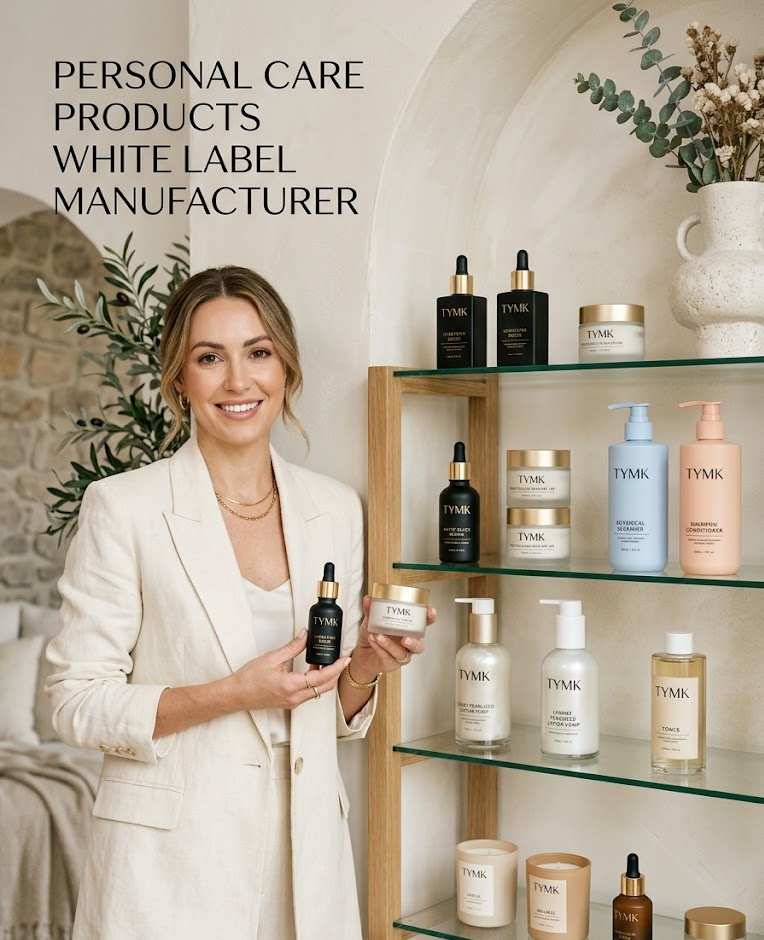
A Personal Care Products White Label Manufacturer produces ready-made personal care products that businesses sell under their own branding.
The formulas are generally already developed and production-ready. Businesses mainly customize the label design, packaging appearance, and brand identity before the products go to market.
This approach is common across categories like:
- Face wash
- Shampoo
- Hair oil
- Face serum
- Soap
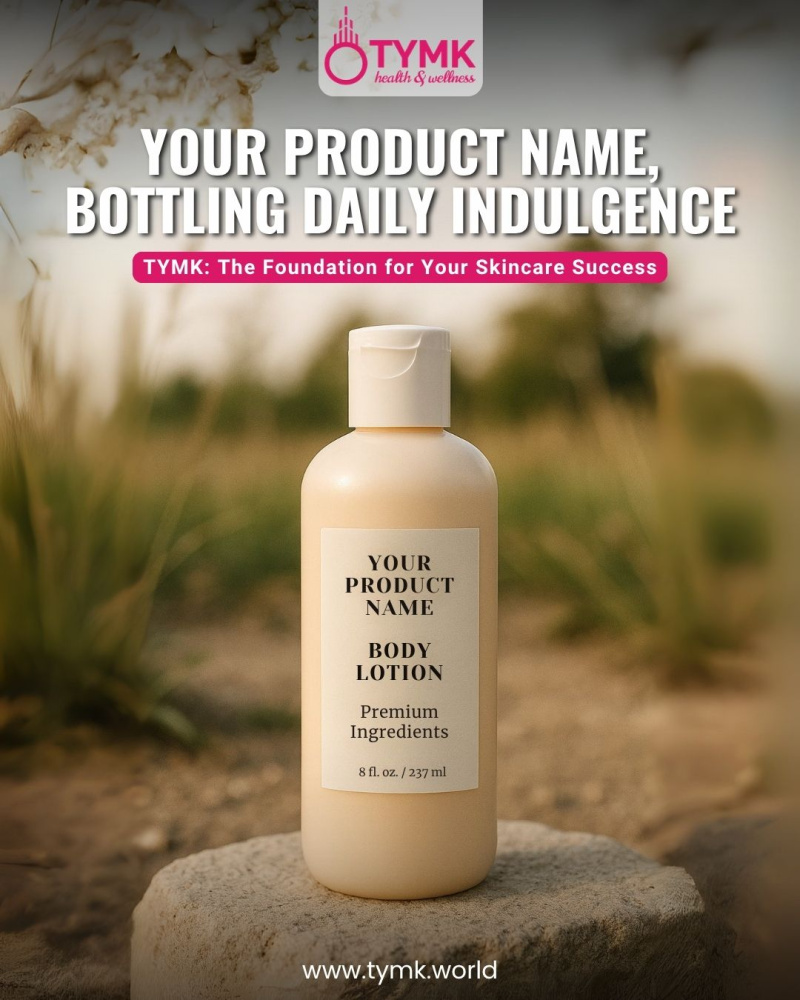
- Body lotion
- Herbal wellness products
- Baby care products
In practical terms, businesses avoid the difficult part of manufacturing while still building a recognizable product brand.
Featured Snippet
A Personal Care Products White Label Manufacturer develops ready-made skincare, wellness, haircare, and hygiene products that businesses can sell using their own brand identity. This model reduces manufacturing complexity, lowers investment costs, and helps companies launch products faster. TYMK supports brands with scalable white-label manufacturing solutions.
Why Businesses Choose White Label Manufacturing
Most people entering the beauty industry focus heavily on branding and marketing at the beginning.
Then production starts.
That is usually when delays, inventory issues, packaging coordination, and consistency problems begin showing up.
White-label manufacturing removes a large portion of those operational challenges.
Main Advantages
| Benefit | Why Businesses Like It |
|---|---|
| Faster Launch | Products enter the market sooner |
| Lower Setup Cost | No factory investment needed |
| Easier Operations | Manufacturing handled externally |
| Better Scalability | Production grows with demand |
| Reduced Product Risk | Existing formulations have already been tested |
| More Time for Branding | Teams focus on growth and sales |
One thing many new businesses discover late is that manufacturing itself can consume most of the company’s time if not managed properly.
That is one reason outsourcing production has become common, especially among online-first brands.
How Does White Label Manufacturing Work?
The process usually starts with selecting existing formulations from the manufacturer’s product range.
After that, businesses customize branding elements before production begins.
Typical Process
| Step | Process |
|---|---|
| 1 | Select product category |
| 2 | Choose an available formulation |
| 3 | Finalize packaging style |
| 4 | Add logo and branding |
| 5 | Production and filling |
| 6 | Quality inspection |
| 7 | Delivery and launch |
Some manufacturing partners also assist with packaging ideas and compliance guidance, which becomes useful for first-time businesses.
Types of Products Commonly Manufactured
Personal care manufacturing covers several categories, and demand continues growing across both premium and affordable product segments.
Common Product Segments
| Category | Examples |
|---|---|
| Skin Care | Face wash, creams, serums |
| Hair Care | Shampoo, conditioner, oils |
| Oral Care | Toothpaste, mouthwash |
| Bath Products | Soap, body scrub |
| Baby Care | Baby lotion, shampoo |
| Herbal Wellness | Ayurvedic oils and creams |
| Men’s Grooming | Beard oil, cleanser |
Interestingly, herbal-positioned products have become especially popular among younger consumers looking for cleaner and simpler ingredient-based branding.
When Should Businesses Use White Label Manufacturing?
White-label manufacturing works best when businesses need quicker market entry without spending heavily on infrastructure.
Common Situations
- Launching a skincare startup
- Starting an online beauty brand
- Expanding salon product ranges
- Testing a product category
- Selling through marketplaces
- Creating influencer-led beauty products
For example, several small D2C skincare brands today focus entirely on social media growth while manufacturing stays outsourced to production partners.
That setup helps them remain flexible during early growth stages.
Who Should Choose White Label Services?
Best suited for
| Business Type | Main Advantage |
|---|---|
| Startups | Lower business risk |
| eCommerce Brands | Faster product launches |
| Salons & Clinics | Custom-branded inventory |
| Retail Businesses | Product range expansion |
| Wellness Companies | Easier diversification |
| MLM Businesses | Scalable product supply |
Owning a factory is not always necessary to build a successful personal care brand. In many cases, brand trust and customer experience matter far more.
White Label vs Private Label vs OEM
| Manufacturing Model | Best For | Customization Level |
|---|---|
| White Label | Fast launches | Basic |
| Private Label | Unique branding | Medium |
| OEM | Fully custom products | High |
Quick Explanation
- White Label is usually the fastest route to market
- Private Label allows more brand-specific customization
- OEM Manufacturing offers full formulation control
Many companies begin with white label products before shifting toward OEM manufacturing later.
Real-World Example
A small online skincare business launched with just three products — shampoo, body lotion, and herbal face wash.
The founders initially considered setting up small-scale manufacturing, but production costs quickly became unrealistic.
Instead, they partnered with a white label manufacturer and redirected their budget toward packaging quality, photography, and influencer marketing.
Within months, the brand expanded into marketplaces because manufacturing consistency and inventory handling were already managed professionally.
That approach is becoming increasingly common across beauty startups.
Why Businesses Choose TYMK
A manufacturing partner influences much more than production capacity. Product consistency, packaging quality, and delivery timelines all affect customer trust.
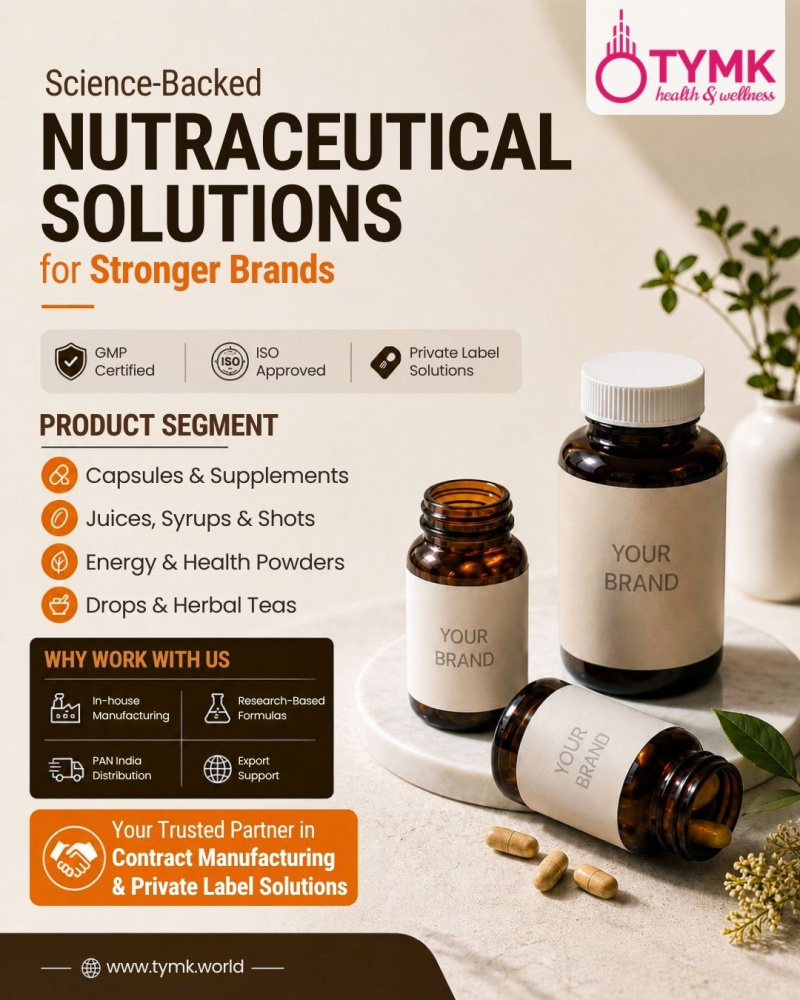
TYMK supports brands with:
- Multiple personal care product categories
- Flexible manufacturing support
- Startup-friendly production solutions
- Packaging and labeling assistance
- Quality-focused systems
- Scalable order management
- Consistent production processes
Rather than overcomplicating manufacturing, TYMK focuses on helping businesses simplify operations and scale gradually.
What does a Personal Care Products White Label Manufacturer do?
A Personal Care Products White Label Manufacturer creates ready-made products that businesses can sell under their own branding. TYMK supports businesses with scalable manufacturing solutions.
Is white label manufacturing suitable for startups?
Yes. It lowers operational costs and helps startups launch products more quickly.
Which products are included in personal care manufacturing?
Skincare, haircare, oral care, wellness, grooming, and baby care products are commonly included.
Is OEM better than white label manufacturing?
OEM offers greater customization, while white label manufacturing is usually faster and easier for newer businesses.
How long does product manufacturing take?
Timelines depend on packaging, product type, and order quantity.
FAQs
What is white label manufacturing?
White label manufacturing means one company produces products that another business sells using its own branding.
Can startups use white-label services?
Yes. Many startups prefer this model because it reduces operational complexity.
Are white label products customizable?
Basic customization like labels, packaging, and fragrance selection, is generally available.
Which industries use personal care manufacturing?
Beauty, wellness, salon, skincare, and healthcare businesses commonly use these services.
Why do brands work with TYMK?
TYMK supports businesses with scalable production systems and multiple personal care product categories.
Conclusion
The personal care industry continues to grow across skincare, wellness, haircare, and hygiene categories. For many businesses, partnering with a trusted Personal Care Products White Label Manufacturer is one of the easiest ways to launch products without handling manufacturing internally.
White label manufacturing allows brands to focus more on customer experience, marketing, and business growth while production is managed professionally behind the scenes.
Businesses looking for scalable manufacturing support can explore solutions offered by TYMK across personal care and wellness product categories.