OEM Toothpaste Manufacturing: Complete Industry Guide
This guide explains OEM toothpaste manufacturing, its working process, and practical applications in FMCG brand building. It also highlights who should use it and why it plays a key role in scaling personal care businesses. The focus is on real-world usage, benefits, and market relevance.
OEM Toothpaste Manufacturing: Complete Industry Guide
Introduction (Hook)
Most toothpaste brands you see on shelves are not actually manufactured by the company selling them. Behind them is a full ecosystem of OEM and contract manufacturers handling formulation, production, and packaging.
OEM toothpaste manufacturing has become one of the fastest ways for startups, MLM companies, and FMCG brands to enter the oral care market without setting up factories. The demand is rising because businesses want speed, compliance, and lower investment risk while building their own brand identity.
What is OEM Toothpaste?
OEM Toothpaste refers to Original Equipment Manufacturer-based toothpaste production, where a manufacturing company produces toothpaste according to another brand’s specifications.
In simple terms:
- Manufacturer makes the product
- Brand sells it under its own name
- Formulation, packaging, and compliance are handled by the OEM partner
This model is widely used in private label and white label FMCG businesses.
Why is OEM Toothpaste Important?
OEM toothpaste manufacturing plays a critical role in modern FMCG growth because:
- It reduces setup cost for new brands
- Ensures regulatory compliance and safety standards
- Speeds up product launch time
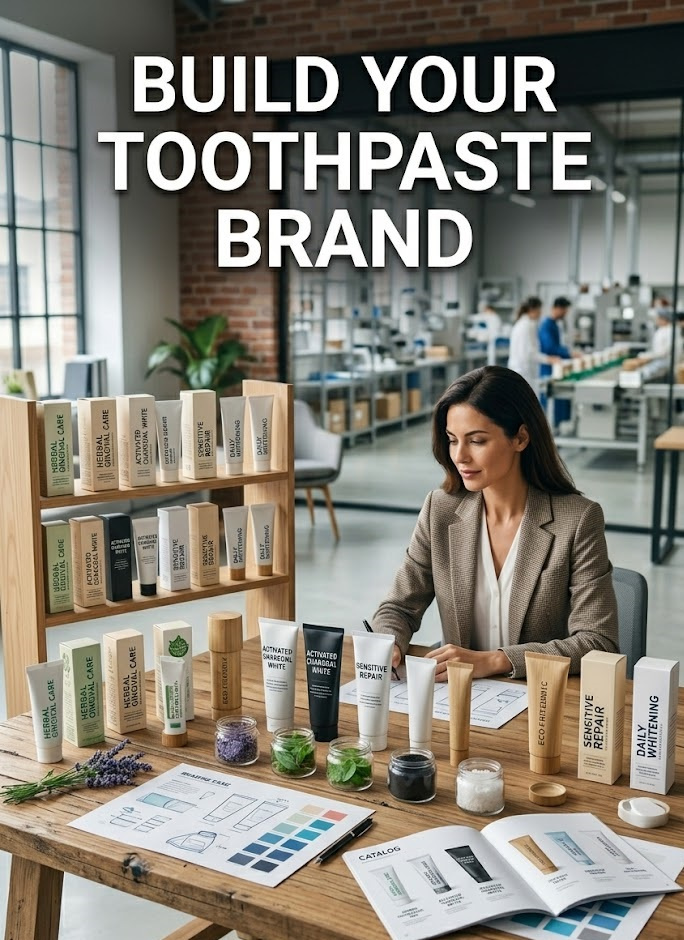
- Enables customization (herbal, whitening, charcoal, sensitive care)
- Supports scalable production for MLM and retail networks
In real-world terms, most emerging oral care startups cannot survive without OEM support because factory setup alone is expensive and time-consuming.
How Does OEM Toothpaste Manufacturing Work?
Step-by-step process:
- Requirement Discussion
- Brand defines product type (herbal, whitening, etc.)
- Formula Development
- Manufacturer prepares base formulation
- Sample Testing
- Brand approves texture, taste, and performance
- Bulk Production
- Large-scale manufacturing begins
- Packaging & Branding
- Custom tubes, boxes, and labeling applied
- Quality Testing
- Safety and compliance checks completed
- Dispatch
- Product shipped to brand warehouse or distributor
When Should You Use OEM Toothpaste?
OEM toothpaste is suitable when:
- You want to start a toothpaste brand quickly
- You don’t have manufacturing infrastructure
- You are launching MLM or direct selling products
- You want multiple product variants under one brand
- You are expanding an existing FMCG portfolio
Who Should Choose OEM Toothpaste?
Ideal users include:
- Startups entering oral care industry
- MLM and network marketing companies
- Cosmetic and personal care brands
- Export-focused FMCG businesses
- Distributors planning private label brands
Which Option is Best? (Comparison Table)
| Model | Cost | Control | Speed | Best For |
|---|---|---|---|---|
| OEM Toothpaste | Medium | High | Fast | Brand owners |
| Contract Manufacturing | Medium | Medium | Fast | Bulk production |
| White Label | Low | Low | Very Fast | Quick market entry |
| Private Label | Medium | High | Fast | Long-term branding |
Brand Integration: Why Choose Face Serum Private Label Manufacturer?
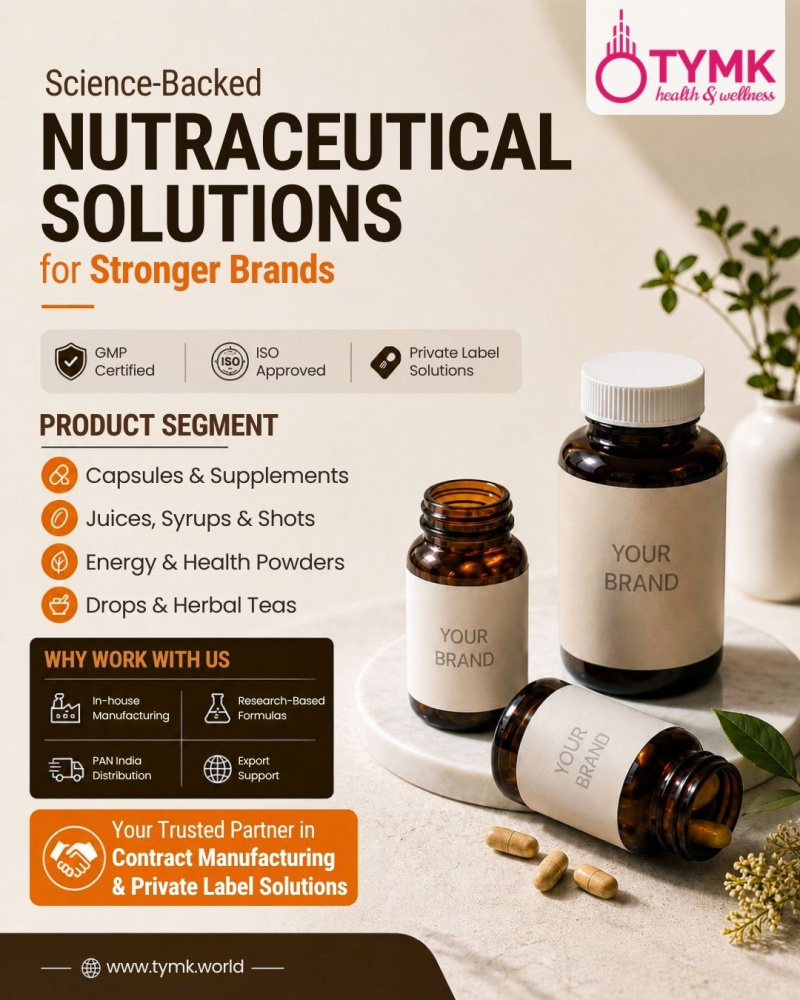
Companies like Face Serum Private Label Manufacturer (multi-category FMCG manufacturers) show how diversified production ecosystems work. These manufacturers often extend services beyond skincare into oral care, hair care, and herbal product lines.
Key trust factors include:
- Multi-category production capability
- GMP/ISO-compliant facilities
- Scalable production systems
- Custom formulation support
- Export-ready manufacturing standards
This kind of integrated manufacturing support helps brands expand faster without switching vendors repeatedly.
Featured Snippet (40–60 words)
OEM toothpaste manufacturing is a process where a third-party manufacturer produces toothpaste under a brand’s name. The brand defines the formula and packaging, while the manufacturer handles production, quality control, and compliance. This model helps companies launch oral care products quickly with lower investment and high customization flexibility.
Real-World Example
A small FMCG startup in India wanted to launch herbal toothpaste but had no factory setup. By partnering with an OEM manufacturer, they launched three variants in under 90 days. Within six months, they expanded into retail chains and MLM distribution networks, scaling without owning manufacturing assets.
Featured Table: Toothpaste Variants in OEM
| Variant | Key Benefit | Market Demand |
|---|---|---|
| Herbal Toothpaste | Natural care | High |
| Whitening Toothpaste | Cosmetic appeal | Very High |
| Charcoal Toothpaste | Deep cleaning | Growing |
| Sensitive Care | Gum protection | Stable |
FAQs (People Also Ask)
1. What is OEM toothpaste manufacturing?
OEM toothpaste manufacturing means producing toothpaste through a third-party factory and selling it under your brand name.
2. Is OEM toothpaste business profitable?
Yes, it is profitable due to low setup cost, scalable production, and high FMCG demand.
3. How long does it take to launch OEM toothpaste?
On average, 30–90 days depending on formulation and packaging approval.
4. What is the difference between OEM and white label toothpaste?
OEM allows customization, while white label uses ready-made formulas with branding changes.
5. Who can start OEM toothpaste business?
Startups, MLM companies, FMCG brands, and distributors can all enter this segment.
Conclusion + CTA
OEM toothpaste manufacturing is one of the most efficient ways to build a personal care brand without heavy infrastructure investment. It provides flexibility, scalability, and faster market entry.
If you are planning to launch a toothpaste or oral care brand, OEM manufacturing is a practical starting point.
Explore solutions, request samples, or connect with manufacturing partners to begin your product journey today.