OEM Colour Cosmetics: Complete Manufacturing Guide for Beauty Brands
OEM Colour Cosmetics manufacturing helps beauty brands launch custom makeup products without building their own factory. This guide explains the process, benefits, private labeling options, branding strategies, and how TYMK supports growing cosmetic businesses.
OEM Colour Cosmetics: Complete Manufacturing Guide for Beauty Brands
Table of Contents
- What is OEM Colour Cosmetics?
- Why OEM Colour Cosmetics is Growing Fast
- How OEM Colour Cosmetics Manufacturing Works
- Types of Colour Cosmetics Products
- Who Should Choose OEM Manufacturing?
- OEM vs Private Label vs White Label Cosmetics
- Real Business Example
- Why Brands Prefer TYMK
- Featured Snippet
- FAQs
- Conclusion
OEM Colour Cosmetics: The Smartest Way to Build a Beauty Brand
Starting a cosmetic brand sounds exciting until you realise how expensive product development, manufacturing units, testing, packaging, and compliance can become. Most new beauty entrepreneurs face the same problem: they have a strong idea but no production setup.
That’s where OEM Colour Cosmetics manufacturing changes the game.
Instead of building a factory, beauty brands partner with experienced manufacturers who already have formulations, production systems, packaging networks, and quality testing processes in place. This helps brands launch products faster with lower investment and reduced risk.
Now here’s the important part…
Consumers today don’t just buy makeup products. They buy branding, experience, ingredients, texture, and trust. So choosing the right OEM Colour Cosmetics manufacturer becomes one of the biggest business decisions for any beauty startup or growing cosmetic company.
What is OEM Colour Cosmetics?
OEM Colour Cosmetics means Original Equipment Manufacturer cosmetics. In simple terms, a manufacturer produces makeup products for another company that sells them under its own brand name.
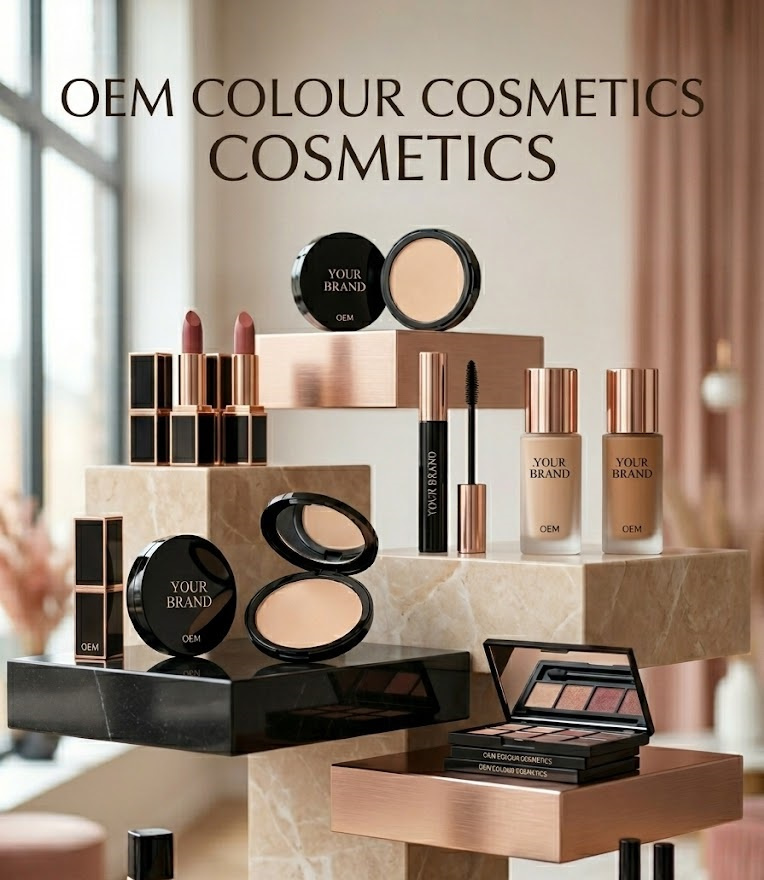
These products can include:
| Product Category | Examples |
|---|---|
| Lip Products | Lipstick, lip gloss, lip tint |
| Face Products | Foundation, compact, blush |
| Eye Makeup | Kajal, eyeliner, mascara |
| Skin Makeup | BB cream, concealer |
| Trend Cosmetics | Highlighter, contour kits |
An OEM Colour Cosmetics manufacturer handles formulation, production, filling, packaging, testing, and sometimes even design support.
This model is widely used by:
- Beauty startups
- Influencer brands
- Salon chains
- E-commerce cosmetic sellers
- International cosmetic distributors
Why OEM Colour Cosmetics is Growing Fast
The cosmetic industry has changed dramatically in the last few years.
Earlier, only large companies could afford cosmetic manufacturing. Today, even small businesses can launch makeup brands because OEM manufacturing makes production accessible.
Most people don’t realise this, but many popular online beauty brands don’t own factories at all. They focus mainly on branding, marketing, and customer experience while manufacturers handle production.
Major Reasons Behind Growth
1. Lower Startup Investment
Building a cosmetic factory requires massive capital, certifications, machinery, chemists, and compliance approvals. OEM manufacturing removes those costs.
2. Faster Product Launch
A trusted Colour Cosmetics Products Manufacturer already has tested formulations and packaging systems ready.
3. Market Trend Adaptation
Beauty trends change quickly. OEM partners help brands launch trending products faster, whether it’s matte lipstick collections or vegan foundations.
4. Easier Brand Expansion
Once a brand succeeds with one product, it can easily expand into skincare, haircare, perfumes, or baby care products.
How Does OEM Colour Cosmetics Manufacturing Work?
The process usually follows several stages.
Step 1: Product Selection
The brand chooses the type of cosmetic product they want to launch.
For example:
- Matte lipstick
- Waterproof kajal
- HD foundation
- Herbal compact powder
Step 2: Formula Discussion
The manufacturer discusses:
- Ingredients
- Shades
- Texture
- Finish
- Fragrance
- Target audience
A Customised Cosmetic Manufacturer may also create unique formulas based on market demand.
Step 3: Sampling
Samples are developed for approval. Brands test:
- Pigmentation
- Texture
- Wear time
- Packaging appearance
Step 4: Packaging & Branding
This includes:
- Logo printing
- Label design
- Product boxes
- Outer packaging
Step 5: Manufacturing & Quality Testing
Production starts after approval. Products go through:
- Stability testing
- Safety testing
- Batch inspection
Step 6: Delivery & Market Launch
Products are shipped to distributors, marketplaces, salons, or retail stores.
Types of Colour Cosmetics Products in OEM Manufacturing


| Segment | Popular Products |
|---|---|
| Lip Makeup | Lipstick, gloss, liner |
| Eye Makeup | Mascara, kajal, eyeliner |
| Face Makeup | Foundation, primer, compact |
| Professional Makeup | HD makeup kits |
| Herbal Makeup | Natural ingredient cosmetics |
Many OEM Colour Cosmetics Products manufacturers now focus on:
- Vegan cosmetics
- Sulfate-free products
- Cruelty-free formulations
- Herbal makeup products
When Should You Use OEM Colour Cosmetics?
OEM manufacturing works best when:
- You want to launch a beauty brand quickly
- You don’t own a manufacturing facility
- You want low operational risk
- You want professional-quality products
- You want scalable cosmetic production
In real-world terms, OEM manufacturing is ideal for entrepreneurs who want to focus more on brand building rather than factory management.
Who Should Choose OEM Colour Cosmetics?
Beauty Startups
Perfect for first-time founders entering the cosmetic industry.
Influencers & Creators
Many influencers now launch makeup brands using OEM manufacturing partners.
Salon Owners
Salon businesses can create their own branded cosmetics for repeat sales.
E-commerce Sellers
Amazon, Flipkart, and Shopify sellers often use Private Label Colour Cosmetics manufacturing.
International Brands
Export-focused companies prefer OEM partnerships to reduce manufacturing complexity.
OEM vs Private Label vs White Label Cosmetics
| Type | Customization Level | Best For |
|---|---|---|
| OEM Cosmetics | High | Unique brand formulas |
| Private Label Cosmetics | Medium | Brand-focused businesses |
| White Label Cosmetics | Low | Fast market launch |
A white-label cosmetic manufacturer usually offers ready-made products with simple branding changes.
OEM manufacturing offers deeper customisation in:
- Shades
- Formulations
- Ingredients
- Packaging design
Real Business Example
A small Instagram beauty seller from Mumbai started with only three lipstick shades and limited inventory. Instead of investing lakhs into machinery, the founder partnered with an OEM Colour Cosmetics manufacturer.
Within eight months:
- Product line expanded to 18 SKUs
- Sales increased through influencer marketing
- Retail partnerships started in local salons
- Repeat customers improved because of consistent quality
This is becoming common across India’s cosmetic market. Strong branding combined with reliable manufacturing often creates faster business growth than expensive infrastructure investments.
Why Brands Prefer TYMK
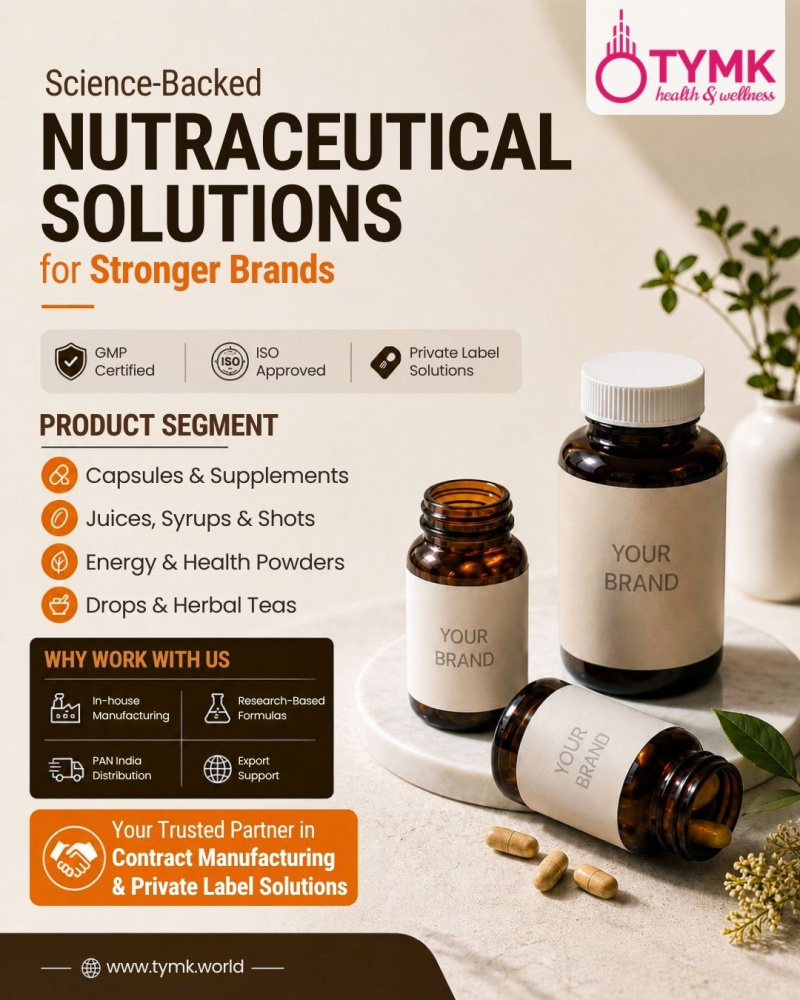
TYMK works with businesses looking for scalable cosmetic manufacturing solutions across multiple categories, including skincare, haircare, colour cosmetics, herbal products, and personal care products.
What Makes TYMK Different
| Feature | Benefit |
|---|---|
| Product Customization | Unique market positioning |
| Modern Manufacturing | Consistent product quality |
| Multiple Product Categories | Easy brand expansion |
| Packaging Support | Professional presentation |
| OEM & Private Label Solutions | Flexible business models |
TYMK also supports businesses looking for:
- OEM Colour Cosmetics
- Colour Cosmetics Products Contract Manufacturer
- White Label Cosmetic Manufacturer
- Herbal Products Contract Manufacturer
- Face Serum Private Label Manufacturer
The biggest advantage is flexibility. Brands can start small and scale production gradually based on demand.
Featured Snippet
OEM Colour Cosmetics manufacturing allows beauty brands to create and sell makeup products under their own brand name without owning a factory. The manufacturer handles formulation, production, packaging, and quality testing, helping businesses launch cosmetic brands faster and more cost-effectively. TYMK supports OEM, private label, and customised cosmetic manufacturing solutions.
Frequently Asked Questions
What is OEM Colour Cosmetics?
OEM Colour Cosmetics refers to cosmetic products manufactured by one company and sold under another company’s brand name.
Is OEM manufacturing good for startups?
Yes. It reduces investment costs, speeds up production, and allows startups to focus on branding and sales.
What products can be manufactured under OEM cosmetics?
Lipsticks, foundations, eyeliners, compact powders, mascaras, concealers, and many other makeup products.
What is the difference between OEM and white-label cosmetics?
OEM offers higher customisation, while white-label products are usually pre-developed formulas with basic branding changes.
How long does cosmetic manufacturing take?
Depending on product complexity and packaging requirements, production can take a few weeks to a few months.
Why do brands choose TYMK for cosmetic manufacturing?
TYMK offers flexible OEM solutions, product customisation, packaging support, and manufacturing expertise across multiple cosmetic categories.
For cosmetic safety regulations and standards reference:
U.S. Food & Drug Administration Cosmetics Guide
Conclusion
OEM Colour Cosmetics manufacturing has become one of the fastest ways to build a scalable beauty business. Instead of spending heavily on infrastructure, brands can focus on marketing, customer experience, and product positioning while experienced manufacturers handle production.
Whether you are launching a startup makeup line, expanding a salon business, or building an online beauty brand, partnering with the right Colour Cosmetics Products Manufacturer can significantly reduce risk and improve speed to market.
TYMK supports businesses looking for OEM, private label, and customised cosmetic manufacturing solutions across multiple product categories.