OEM Beverages: Why Smart Beverage Brands Are Choosing OEM Manufacturing in 2026
Discover how OEM Beverages manufacturing helps modern brands launch scalable beverage products with private label solutions, custom formulations, packaging support, and faster market entry.
OEM Beverages: Why Smart Beverage Brands Are Choosing OEM Manufacturing in 2026
Table of Contents
- Introduction
- Understanding OEM Beverage Manufacturing
- Why Beverage Brands Are Rapidly Moving Toward OEM Models
- How OEM Beverage Manufacturing Actually Works
- The Real Business Advantages Most Startups Overlook
- Common Manufacturing Challenges in the Beverage Industry
- Private Label vs OEM vs Contract Beverage Manufacturing
- How Modern Beverage Trends Are Changing the Industry
- What Smart Brands Look for in an OEM Beverage Partner
- Real-World Startup Example
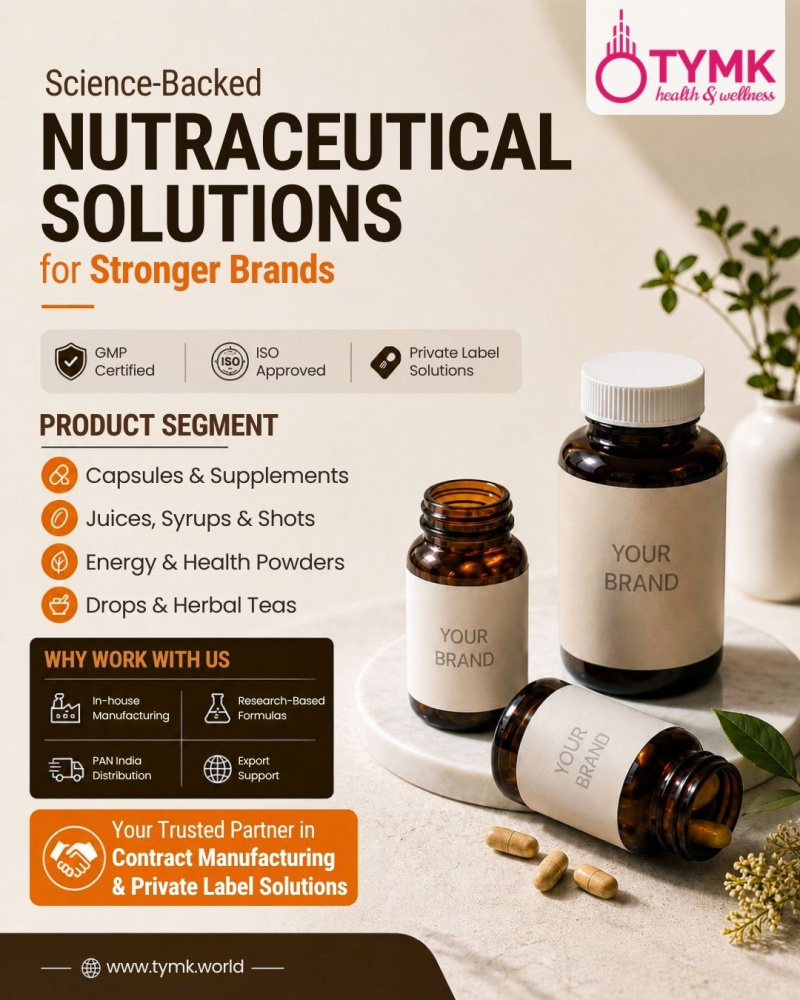
- Why Many Growing Brands Prefer TYMK
- Featured Snippet
- FAQ
- Conclusion
Introduction
Starting a beverage brand looks simple when viewed from social media success stories or online business videos. Many founders assume the process is mainly about creating a good flavor, designing attractive packaging, and launching marketing campaigns. But once product development actually begins, the manufacturing side becomes far more complicated than expected.
A beverage product is not just a liquid inside a bottle. It involves formulation science, ingredient compatibility, preservation systems, stability testing, filling technology, packaging compatibility, compliance regulations, transportation durability, and shelf-life management. Even a small production mistake can create product returns, customer complaints, or major losses.
This is one reason why OEM Beverages manufacturing has become one of the fastest-growing business models in the modern FMCG industry.
Instead of investing huge amounts into factories, machinery, testing labs, production teams, and operational infrastructure, many startups and established companies now partner with experienced OEM beverage manufacturers. These manufacturers already have the systems, technical expertise, and production capabilities required to produce scalable beverage products professionally.
In real-world business terms, this allows brands to focus more on branding, customer acquisition, distribution, and growth while the manufacturing side is managed by industry professionals.
The shift is happening across multiple categories, including:
- Functional beverages
- Herbal wellness drinks
- Energy beverages
- Protein beverages
- Nutritional drinks
- Ayurvedic beverages
- Detox beverages
- Sports recovery drinks
- Kids nutrition beverages
- Immunity-focused products
Modern consumers are demanding healthier, cleaner, and more specialized beverage options. Because of that, brands now need manufacturing partners who understand both product innovation and operational consistency.
Understanding OEM Beverage Manufacturing
OEM beverage manufacturing refers to a production model where a manufacturer creates beverage products for another company under that company’s branding and specifications.
The manufacturer usually handles:
- Product formulation
- Ingredient sourcing
- Production processes
- Filling and packaging
- Quality control
- Compliance support
- Batch consistency
- Logistics coordination
Meanwhile, the brand focuses on:
- Marketing
- Brand positioning
- Sales
- Customer acquisition
- Retail expansion
- Distribution networks
Now here’s something many new founders do not realize initially…
Even globally recognized beverage brands often rely on third-party manufacturing ecosystems. Owning a factory is no longer considered mandatory for building a successful beverage business. In many cases, outsourcing manufacturing creates faster growth opportunities because operational complexity is reduced significantly.
For startups, especially, OEM manufacturing lowers entry barriers dramatically.
Instead of spending massive capital on infrastructure, businesses can test products, study customer response, improve formulations, and scale gradually with lower financial risk.
Why Beverage Brands Are Rapidly Moving Toward OEM Models
Consumer behavior in the beverage market has changed rapidly over the last few years.
People no longer purchase beverages only for taste. They now look for:
- Health benefits
- Functional ingredients
- Natural positioning
- Low sugar content
- Herbal extracts
- Protein support
- Convenience packaging
- Lifestyle branding
This shift created opportunities for new beverage startups. However, it also increased manufacturing complexity.
A beverage today may contain multiple active ingredients, herbal compounds, nutritional additives, stabilizers, flavor systems, and preservation mechanisms. Managing all of this internally requires technical expertise and production systems that many startups simply do not have.
That is why OEM manufacturing has become strategically important.
Instead of struggling with production challenges alone, brands work with experienced beverage manufacturers who already understand:
- Ingredient behavior
- Formulation stability
- Packaging compatibility
- Shelf-life performance
- Production scalability
- Regulatory requirements
In practical business situations, this reduces costly mistakes during the launch phase.
How OEM Beverage Manufacturing Actually Works
The OEM beverage process is far more detailed than most people expect. A professional manufacturing workflow usually follows several structured stages.
Product Ideation and Market Positioning
Everything starts with the product concept.
A brand may want to launch:
- A herbal wellness drink
- A gym-focused protein beverage
- An immunity booster
- A vitamin-based functional drink
- A detox product
- A flavored hydration beverage
At this stage, the manufacturer often discusses:
- Target audience
- Flavor expectations
- Pricing strategy
- Ingredient preferences
- Packaging goals
- Retail positioning
This early planning phase matters because manufacturing decisions directly affect future scalability and profitability.
Formulation Development
This is one of the most technically sensitive stages.
The manufacturer develops beverage formulations while balancing:
- Taste
- Stability
- Ingredient interactions
- Texture
- Color consistency
- Shelf life
- Nutritional goals
For example, some herbal ingredients react differently under heat processing. Certain proteins may create texture instability over time. Natural flavors may behave differently inside PET bottles compared to cans.
These are operational realities most beginner founders do not initially think about.
An experienced OEM Beverages manufacturer understands these technical variables and helps reduce formulation-related risks before commercial production begins.
Sample Testing and Product Trials
Once formulations are prepared, sample batches are created for testing.
This stage may include:
- Taste evaluations
- Stability testing
- Packaging compatibility checks
- Transportation simulations
- Shelf-life analysis
Many successful beverage products go through multiple revisions before final approval.
Sometimes the flavor is excellent, but the shelf stability is weak. In other cases, the formulation works perfectly, but packaging performance creates leakage issues.
Real manufacturing is often a process of refinement rather than instant perfection.
Packaging and Branding Coordination
Packaging has become one of the biggest competitive factors in the beverage market.
Consumers now judge products based on:
- Shelf appeal
- Convenience
- Sustainability
- Premium appearance
- Functional usability
Manufacturers often support packaging selection, such as:
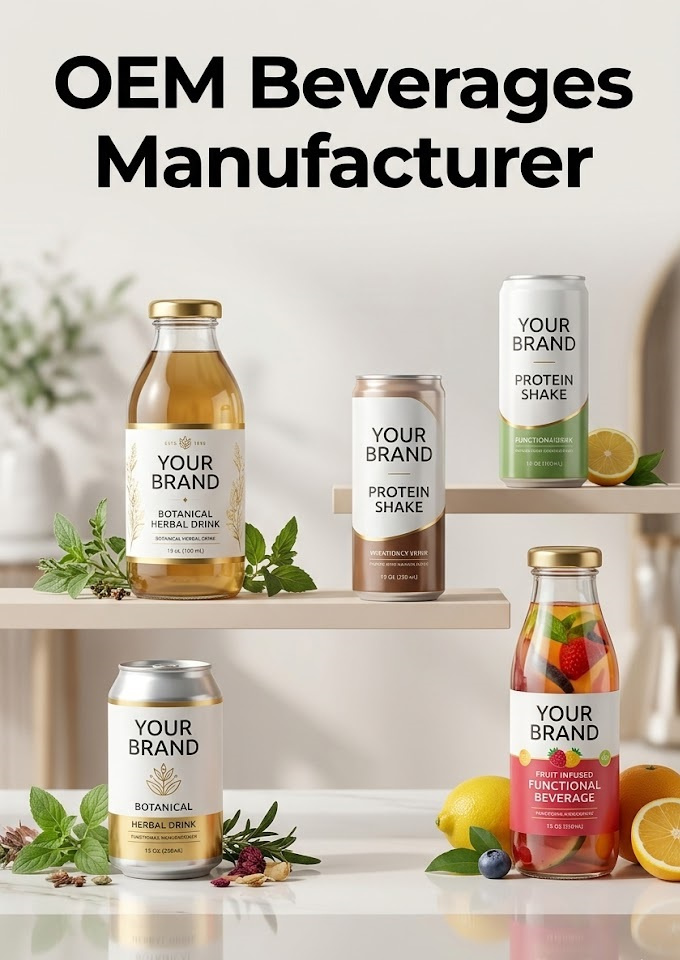
- PET bottles
- Glass bottles
- Aluminum cans
- Sachets
- Tetra-style packaging
Now here’s the important part…
Packaging decisions affect far more than appearance. They influence:
- Shelf life
- Transportation durability
- Storage conditions
- Product freshness
- Shipping costs
- Consumer experience
This is why experienced manufacturers guide brands carefully during packaging selection.
Production and Commercial Manufacturing
After approvals are completed, commercial manufacturing begins.
This stage includes:
- Raw material sourcing
- Batch preparation
- Production processing
- Filling operations
- Sealing systems
- Quality inspections
- Labeling and dispatch
Consistency becomes extremely important during scale production.
Consumers expect the same flavor, quality, and experience every time they purchase a beverage product. Even small inconsistencies can damage brand trust quickly.
Professional OEM beverage manufacturers use standard operating systems and quality protocols to maintain consistency across batches.
The Real Business Advantages Most Startups Overlook
Many founders initially focus only on product creation. But the long-term advantages of OEM manufacturing go far deeper.
Faster Market Entry
Launching products quickly matters in competitive industries.
OEM manufacturing allows businesses to reduce setup timelines significantly because production infrastructure already exists.
Instead of spending months or years building facilities, brands can focus directly on product development and market testing.
Lower Operational Risk
Building manufacturing infrastructure requires:
- Machinery investment
- Factory setup
- Compliance approvals
- Technical staff
- Maintenance systems
- Quality labs
For most startups, this creates major financial pressure.
OEM manufacturing shifts much of that operational burden to the manufacturing partner.
Better Scalability
One of the biggest startup problems is scaling too quickly without production support.
An experienced OEM partner helps businesses increase production capacity gradually as demand grows.
This flexibility becomes extremely valuable during rapid growth phases.
Access to Technical Expertise
Manufacturing teams often have years of industry experience in:
- Beverage chemistry
- Ingredient sourcing
- Production optimization
- Stability management
- Packaging systems
This knowledge helps brands avoid expensive beginner mistakes.
Common Manufacturing Challenges in the Beverage Industry
Most online blogs ignore the operational side of beverage businesses. But in reality, manufacturing challenges are one of the biggest reasons why many beverage startups struggle.
Shelf-Life Problems
Some beverages lose consistency after a few weeks. Others develop sedimentation, flavor changes, or texture separation.
Without proper testing systems, these problems may appear after products already reach the market.
Packaging Failures
A visually attractive bottle design may still fail operationally.
Common issues include:
- Leakage
- Cap instability
- Transportation damage
- Label deterioration
- Product contamination risks
Professional manufacturers test packaging compatibility extensively before scaling production.
Ingredient Cost Volatility
Raw material prices in the beverage industry fluctuate regularly.
Brands without strong sourcing systems often struggle to maintain profitability.
Compliance and Labeling Errors
Incorrect claims, nutritional declarations, or labeling practices can delay product approvals or create legal risks.
This area is especially important for health-focused and nutraceutical beverages.
Private Label vs OEM vs Contract Beverage Manufacturing
| Factor | Private Label | OEM Manufacturing | Contract Manufacturing |
|---|---|---|---|
| Product Customization | Moderate | High | High |
| Speed to Launch | Fast | Moderate | Moderate |
| Branding Ownership | Client | Client | Client |
| Formula Flexibility | Limited | Strong | Strong |
| Startup Friendly | Very High | High | Medium |
| Long-Term Scalability | Moderate | Very High | High |
For many modern beverage startups, OEM manufacturing creates the best balance between customization, scalability, and operational support.
How Modern Beverage Trends Are Changing the Industry
The beverage industry is evolving rapidly due to consumer behavior changes.
Functional Wellness Products
Consumers increasingly want beverages that support:
- Energy
- Immunity
- Fitness
- Hydration
- Recovery
- Mental wellness
This trend is driving innovation across the OEM manufacturing sector.
Clean Label Demand
People now read ingredient labels more carefully than ever before.
Products marketed with:
- Natural ingredients
- Reduced sugar
- Herbal extracts
- Transparent labeling
often gain stronger consumer trust.
Sustainable Packaging
Environmental awareness is influencing packaging decisions across the industry.
Brands are increasingly exploring:
- Recyclable packaging
- Lightweight containers
- Eco-conscious branding
Real-World Startup Example
A startup launched a wellness beverage targeting gym users and young professionals. The branding looked premium, and the marketing campaign generated strong initial demand online.
However, after a few weeks, customers started reporting taste inconsistency between batches.
The issue was eventually traced back to poor ingredient stabilization during manufacturing.
The startup later partnered with a more experienced OEM Beverages manufacturer that redesigned the formulation process and improved batch consistency systems.
After operational improvements, customer retention increased significantly.
This example reflects a common industry reality: marketing may attract customers initially, but manufacturing quality determines long-term survival.
What Smart Brands Look for in an OEM Beverage Partner
Experienced founders usually evaluate manufacturers beyond pricing alone.
Key Decision Factors
Production Scalability
Can the manufacturer handle future growth?
Technical Expertise
Does the team understand beverage formulation deeply?
Quality Systems
Are testing and batch consistency processes reliable?
Packaging Support
Can they help optimize packaging decisions?
Communication Efficiency
Operational coordination matters heavily during scaling.
Startup Flexibility
Some manufacturers are better suited for emerging brands than others.
Why Many Growing Brands Prefer TYMK
TYMK has become relevant for businesses looking for scalable manufacturing support across wellness, FMCG, and personal care categories.
Instead of focusing only on production volume, growing brands increasingly look for manufacturing ecosystems that understand:
- Brand scalability
- Product positioning
- Packaging coordination
- Operational consistency
- Startup growth challenges
TYMK supports businesses looking for manufacturing partnerships that align with modern market demands and scalable product development strategies.
For startups, especially, working with an experienced manufacturing-focused ecosystem can simplify multiple operational layers at once.
Featured Snippet
What is OEM Beverages manufacturing?
OEM Beverages manufacturing is a system where a manufacturer produces beverage products for another company under that company’s branding. Companies like TYMK help brands manage formulation, production, packaging, quality control, and scalable manufacturing support so businesses can launch beverage products faster without investing in their own factories.
FAQ
What is an OEM beverage manufacturer?
An OEM beverage manufacturer produces beverage products for brands under customized branding and manufacturing agreements.
Is OEM beverage manufacturing suitable for startups?
Yes. It helps startups reduce infrastructure costs, lower operational risk, and launch products faster.
What beverages can be manufactured through OEM systems?
Protein beverages, herbal drinks, wellness beverages, energy drinks, detox beverages, and nutritional beverages are commonly manufactured through OEM systems.
How long does beverage product development take?
Timelines vary depending on formulation complexity, packaging selection, testing requirements, and production approvals.
Why is manufacturing quality important in beverages?
Beverage products require stability, consistency, and shelf-life management. Poor manufacturing can damage customer trust quickly.
Conclusion
The beverage industry is becoming more competitive, innovation-driven, and quality-focused every year. Consumers are no longer purchasing products only based on flavor or branding. They now expect functionality, transparency, consistency, convenience, and trust.
Because of this shift, manufacturing has become one of the most important strategic decisions for modern beverage brands.
OEM Beverages manufacturing allows startups and growing companies to enter the market faster while reducing operational pressure and infrastructure investment. More importantly, it gives brands access to technical expertise, scalable production systems, and professional operational support that would otherwise require massive investment internally.
The most successful beverage brands today are not simply focused on launching products quickly. They are building long-term manufacturing partnerships that support sustainable scaling, product consistency, and evolving consumer expectations.
To explore scalable OEM beverage manufacturing solutions, visit TYMK and learn how modern manufacturing partnerships are helping brands grow more efficiently in today’s competitive FMCG landscape.