How FMCG Private Label Manufacturing Is Growing in India
How FMCG Private Label Manufacturing Is Growing in India
Discover how FMCG private label manufacturing is rapidly growing in India and why brands are choosing OEM and white label solutions.
Introduction
Walk into any supermarket or scroll through any online marketplace today, and you’ll notice something interesting — more brands are launching their own personal care, herbal, skincare, healthcare, and FMCG products faster than ever before.
Most people assume these companies own factories. In reality, many of them rely on FMCG private label manufacturing.
This shift is changing the Indian manufacturing industry rapidly. From startups to established distributors, businesses are using private label and white label manufacturing models to launch products with lower investment, faster production, and reduced operational risk.
Now here’s the important part…
India is becoming one of the biggest hubs for FMCG contract manufacturing because of rising consumer demand, affordable production, Ayurvedic product growth, and expanding e-commerce markets.
Whether it’s skincare, baby care, shampoo, perfume, healthcare, or herbal supplements — the private label model is growing across almost every category.
What is FMCG Private Label Manufacturing?
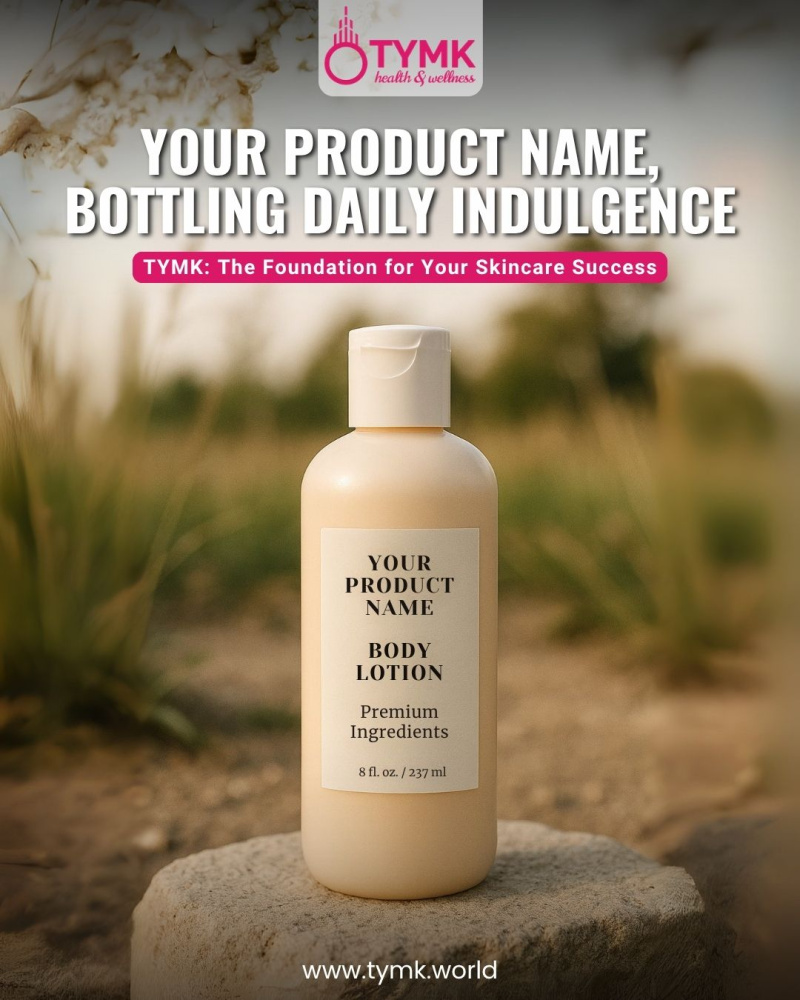
FMCG private label manufacturing is a business model where a manufacturer produces products for another company that sells them under its own brand name.
For example:
A company wants to launch:
- Shampoo
- Face serum
- Herbal toothpaste
- Baby care products
- Perfume
- Nutraceuticals
Instead of building a factory, they partner with a:
- White Label Cosmetic Manufacturer
- Herbal Products Contract Manufacturer
- OEM Personal Care Products Manufacturer
- Shampoo Private Label Manufacturer
The manufacturing company handles:
- Product formulation
- Packaging
- Labeling
- Testing
- Bulk production
The brand focuses on:
- Marketing
- Sales
- Distribution
- Branding
This model has become extremely popular in India because it reduces startup costs and speeds up product launches.
FMCG private label manufacturing in India is growing because brands can launch products quickly without investing in factories. Businesses partner with OEM, white-label, and contract manufacturers for cosmetics, herbal products, skincare, baby care, healthcare, and nutraceutical products while focusing mainly on branding and sales.
Why FMCG Private Label Manufacturing Is Growing in India
1. Rising Demand for Personal Care Products
India’s personal care market has expanded significantly after the rise of:
- D2C brands
- Instagram marketing
- Marketplace selling
- Influencer-driven products
This has increased demand for:
- Skin Care Products White Label Manufacturer
- Hair Care Products Manufacturer
- Face Serum Manufacturer
- Shampoo Manufacturer
- Perfume Private Label Manufacturer
Consumers now prefer niche and customized products instead of mass-market generic brands.
2. Lower Investment for Startups
Starting a manufacturing unit requires:
- Machinery
- Certifications
- Staff
- Raw materials
- Testing labs
- Compliance approvals
Most startups cannot afford this initially.
That’s why businesses choose:
- OEM Herbal Products
- Bath Soap Contract Manufacturer
- Colour Cosmetics Products Contract Manufacturer
- Nutraceutical Products White Label Manufacturer
In real-world terms, private label manufacturing allows brands to enter the market in weeks instead of years.
3. Ayurvedic & Herbal Product Boom
One major growth driver is the increasing trust in herbal and Ayurvedic products.
Keywords showing strong demand include:
- Herbal Products Private Label Manufacturer
- Ayurvedic Products White Label Manufacturer
- Herbal supplements Products Manufacturer
- Herbal Toothpaste Manufacturer
Consumers today actively search for:
- Sulphate-free products
- Herbal ingredients
- Natural skincare
- Ayurvedic wellness products
This trend is expected to continue for years.
Real-World Example
A small skincare startup from Gujarat started with only three products:
- Face serum
- Herbal shampoo
- Body lotion
Instead of manufacturing themselves, they partnered with a Customised Cosmetic Manufacturer and an OEM Face Care Products supplier.
Within 8 months:
- Their products reached Amazon and Flipkart
- They expanded to 40+ distributors
- Production scaled without additional factory investment
This is exactly why FMCG private label manufacturing is accelerating across India.
How Does FMCG Private Label Manufacturing Work?
Step 1 — Product Selection
The business selects products such as:
- Shampoo
- Soap
- Baby care
- Nutraceuticals
- Healthcare products
- Pet care products
Step 2 — Formula Development
The manufacturer creates:
- Customized formulas
- Fragrance options
- Ingredient combinations
- Packaging styles
This is common with:
- Face Serum Contract Manufacturer
- Perfume Contract Manufacturer
- OEM Skincare Products
Step 3 — Branding & Packaging
The product is packed under the client’s brand identity.
This includes:
- Logo printing
- Packaging design
- Product labeling
- Compliance details
Step 4 — Manufacturing & Quality Testing
The manufacturer handles:
- Bulk production
- Quality testing
- Safety checks
- Packaging inspections
Step 5 — Market Launch
The client sells products through:
- Amazon
- Flipkart
- Retail stores
- Distributors
- MLM networks
- D2C websites
Why MLM & Direct Selling Manufacturing Is Growing
An interesting trend in India is the rapid rise of:
- MLM Product Manufacturer
- Network Marketing Product Manufacturer
- Direct Selling Product Supplier
Many direct-selling businesses now launch:
- Herbal supplements
- Healthcare products
- Personal care products
- Nutritional supplements
Private label manufacturing helps them scale quickly without production headaches.
Which FMCG Categories Are Growing Fastest?
| Category | Growing Manufacturing Demand |
|---|---|
| Skincare | OEM Skincare Products |
| Haircare | Shampoo White Label Manufacturer |
| Baby Care | Baby Care Products Contract Manufacturer |
| Perfume | Perfume Third-Party Manufacturer |
| Nutraceuticals | OEM Nutraceuticals Products |
| Herbal Products | Herbal Products White Label Manufacturer |
| Pet Care | PET Care Products Private Label Manufacturer |
| Healthcare | Healthcare Products White Label Manufacturer |
When Should Businesses Choose Private Label Manufacturing?
Private label manufacturing works best when:
- You want faster product launches
- You lack factory infrastructure
- You want low operational risk
- You are testing new markets
- You need scalable production
- You want customized branding
This model is especially useful for:
- Startups
- D2C brands
- MLM companies
- Export businesses
- Marketplace sellers
Who Should Choose FMCG Contract Manufacturing?
Best for:
- Entrepreneurs
- Cosmetic brands
- Herbal startups
- Wellness companies
- Supplement sellers
- E-commerce businesses
- Retail chains
Most people don’t realize this, but even many established brands outsource production partially to OEM manufacturers for faster scaling.
Which Option Is Best? Private Label vs White Label vs OEM
| Type | Best For | Customization |
|---|---|---|
| White Label | Fast launches | Low |
| Private Label | Brand identity | Medium |
| OEM Manufacturing | Fully customized products | High |
| Contract Manufacturing | Bulk production scaling | Medium to High |
Why Businesses Choose TYMK World
When businesses look for a reliable manufacturing partner, they usually focus on:
- Product quality
- Manufacturing experience
- Compliance standards
- Scalability
- Product customization
- Timely delivery
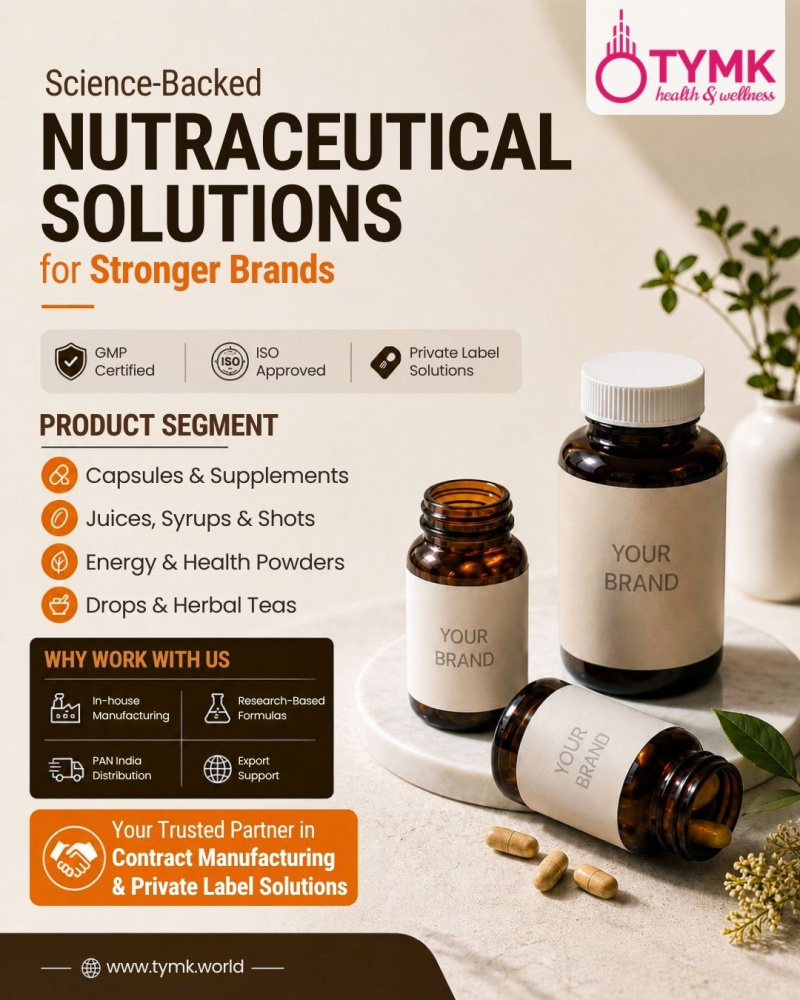
TYMK World operates across multiple FMCG categories, including:
- Cosmetics
- Herbal products
- Baby care
- Nutraceuticals
- Healthcare products
- Perfumes
- Personal care products
The company supports:
- White label manufacturing
- OEM manufacturing
- Contract manufacturing
- Private label solutions
This helps startups and growing brands launch products with lower operational complexity.
FAQs
What is a white-label cosmetic manufacturer?
A white-label cosmetic manufacturer creates ready-made cosmetic products that businesses can sell under their own brand name.
How does OEM manufacturing work in FMCG?
OEM manufacturing allows companies to create customized products through a third-party manufacturer while selling under their own branding.
Is private label manufacturing profitable in India?
Yes. India’s growing FMCG demand, lower manufacturing costs, and rising e-commerce market make private label manufacturing highly profitable.
Which products are best for private label manufacturing?
Popular categories include:
- Skincare
- Shampoo
- Baby care
- Herbal supplements
- Perfumes
- Healthcare products
Why are herbal product manufacturers growing rapidly?
Consumers increasingly prefer natural, Ayurvedic, and chemical-free products, creating strong demand for herbal product manufacturing.
How can businesses start a private label FMCG brand?
Businesses can partner with manufacturers like TYMK World for product development, packaging, branding, and production support.
Conclusion
FMCG private label manufacturing in India is no longer just a startup trend. It has become a major business model powering growth across cosmetics, herbal products, healthcare, baby care, nutraceuticals, and personal care industries.
With rising consumer demand and lower entry barriers, more businesses are choosing:
- White label manufacturing
- OEM manufacturing
- Contract manufacturing
- Private label production
Companies that move early in this space can scale faster without massive infrastructure investments.
If you want to explore private label, OEM, or contract manufacturing opportunities, TYMK World provides solutions across multiple FMCG categories.