TYMK Blog

Herbal Toothpaste Manufacturer Guide

<p>A detailed guide explaining herbal toothpaste manufacturing, private label opportunities, benefits, process, and how businesses can build a trusted oral care brand.</p>

20 May 2026 3 mins read

Herbal Toothpaste Manufacturer Guide

People don’t usually think about toothpaste beyond daily use. It feels like a simple product. But behind it, there’s a growing industry where herbal oral care is becoming a serious business category.

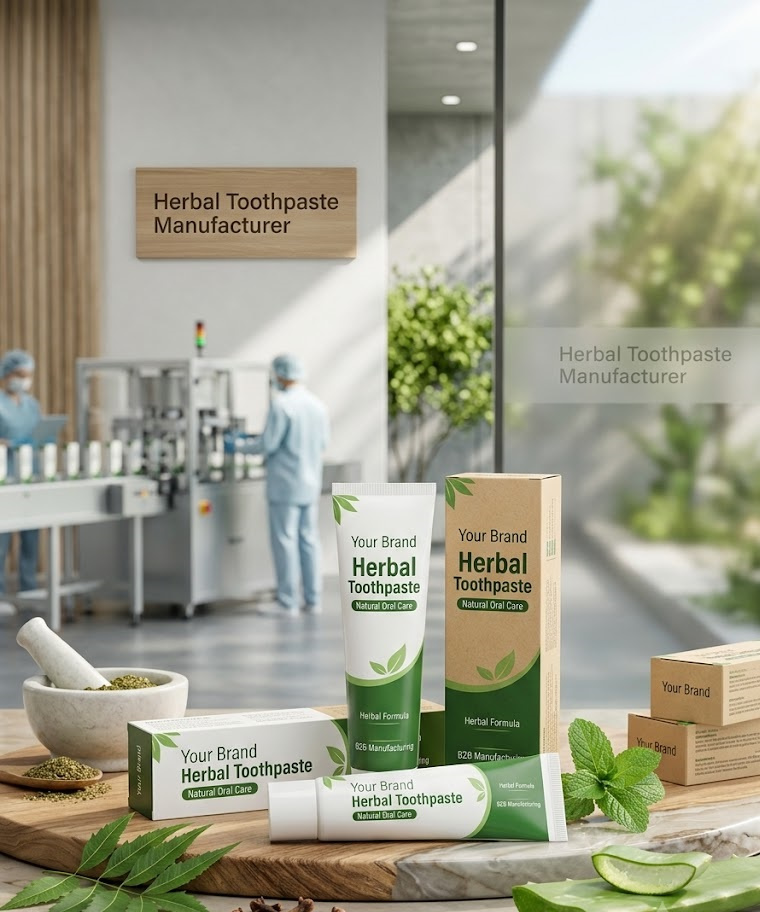
A Herbal Toothpaste Manufacturer is the company that develops and produces toothpaste using herbal ingredients like neem, clove, mint, and eucalyptus. These products are then supplied to brands that sell them under their own name.

TYMK — This is important because most new brands don’t realize they don’t need their own factory to enter this market.


What is Herbal Toothpaste Manufacturing?

WHAT it actually means is simple — it is the process of making toothpaste using natural herbal ingredients instead of chemical-heavy formulations.

Manufacturers handle everything:

  • formulation
  • production
  • testing
  • packaging

After that, brands take the ready product and sell it under their own label.

In real terms, it is a shortcut for launching a toothpaste brand without building infrastructure.


Why Herbal Toothpaste Manufacturing is Growing

WHY this industry is growing is not complicated.

People have started reading ingredient labels more seriously. Some avoid chemicals. Some prefer Ayurvedic products. Some just want “natural” positioning.

And toothpaste is a daily-use product, so trust matters more than anything.

That’s why herbal toothpaste is becoming more visible in retail and online markets. It feels safer to consumers, even if they don’t fully understand the formulation.


How the Process Works (Simple Breakdown)

The process is not very complex, but it is structured.

First comes ingredient selection. Herbs must be consistent in quality; the product changes.

Then formulation happens — this is where texture, taste, and performance are adjusted.

After that, testing is done. This step decides if the product is stable and safe for long-term use.

Once approved, bulk production starts. Machines handle mixing and filling. At the end, branding and packaging are applied.

It sounds technical, but for brands, it is mostly a done-for-you system.


When Should a Business Use This Model?

This model makes sense when:

  • You want to launch quickly
  • You don’t want factory investment
  • You are testing FMCG demand
  • You are expanding into herbal products

Many businesses enter at this stage because building a manufacturing setup is not practical in the early phase.


Who Should Consider It

  • startups in personal care
  • Ayurvedic and herbal brands
  • MLM and direct selling companies
  • exporters
  • retail brands creating private label products

Not every business needs it, but for FMCG entry, it is one of the most common routes.


Which Model Works Best

OEM, private label, and white label all serve different purposes.

OEM gives full control but takes time and cost.

Private label is more balanced — ready formulation with branding flexibility.

White label is fastest — product already exists, only branding changes.

Most new brands usually start with a private label because it avoids complexity.


Why Manufacturer Choice Matters (Real Reason)

This is where many brands make mistakes.

If product consistency changes even slightly, customers notice it. They may not complain, but they don’t reorder.

So the manufacturer affects:

  • product experience
  • customer trust
  • repeat sales

That’s why choosing the right Herbal Toothpaste Manufacturer is not just a supply decision; it is a brand decision.


Simple Meaning

Herbal toothpaste manufacturing is the process of making toothpaste using natural ingredients and supplying it to businesses so they can sell it under their own brand without owning production facilities.


FAQs (People Actually Ask)

What is herbal toothpaste manufacturing?
It is the production of toothpaste using herbal ingredients for private label or OEM branding.

Why is herbal toothpaste popular?
Because people prefer natural ingredients and trust Ayurvedic positioning more.

Can small brands start this?
Yes, private label models are designed for small and new businesses.

What is the investment required?
It depends on packaging and quantity, but private label keeps it relatively low.

Which model is easiest to start?
Private label is usually the most practical starting point.


Closing Note

The herbal toothpaste market is not just growing — it is stabilizing as a long-term FMCG category. Businesses that enter early with the right manufacturing support usually find it easier to scale later. The real challenge is not production anymore; it is positioning and consistency.


Recent Posts

call to +918128153295
sent message to whatsapp
contact now