Hair Care Products Manufacturer (OEM & Private Label)
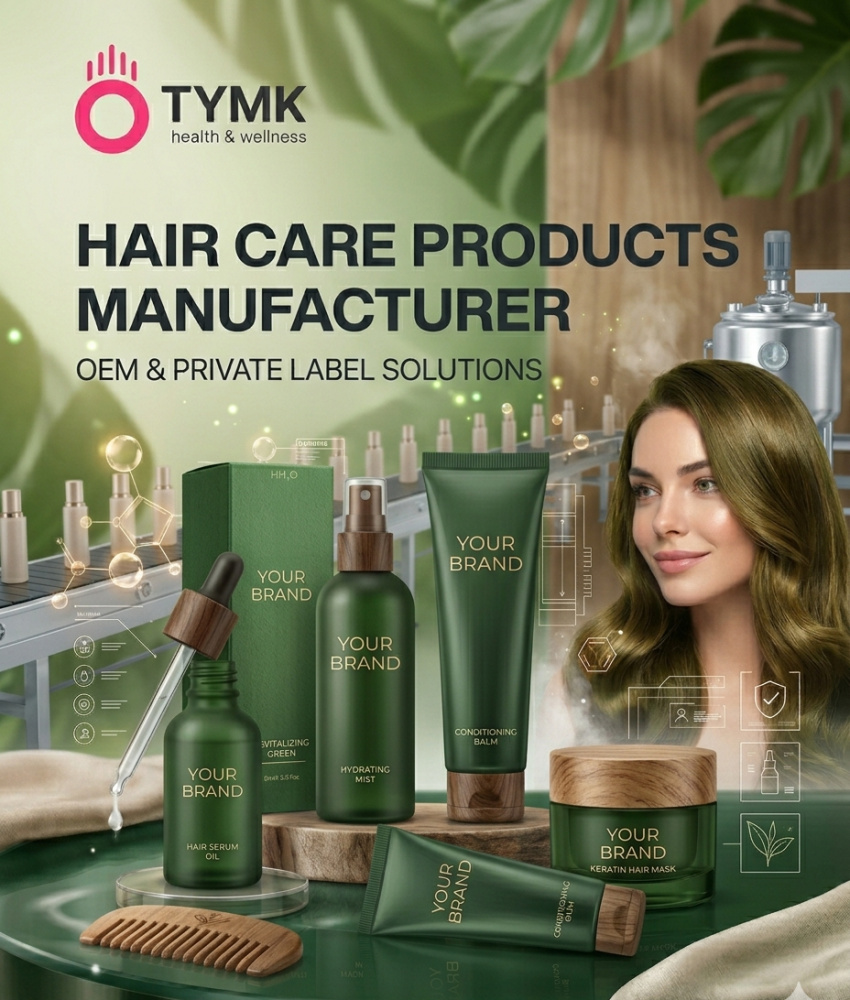
A Hair Care Products Manufacturer helps brands create, develop, and scale shampoos, oils, and treatments through OEM, white label, and contract manufacturing models. It enables faster market entry with consistent quality and scalable production support.
Hair Care Products Manufacturer (OEM & Private Label)
Hair care products manufacturer for OEM, white label, and contract production. Build and scale beauty brands with reliable manufacturing support.
Introduction
If you’ve ever tried building a hair care brand, you already know the idea is the easy part.
Formulas, branding, packaging—everything looks manageable in the beginning. But the real challenge starts when you try to actually produce the product at scale without mistakes.
That’s usually where most new brands slow down.
A Hair Care Products Manufacturer steps in at that exact point. Not as a “vendor,” but as the place where ideas become something you can actually sell.
And in most cases, successful beauty brands don’t try to build everything themselves. They lean on OEM setups, white-label systems, or contract manufacturing partners who already have the infrastructure in place.
What a Hair Care Manufacturer Actually Is
At a basic level, it’s a facility that produces shampoos, oils, conditioners, serums, and treatment products for other brands.
But that definition feels too clean.
In reality, it’s a mix of formulation chemists, production lines, compliance checks, testing labs, and packaging coordination—all working behind the scenes so a brand can focus on marketing and sales.
Most manufacturers today also work across:
- OEM Hair Care Products (custom formulas)
- White-label ready products (faster launch)
- Contract manufacturing (large-scale production)
- Third party production setups
Why This Industry Matters More Than People Realize
Hair care is one of those categories where consistency matters more than marketing.
A shampoo that works once but feels different in the next batch quietly kills trust. A hair oil that separates in storage never makes it past repeat buyers.
Manufacturers handle these issues long before the product reaches a customer.
They deal with:
- Ingredient stability
- Batch-to-batch consistency
- Regulatory compliance
- Scaling production without quality drops
Most brands don’t think about this early. They only realize it when problems start appearing in sales.
How the Process Usually Works (In Real Terms)
It rarely starts with production.
It starts with a conversation.
A brand usually comes in with an idea, sometimes very vague. “I want a natural shampoo” or “something for hair fall.”
From there, things move step by step:
- First sample is created
- Adjustments happen (and they usually do)
- Packaging is discussed
- Stability testing begins
- Only then does bulk production start
It’s not fast, but that’s the point. Rushing this stage usually creates bigger problems later.
This is the same flow whether it’s an OEM Shampoo Manufacturer or a full Hair Care Products Contract Manufacturer.
When Brands Actually Need a Manufacturer
Most brands wait too long before approaching one.
In practice, manufacturers become necessary when:
- You’re ready to sell beyond local scale
- You don’t want to invest in a factory setup
- You need multiple SKUs quickly
- You’re entering MLM or direct selling networks
- You’re expanding from skincare into hair care
The shift usually happens quietly—sales increase, demand grows, and suddenly, manual production is no longer sustainable.
Who This Really Works For
Not every business needs this setup, but most growing ones eventually do.
It fits naturally for:
- Early-stage beauty startups
- E-commerce sellers building private label brands
- MLM Product Manufacturer networks
- Influencers launching personal care lines
- Established cosmetic companies expanding their product range
Hair care is often the second or third category after skincare because demand is steady and repeat usage is high.
OEM vs White Label vs Contract (Simple Reality Check)
| Model | What it feels like in real business |
|---|---|
| OEM | You build your own product identity, but you need time |
| White Label | Fast entry, limited customization |
| Contract Manufacturing | Built for scale, once demand is proven |
There’s no “best” option universally. It depends on whether you’re trying to move fast, stay flexible, or scale seriously.
Where TYMK World Fits In
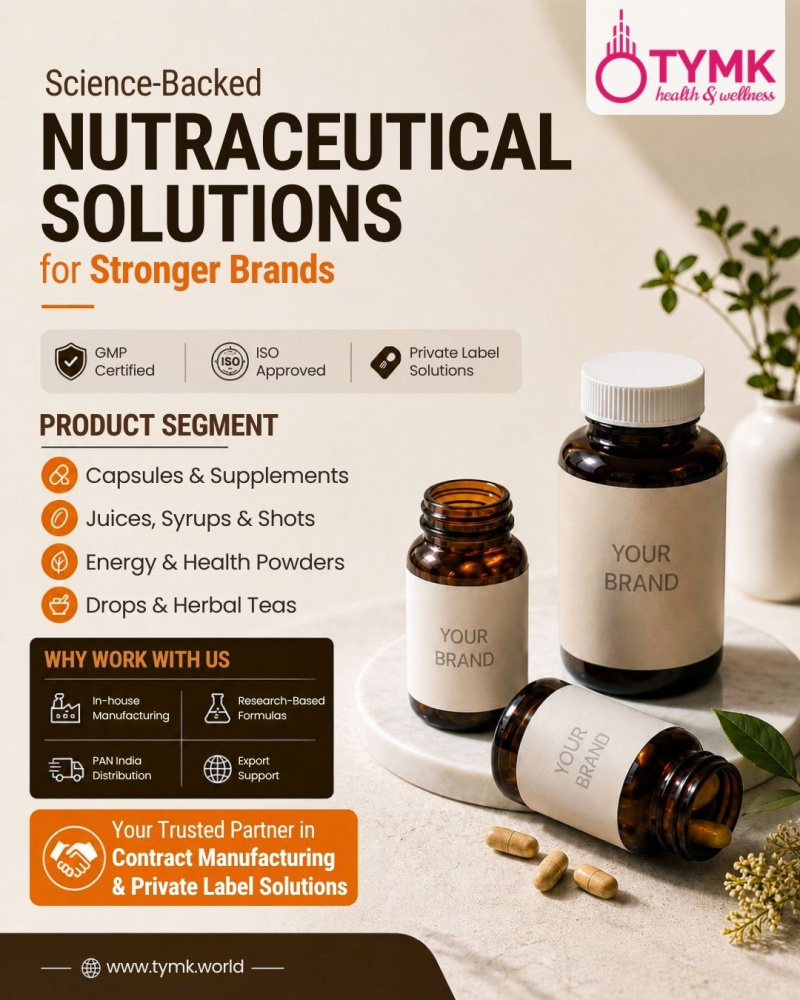
TYMK World works in cosmetic and personal care manufacturing, covering hair care, skincare, and herbal categories.
What stands out in this kind of setup is not just production capability, but whether the system can handle growth without breaking.
For example:
- Supporting OEM and white-label production
- Handling multiple product categories under one system
- Working with both startups and scaling brands
- Maintaining consistency when volumes increase
That last part is usually where most manufacturers struggle. Scaling without quality drop is harder than starting production itself.
Featured Snippet
A Hair Care Products Manufacturer produces shampoos, oils, conditioners, and treatments for brands using OEM, white label, or contract systems. It allows businesses to launch and scale products without owning manufacturing facilities while maintaining quality and compliance.
FAQs
What does a hair care manufacturer do?
They develop and produce hair care products for brands, including shampoos, oils, and conditioners.
Is OEM better than white label?
OEM is better for unique products. White label is better when speed matters more than customization.
Can small brands work with manufacturers?
Yes. Many manufacturers support startup-level production with lower minimum order quantities.
What is contract manufacturing in hair care?
It is full-scale outsourced production where the brand focuses on sales and marketing.
Why do brands use manufacturers instead of building factories?
Because manufacturing requires heavy investment, technical expertise, and compliance systems that take years to build.
Conclusion
Hair care manufacturing isn’t just about production—it quietly decides how far a brand can go.
Some brands grow because they market well. Others grow because their production system never breaks when demand increases.
The difference usually comes down to one decision: whether the manufacturing partner is built for scale or just for output.