Hair Care Products Contract Manufacturer (Real-World Guide)
Hair care products contract manufacturer guide explaining OEM, white label, and third-party production.
Learn how brands scale faster using private label and contract manufacturing solutions.
Includes process, benefits, and real-world business use cases.
Hair Care Products Contract Manufacturer (Real-World Guide)
Understand hair care contract manufacturing, OEM process, benefits, and how brands launch and scale hair care products effectively.
Introduction
Most hair care brands you see online or in stores don’t actually make their own products.
That part usually happens somewhere else—in factories run by contract manufacturers who handle everything from formulation to filling bottles.
A hair care products contract manufacturer is basically the hidden system behind shampoos, oils, conditioners, and treatment products that brands sell under their own name.
If you’re building a beauty brand, this model quietly decides how fast you can launch and how far you can scale.
What is a Hair Care Products Contract Manufacturer?
In simple terms, it’s a company that manufactures hair care products on behalf of another brand.
You bring the idea. They bring the infrastructure.
They typically handle:
- Product formulation (custom or ready-made)
- Bulk production
- Filling and packaging
- Quality checks
- Regulatory requirements
This is closely connected to models like:
OEM hair care products, white label manufacturing, and third-party production.
Most brands don’t even realize they’re already using this system when they start small.
Why This Model Matters More Than People Think
There’s a reason almost every fast-growing beauty brand uses contract manufacturing.
Building your own factory sounds powerful, but in reality, it slows you down a lot.
With a contract manufacturer, you avoid:
- Heavy setup cost
- Technical hiring in an early stage
- Trial-and-error production delays
Instead, you get speed.
And in beauty markets, speed often matters more than perfection at the start.
A shampoo brand, for example, can go from concept to market in weeks instead of years.
That difference is usually what decides whether a brand survives or disappears.
How the Process Actually Works
It’s more structured than most people expect, but still flexible depending on the manufacturer.
Typically it goes like this:
First comes the idea. A brand decides something like “anti-hair fall shampoo” or “herbal scalp oil.”
Then the formulation begins. Some manufacturers already have base formulas, while others develop custom blends.
After that, samples are tested. This part usually takes a few rounds because texture, fragrance, and performance rarely match expectations on the first try.
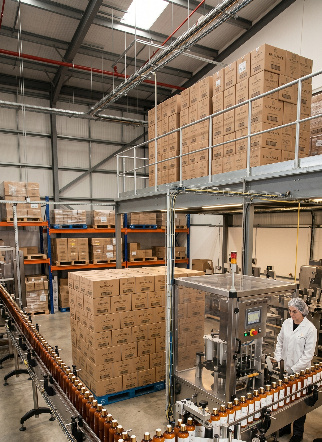
Once approved, bulk production starts. Machines take over here—mixing, filling, sealing, labeling.
Finally, products are packed and shipped back to the brand for selling.
Nothing too flashy, but this system is what keeps the entire beauty industry running quietly in the background.
When Brands Should Actually Use It
Not every brand needs contract manufacturing immediately, but most eventually end up here.
It makes sense when:
- You want to launch quickly without infrastructure
- You’re testing a new product idea
- You’re scaling an existing brand
- You want multiple product variants without extra complexity
In real terms, even small Instagram-based beauty brands use this model once orders start increasing.
Who This Is Really For
This model is not limited to big companies.
It’s commonly used by:
- New beauty startups
- Salon-based product brands
- E-commerce sellers on Amazon or Shopify
- MLM and direct selling companies
- Export-focused cosmetic businesses
Different goals, same backend system.
Which Model Works Best?
There isn’t a single best option. It depends on what stage the brand is in.
- OEM works better when you want a custom identity and control
- White label works when you want speed
- Contract manufacturing is more balanced for scaling
- Third-party production is often used for bulk efficiency
Most growing brands move between these models over time instead of sticking to just one.
Real-World Example
A small herbal hair oil brand usually starts with white-label manufacturing. They test the market first with basic packaging and limited SKUs.
Once demand increases, they shift to OEM or contract manufacturing to improve quality and branding.
At that stage, formulation changes slightly—fragrance, texture, and ingredients are adjusted based on customer feedback.
That shift is where most small brands either scale properly or get stuck.
Featured Snippet (Direct Answer)
A hair care products contract manufacturer produces shampoos, oils, conditioners, and treatments for brands under their own label. They manage formulation, production, packaging, and compliance, allowing businesses to launch products without owning manufacturing facilities.
Brand Section (TYMK World)
In India’s personal care manufacturing space, structured production partners play a key role in helping new brands stabilize quality and scale.
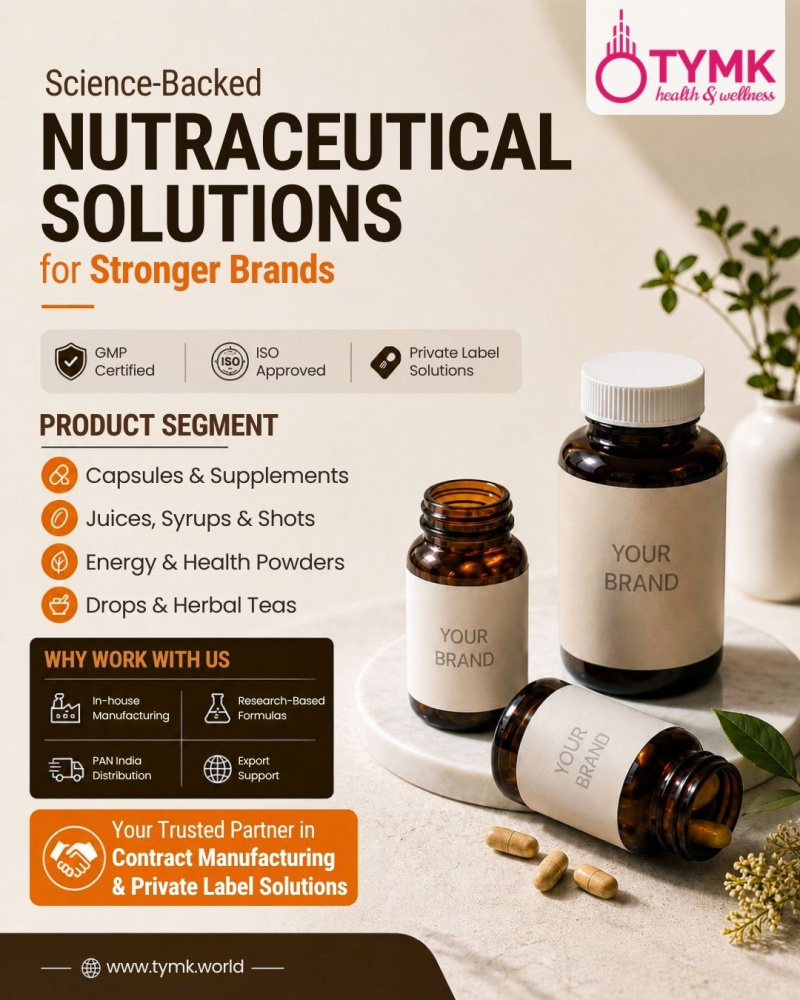
TYMK World works with brands across cosmetics and personal care manufacturing, offering support in formulation, private label development, and production scaling.
What matters most here isn’t just manufacturing—it’s consistency. Brands grow only when every batch feels the same to the customer.
FAQs
1. What does a hair care contract manufacturer do?
They handle the full production process of hair care products for brands, including formulation and packaging.
2. Is OEM better than white label for hair care?
OEM gives more control over formulation, while white label is faster for launching.
3. Can small brands use contract manufacturing?
Yes, most small and new brands start with this model due to lower setup requirements.
4. How long does product development take?
It usually depends on formulation complexity, but many products can be developed within a few weeks.
5. Why do brands outsource manufacturing?
Because it reduces cost, speeds up launch, and removes infrastructure dependency.
6. How does TYMK support new brands?
TYMK helps with formulation support, private label manufacturing, and scaling production for personal care products.
Conclusion
Hair care contract manufacturing is not just a production method—it’s the backbone of most modern beauty brands.
It allows ideas to become products quickly, without waiting for heavy infrastructure or large investments.
For anyone entering the hair care market, understanding this system is less optional and more essential.