Face Serum Private Label Manufacturer Guide
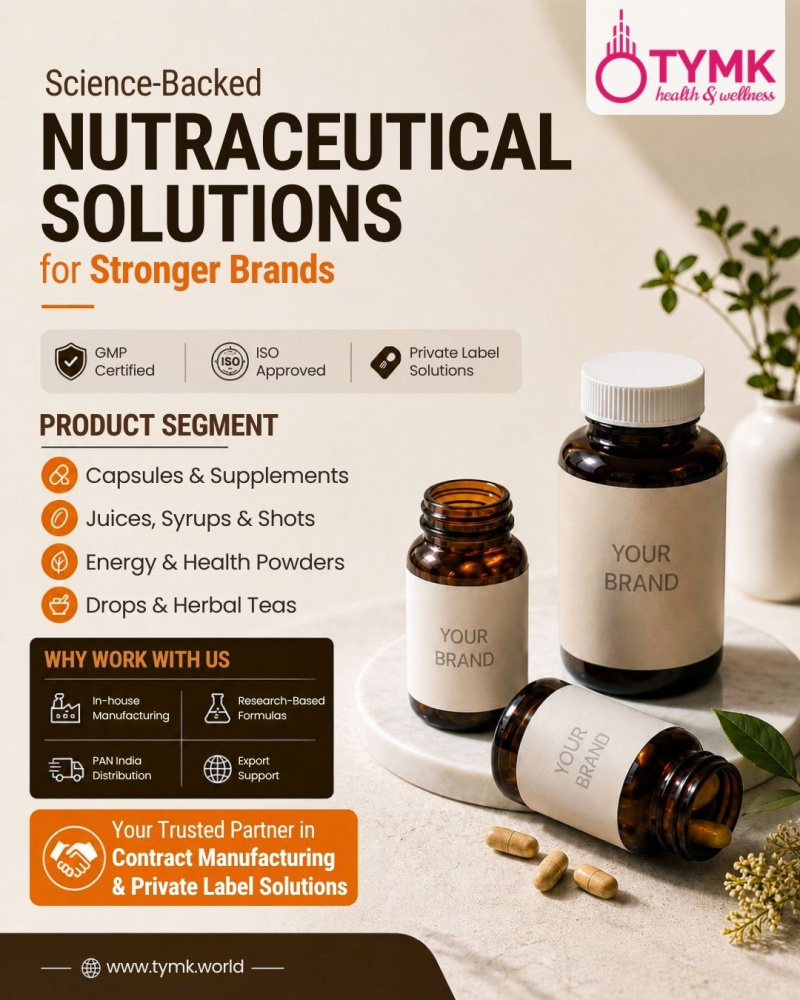
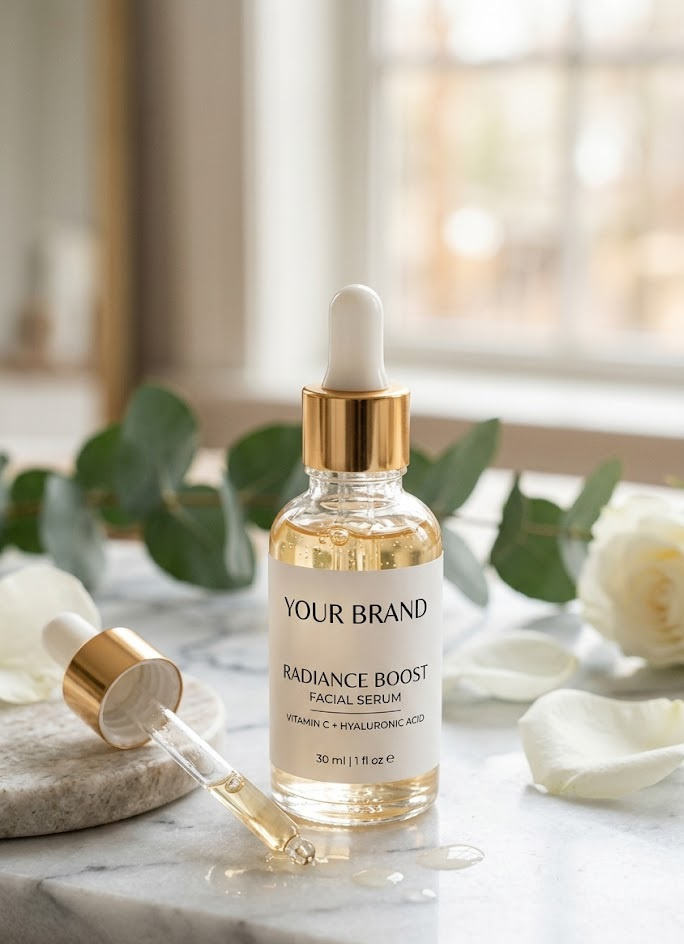
A practical guide to Face Serum Private Label Manufacturing for skincare startups and brands. It explains process, benefits, and OEM/private label options in simple terms. Learn how to launch a serum brand quickly with structured manufacturing support like TYMK.
Face Serum Private Label Manufacturer Guide
Launch your skincare brand faster with face serum private label manufacturing. Learn process, benefits, OEM options, and real business strategy.
Introduction
A lot of people want to start a skincare brand. Face serums usually come first on that list because they look premium and sell fast.
But here’s the part most beginners miss—product idea is not the problem. Execution is.
You don’t need a factory. You don’t even need to be a chemist. What actually matters is choosing the right Face Serum Private Label Manufacturer and understanding how the system works behind it.
In practice, most small beauty brands you see online do not manufacture anything themselves. They are built on private label or OEM models and scaled through branding and marketing.
Table of Contents
- What is Face Serum Private Label Manufacturing?
- Why brands depend on it
- How the process actually works
- When it makes sense to use it
- Who should consider it
- Which model fits best
- Real-world brand logic
- FAQs
- Conclusion
What is Face Serum Private Label Manufacturing?
In simple terms, it means a manufacturer already has tested serum formulations, and you sell them under your own branding.
Face Serum Private Label Manufacturer handles the production side—formulation, stability, packaging support—while you focus on selling and positioning.
It is not “copy-paste branding” as people assume. There is proper formulation testing, compliance, and batch control involved.
Why This Model Works in the Real Market
Skincare is not a low-barrier business anymore. Regulations, formulation stability, and consumer expectations are high.
Private label works because:
- You avoid R&D costs
- You skip manufacturing setup delays
- You can test products quickly in the market
- You reduce risk before scaling
Most D2C skincare brands in India start exactly like this. They don’t start with labs. They start with suppliers.
How the Process Works (Real Flow)
It is more straightforward than people think, but still structured:
1. Product selection
You pick what fits your brand—hydration, anti-aging, brightening, etc.
2. Sample phase
This is where most people get stuck. Texture, smell, absorption—all checked here.
3. Packaging discussion
Bottle design matters more than people admit in skincare sales.
4. Production batch
Once approved, bulk production starts.
5. Quality check
Every batch goes through testing before dispatch.
6. Branding & launch
Your label goes on the product, and it becomes your brand identity.
When Should You Use Private Label?
Not every stage needs customization.
You should use it when:
- You are starting out and testing demand
- You don’t want a heavy upfront investment
- You want multiple SKUs quickly
- You are entering skincare from another business (like MLM, retail, e-commerce)
Who Actually Uses It
This model is more common than people think:
- New skincare startups
- Influencers launching beauty brands
- MLM / network marketing companies
- Exporters and wholesalers
- Amazon / Flipkart sellers
Which Model Works Best (Simple Comparison)
| Model | Control | Cost | Speed | Risk |
|---|---|---|---|---|
| Private Label | Medium | Low | Fast | Low |
| OEM | High | Medium | Medium | Medium |
| Contract Manufacturing | Medium | Medium | Medium | Medium |
| Own Factory | Very High | Very High | Slow | High |
Private label usually wins at the starting stage. OEM becomes relevant later when brands grow.
Real-World Insight
One thing that rarely gets discussed—most successful skincare brands don’t start with originality.
They start with consistency, packaging, and positioning. Product formulation often comes after validation, not before.
That is why private label manufacturing continues to dominate the early-stage beauty industry.
Featured Snippet Answer
Face serum private label manufacturing is a system where manufacturers create ready skincare serums that businesses can brand and sell as their own. It includes formulation, packaging, testing, and compliance, allowing fast market entry without owning production facilities.
Choosing the Right Manufacturer Matters
In skincare manufacturing, the difference between a successful brand and a failed product often comes down to the manufacturer’s consistency, compliance, and formulation expertise.
A reliable partner ensures:
- Stable and dermatologically tested formulations
- GMP-certified production environment
- Batch-to-batch consistency
- Proper packaging and regulatory support
In this space, TYMK has positioned itself as a structured cosmetic manufacturing partner, especially for startups and emerging skincare brands. Their focus is not only on production but also on helping brands maintain quality standards while scaling.
Unlike generic suppliers, TYMK operates with a system-driven approach—where formulation stability, documentation, and quality checks are handled in a controlled manufacturing cycle rather than a bulk production mindset.
This becomes important for face serum products because serums are highly active formulations that require precision, not just mixing.
FAQs
What is private label face serum manufacturing?
It is when ready-made serum formulations are sold under a brand’s name after labeling.
Is it profitable for startups?
Yes, because the initial investment is low and skincare demand is consistent.
How long does it take to launch a product?
Usually between 2 and 6 weeks, depending on packaging and approvals.
What is the difference between OEM and private label?
OEM allows more customization; private label uses ready formulations.
Can small businesses start this?
Yes, even single-product brands start this way.
Conclusion
Starting a skincare brand is not about building a factory anymore. It is about choosing the right manufacturing partner and entering the market fast enough to test demand.
A Face Serum Private Label Manufacturer gives that entry point without heavy risk or complexity.
Once the brand stabilizes, customization and OEM expansion can follow naturally.