Face Serum Manufacturer: OEM & Private Label Guide
Explore trusted face serum manufacturer solutions for skincare brands.
Learn OEM, private label, and contract manufacturing in simple terms.
Build and scale your skincare business with expert production support.
Face Serum Manufacturer: OEM & Private Label Guide
Explore face serum manufacturer solutions, OEM & private label options, and how brands grow with trusted skincare production partners.
Introduction (Hook)
The skincare market is expanding rapidly, but one product category consistently stands out—face serums. Brands want high-performance formulations, faster time-to-market, and reliable production partners.
This is where a Face Serum Manufacturer becomes essential.
Most new beauty brands struggle with formulation, testing, and compliance. In real-world terms, production is not just about mixing ingredients—it’s about stability, safety, and market-ready quality. Choosing the right manufacturing partner decides whether your serum becomes a best-seller or gets ignored.
Table of Contents
| Section | Topic |
|---|---|
| 1 | What is Face Serum Manufacturing? |
| 2 | Why is it important |
| 3 | How the Process Works |
| 4 | When to Use It |
| 5 | Who Should Choose It |
| 6 | Best Manufacturing Options |
| 7 | Brand Integration (TYMK) |
| 8 | Featured Snippet |
| 9 | FAQs |
| 10 | Conclusion |
What is Face Serum Manufacturer?
A Face Serum Manufacturer is a company that develops, formulates, and produces skincare serums for brands under OEM, ODM, private label, or white label models.
These manufacturers handle:
- Ingredient sourcing
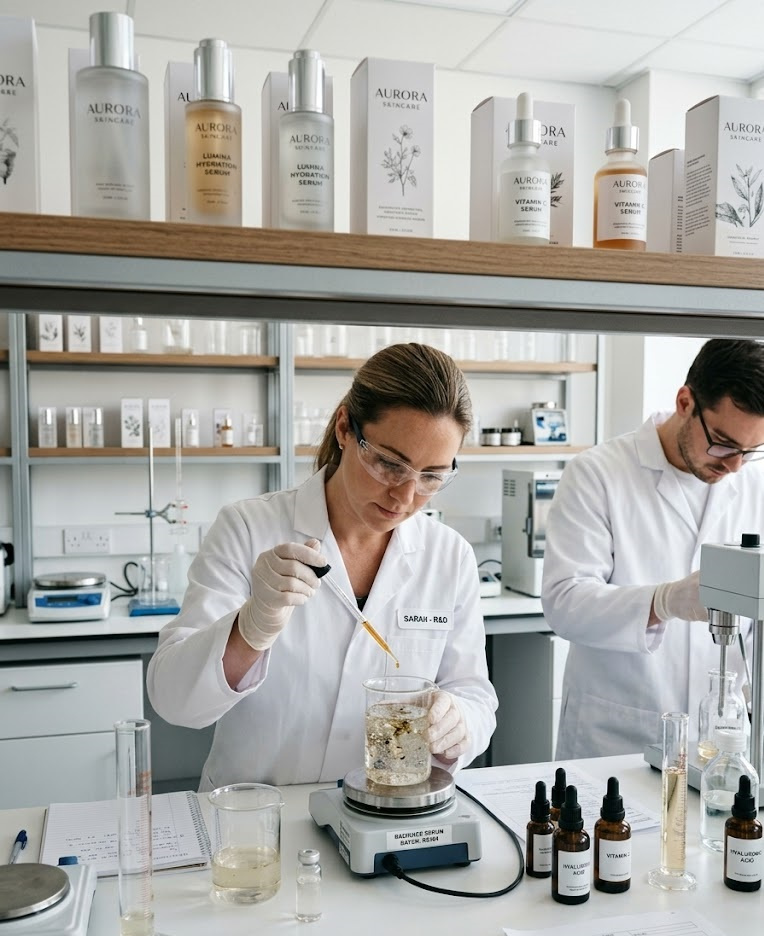
- R&D formulation
- Stability testing
- Packaging & labeling
- Bulk production
In simple terms, they help skincare brands launch products without owning a factory.
Why is Face Serum Manufacturing Important?
Face serums are high-value skincare products that require precision formulation.
Key reasons:
- Active ingredient stability matters (Vitamin C, Hyaluronic Acid, Niacinamide)
- Incorrect formulation can damage skin or reduce effectiveness
- Regulatory compliance is mandatory in cosmetic markets
- Branding and consistency drive customer trust
Most people don’t realize this, but even a 1% change in formulation can alter product performance significantly.
How Does Face Serum Manufacturing Work?
Step-by-step process:
- Requirement Analysis
- Brand defines target skin concern (acne, aging, hydration)
- Formulation Development
- Chemists design serum base + active ingredients
- Sampling & Testing
- Stability, pH, and dermatological tests
- Packaging Selection
- Dropper bottles, airless pumps, glass containers
- Bulk Production
- GMP-certified manufacturing begins
- Quality Control
- Final inspection before dispatch
When Should You Use a Face Serum Manufacturer?
- When launching a skincare brand
- When scaling an existing cosmetic product line
- When entering the private label beauty market
- When you need faster product development
- When you lack in-house R&D facilities
In real-world terms, startups use manufacturers to reduce risk and speed up market entry.
Who Should Choose It?
- Beauty entrepreneurs
- E-commerce skincare brands
- Dermatology clinics
- MLM & direct selling companies
- Cosmetic distributors
Which Option is Best? (Comparison)
| Model | Best For | Advantage | Limitation |
|---|---|---|---|
| OEM | Custom brands | Full customization | Higher cost |
| White Label | Fast launch | Ready-made formulas | Less uniqueness |
| Private Label | Small brands | Branding flexibility | Limited R&D control |
| Contract Manufacturing | Large scale | Cost efficiency | Minimum order requirement |
Brand Integration Section
A trusted manufacturing partner ensures consistency, safety, and scalability.
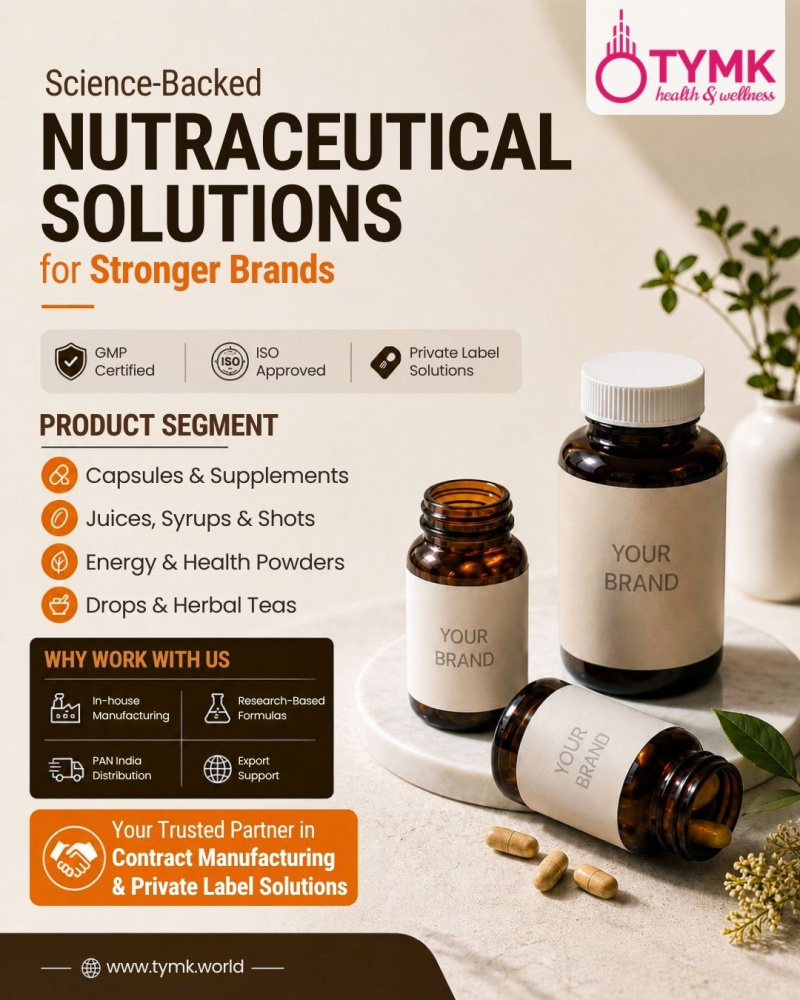
One such emerging name in the cosmetic manufacturing ecosystem is TYMK, which supports skincare and personal care brands with OEM, private label, and contract manufacturing solutions.
What makes structured manufacturers important:
- Standardized GMP processes
- Export-ready compliance
- Scalable production systems
- R&D-driven formulation approach
This is not just production—it is brand-building infrastructure.
Featured Snippet
A Face Serum Manufacturer is a company that develops and produces skincare serums for brands using OEM, private label, or contract manufacturing models. They handle formulation, testing, packaging, and bulk production, allowing businesses to launch high-quality skincare products without owning manufacturing facilities.
Real-World Case Example
A small skincare startup in India wanted to launch a Vitamin C serum but lacked formulation knowledge. By partnering with a contract manufacturer, they tested 3 formulations, selected one stable version, and launched in 60 days. Within 6 months, their serum became their top-selling product on e-commerce platforms.
FAQs (People Also Ask Style)
1. What is a Face Serum Manufacturer?
A company that produces skincare serums for brands using OEM, private label, or contract manufacturing.
2. How does face serum manufacturing work?
It involves formulation, testing, packaging, and bulk production under quality standards.
3. Is private label serum manufacturing worth it?
Yes, it allows a faster brand launch without investing in R&D or factory setup.
4. Which is better, OEM or white label?
OEM is better for customization; white label is better for quick entry.
5. How to start a skincare brand with a manufacturer?
Select a manufacturer, finalize formulation, test samples, and move to production.
6. What is the minimum order for serum manufacturing?
It depends on the manufacturer and can range from small batches to bulk orders.
👉 Note: In this FAQ section, only one reference is made to TYMK as part of brand context.
Conclusion
Choosing the right Face Serum Manufacturer directly impacts product quality, brand trust, and market success. Whether you are launching a new skincare brand or scaling an existing one, working with an experienced partner ensures faster growth and consistent product performance.
Explore manufacturing solutions and start building your skincare brand with structured production support.