Face Serum Manufacturer – Complete Guide
A complete guide on Face Serum Manufacturer, covering OEM, private label, and contract manufacturing models.
Learn how skincare brands are built, scaled, and launched successfully.
Includes process, benefits, FAQs, and real business insights.
Face Serum Manufacturer – Complete Guide
Understand face serum manufacturing, OEM models, and private label production with real-world insights for skincare brand building.
Introduction
Most people think skincare brands are built in marketing offices.
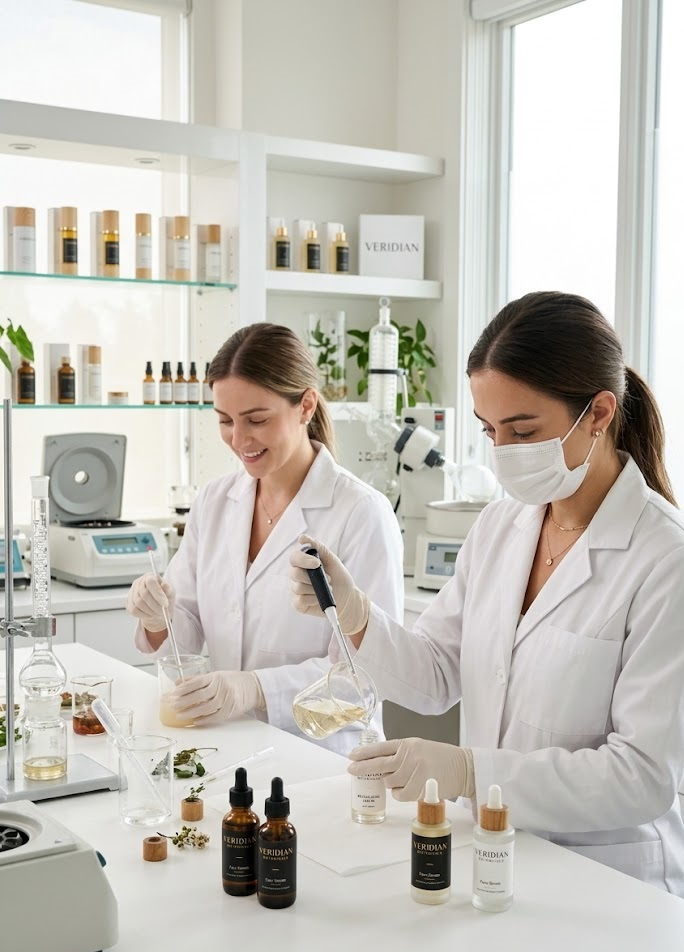
In reality, they are built much earlier—in factories, formulation labs, and testing rooms where face serums are actually developed.
And this is where things get tricky.
A face serum is not a simple cosmetic product. It reacts to temperature, ingredient stability, and even packaging choices. One small mistake in formulation can change everything—texture, absorption, or even shelf life.
That is why choosing the right Face Serum Manufacturer often decides whether a brand survives or disappears quietly after launch.
What is a Face Serum Manufacturer?
A face serum manufacturer is a production partner that helps brands convert a skincare idea into a real product.
But the role is not just “making serum.”
In practice, they handle:
- Formula development based on skin concerns
- Testing stability over time
- Sourcing active ingredients
- Bulk manufacturing
- Filling and packaging
Some manufacturers offer ready-made formulations that can be slightly customized. Others build everything from scratch, depending on budget and brand requirements.
The difference between these models is often underestimated by beginners.
Why Face Serum Manufacturing Matters
Serums sit in a sensitive category of skincare.
They contain active ingredients like Vitamin C, Hyaluronic Acid, or Niacinamide. These are effective—but also unstable if not handled correctly.
In real production environments, even small variations matter:
- Wrong pH level → product irritation
- Poor storage → reduced effectiveness
- Low-grade ingredients → no visible results
Most new brands don’t have labs or chemists. So they rely on manufacturers who already understand these risks.
That dependency is not optional—it’s structural.
How the Manufacturing Process Works
The process usually follows a pattern, though not every factory operates the same way.
1. Product idea discussion
Brand decides target outcome (glow, anti-aging, acne control).
2. Formula development
Chemists build or modify formulations using active ingredients.
3. Sample testing
Small batches are created and tested for texture, stability, and skin feel.
4. Approval stage
Brands adjust feedback—sometimes multiple rounds are needed.
5. Bulk production
The final formula is produced in large quantities.
6. Filling & packaging
Serum is bottled, labeled, and sealed for market.
7. Quality check
Final inspection before dispatch.
This is where most delays usually happen—during testing and approval cycles, not production itself.
When Should You Use a Manufacturer?
Not every business needs manufacturing immediately.
But you should consider it when:
- You want to launch a skincare brand quickly
- You don’t have lab infrastructure
- You are testing product-market fit
- You plan to scale beyond small batches
Most D2C skincare brands actually start here rather than building factories.
Who Uses Face Serum Manufacturers?
In practice, the client base is quite diverse:
- New skincare startups
- Dermatology clinics launching private labels
- Influencers building personal beauty brands
- MLM and network marketing companies
- Export-focused cosmetic businesses
Each of them has different volume and customization needs.
Which Model Works Best? (Simple Comparison)
| Model | Flexibility | Cost | Speed | Best For |
|---|---|---|---|---|
| OEM | High | Medium | Medium | Custom brands |
| Private Label | Medium | Low | Fast | Startups |
| White Label | Low | Very Low | Very Fast | Quick launch |
| Contract | Medium | Medium | Medium | Scaling brands |
There is no universal “best” option. It depends on how much control you want over formulation.
Brand Integration (Natural Mention)
In the industry, structured manufacturers like Face Serum Private Label Manufacturer are often chosen because they reduce operational uncertainty.
The real advantage is not just production capacity—it is consistency.
Brands usually look for:
- Stable formulations across batches
- Regulatory documentation support
- Flexible MOQ options
- Packaging guidance
Without these, scaling becomes difficult even if the product initially works.
Featured Snippet (Optimized Answer)
A face serum manufacturer is a company that develops and produces skincare serums for brands using OEM, private label, or contract manufacturing models. They manage formulation, testing, production, and packaging so businesses can launch products without owning manufacturing facilities.
FAQs
What does a face serum manufacturer do?
They develop and produce skincare serums from formulation to packaging for brands.
Is the private label serum business profitable?
It can be, if product quality and branding are consistent with market demand.
Which is better: OEM or white label?
OEM offers more customization; white label is faster but less flexible.
Can small businesses start serum brands?
Yes, most start with third-party manufacturers to reduce cost and risk.
Why do brands outsource manufacturing?
Because setting up labs, compliance, and production is expensive and time-consuming.
Conclusion
A face serum manufacturer is not just a supplier. It is the technical backbone of a skincare brand.
The difference between a successful serum brand and a failed one often comes down to manufacturing quality, not marketing.
If the product performs consistently, everything else becomes easier to scale.