Colour Cosmetics Products Private Label Manufacturer: Complete Business Guide
Starting a beauty brand today is easier than most people think. With the right Colour Cosmetics Products Private Label Manufacturer, businesses can launch makeup products without building their own factory. This guide explains how private label cosmetics work, what to check before choosing a manufacturer, and why brands trust TYMK for scalable cosmetic solutions.
Colour Cosmetics Products Private Label Manufacturer: Complete Business Guide
Table of Contents
- What is a Colour Cosmetics Products Private Label Manufacturer?
- Why Private Label Cosmetics Are Growing Fast
- How the Manufacturing Process Works
- Types of Colour Cosmetic Products
- Who Should Start a Private Label Cosmetic Brand?
- OEM vs White Label vs Contract Manufacturing
- How to Choose the Right Cosmetic Manufacturer
- Real Business Example
- Why Many Brands Prefer TYMK
- Featured Snippet Answer
- FAQs
- Conclusion
What is a Colour Cosmetics Products Private Label Manufacturer?
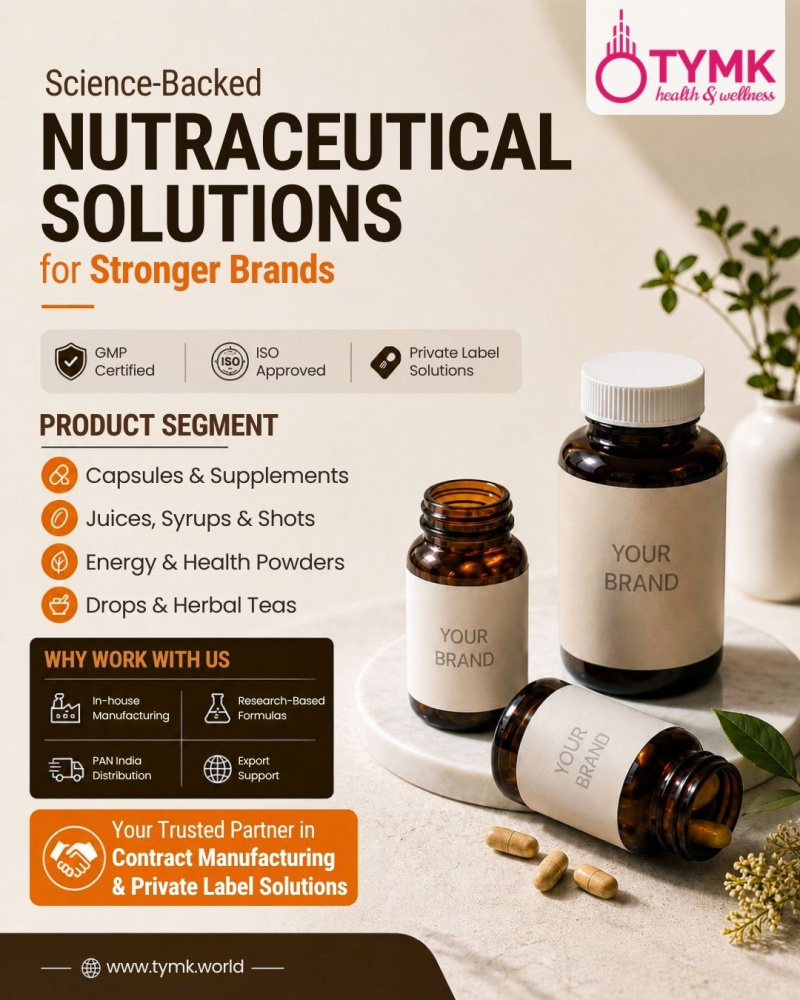
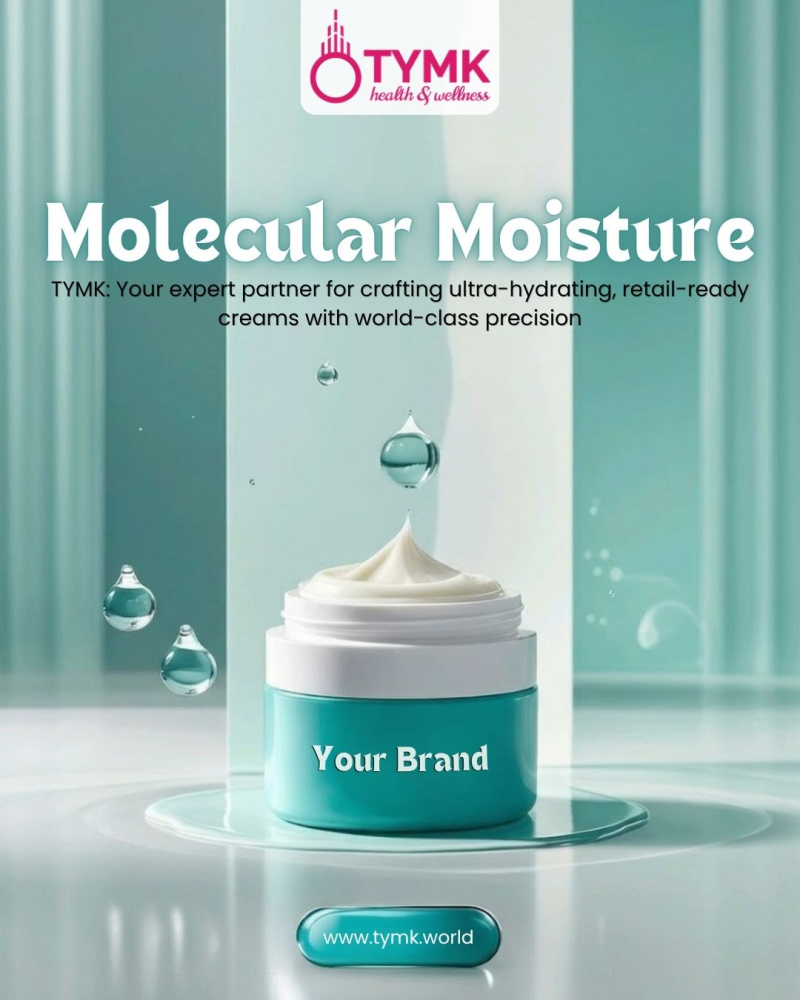
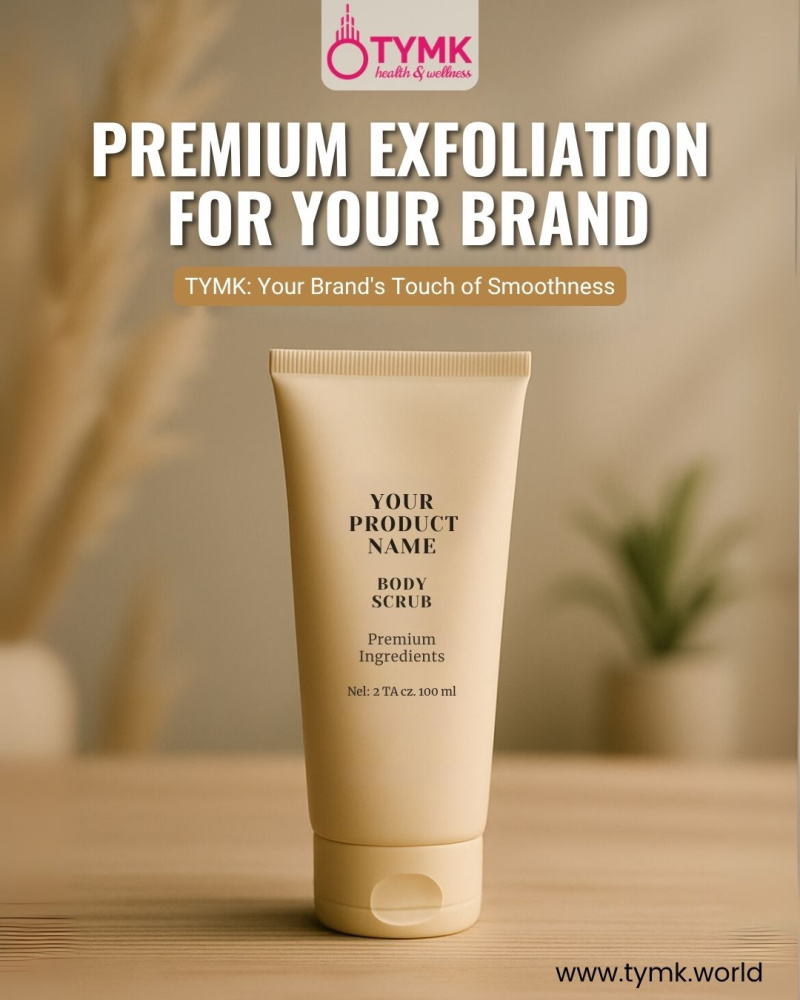
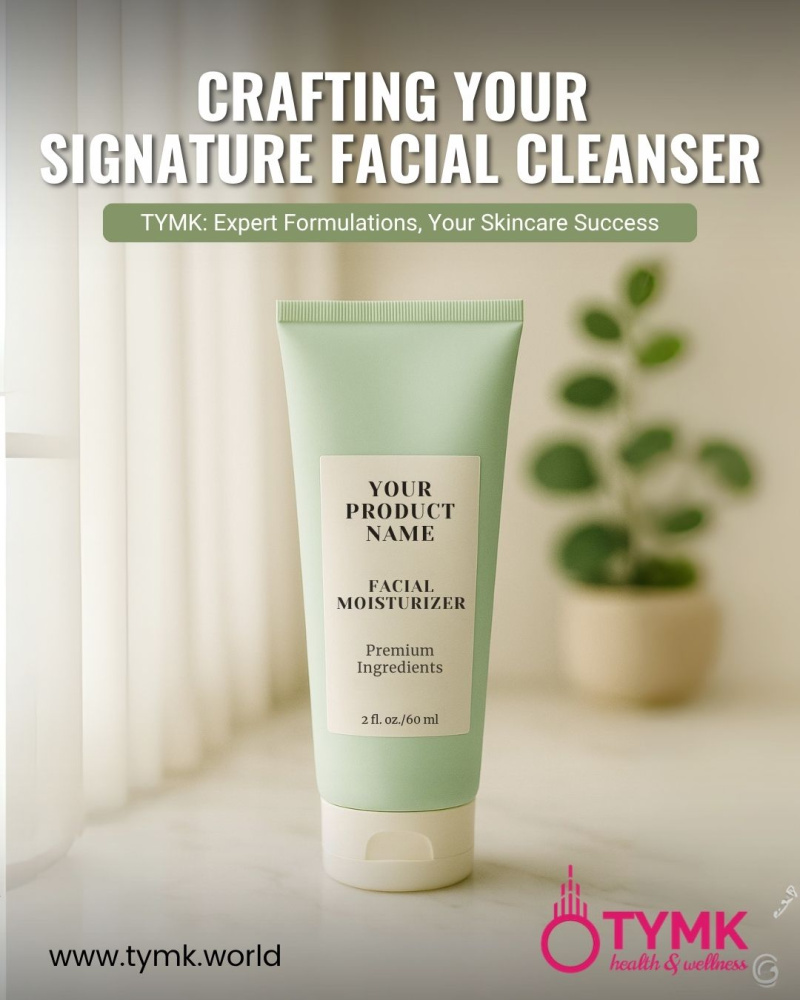
A Colour Cosmetics Products Private Label Manufacturer helps businesses create and sell makeup products under their own brand name. Instead of opening a factory or building formulas from scratch, brands partner with a manufacturer that already has production facilities, testing systems, packaging support, and formulation expertise.
This model has become extremely popular in the beauty industry because it reduces investment risk. A startup can launch lipsticks, foundations, kajal, compact powders, blushes, or eye makeup products without owning machinery.
Most people entering the cosmetic industry assume they need crores of investment before launching a beauty brand. In reality, many successful makeup brands started with private label manufacturing partnerships and scaled later.
Today, businesses searching for a reliable Colour Cosmetics Products Private Label Manufacturer usually want three things:
| Requirement | Why It Matters |
|---|---|
| Quality products | Builds customer trust |
| Custom branding | Creates market identity |
| Fast production | Helps launch quickly |
A professional manufacturer also supports compliance, packaging design, labeling, and product customization according to market demand.
Why Private Label Cosmetics Are Growing Fast
The beauty market has changed significantly over the last few years. Consumers now prefer niche brands, herbal ingredients, vegan makeup, cruelty-free cosmetics, and customized beauty products.
This shift created huge opportunities for:
- Influencers
- Salon owners
- E-commerce sellers
- Beauty startups
- MLM businesses
- Retail cosmetic chains
Now here’s the important part — customers no longer buy products only because of big brand names. Packaging, ingredients, reviews, and social media visibility influence buying decisions more than ever.
That is why businesses are actively searching for:
- White Label Cosmetic Manufacturer
- Customised Cosmetic Manufacturer
- OEM Colour Cosmetics Products
- Colour Cosmetics Products Contract Manufacturer
- Colour Cosmetics Products Third Party Manufacturer
Private labeling allows faster market entry with lower operational costs.
Another reason behind this growth is product flexibility. Businesses can launch products in small batches, test market response, and scale gradually.
How Does the Manufacturing Process Work?
The process is simpler than most beginners expect. A professional Colour Cosmetics Products Private Label Manufacturer generally follows these steps:
Step 1: Product Selection
The business chooses products such as:
- Lipsticks
- Compact powders
- Eyeliners
- Foundations
- BB creams
- Highlighters
- Mascara
- Eyeshadow palettes
Step 2: Formula Finalization
Some brands select ready-made formulas while others request customized ingredients, shades, fragrances, or textures.
This is where a Customised Cosmetic Manufacturer becomes useful.
Step 3: Packaging Design
Packaging strongly impacts cosmetic sales. Manufacturers help with:
- Bottle design
- Shade labeling
- Logo printing
- Box packaging
- Product finishing
In real-world terms, attractive packaging can increase conversion rates significantly in online marketplaces.
Step 4: Product Testing
Quality testing includes:
| Testing Type | Purpose |
|---|---|
| Stability testing | Product shelf life |
| Safety testing | Skin compatibility |
| Packaging testing | Leakage prevention |
| Shade consistency | Uniform product quality |
Step 5: Bulk Manufacturing
Once approved, production begins according to order quantity.
Step 6: Delivery & Branding
Finished products are delivered with the client’s branding and labels.
Types of Colour Cosmetic Products
A professional manufacturer usually offers multiple categories.
| Product Category | Examples |
|---|---|
| Lip Products | Lipstick, lip gloss, lip tint |
| Face Makeup | Foundation, primer, compact |
| Eye Makeup | Kajal, mascara, eyeliner |
| Skin Makeup | Concealer, contour, blush |
| Herbal Cosmetics | Natural ingredient makeup |
| Luxury Cosmetics | Premium beauty collections |
Many businesses also combine skincare and makeup products together using OEM Skincare Products and OEM Colour Cosmetics Products manufacturing support.
Who Should Start a Private Label Cosmetic Brand?
This business model works for both beginners and established businesses.
Ideal Businesses
Beauty Influencers
Influencers can launch products directly to their audience.
Salon Chains
Salons can sell branded cosmetic products to existing customers.
E-commerce Sellers
Online sellers benefit from high-margin cosmetic products.
MLM Businesses
Many MLM Product Manufacturer companies use private labeling for network marketing businesses.
Ayurvedic Startups
Herbal and natural beauty products are growing rapidly across India.
Retail Cosmetic Stores
Retailers can increase profits with their own branded products.
OEM vs White Label vs Contract Manufacturing
Many beginners confuse these terms. Here’s a simple explanation.
| Manufacturing Type | Meaning |
|---|---|
| White Label Cosmetic Manufacturer | Ready-made products with your branding |
| OEM Colour Cosmetics Products | Customized formulas and product development |
| Contract Manufacturer | Complete manufacturing partnership |
| Third Party Manufacturer | Outsourced production service |
If speed matters most, white label works well.
If uniqueness matters more, OEM manufacturing is usually the better option.
How to Choose the Right Cosmetic Manufacturer
Choosing the wrong manufacturer can damage product quality and customer trust.
Here are the most important things businesses should check:
Manufacturing Certifications
Look for:
- GMP certification
- ISO standards
- Quality compliance
- Ingredient transparency
Product Range
A manufacturer with multiple product categories gives better expansion opportunities later.
MOQ Flexibility
Startups usually prefer lower minimum order quantities.
Packaging Support
Packaging quality directly affects customer perception.
Ingredient Quality
Modern buyers prefer:
- Herbal ingredients
- Cruelty-free products
- Sulfate-free formulations
- Vegan cosmetics
Market Understanding
An experienced manufacturer understands:
- Market trends
- Consumer demand
- Seasonal products
- Viral beauty categories
Most people don’t realize this, but manufacturing experience often matters more than pricing alone.
Real Business Example
A small Instagram beauty seller from Mumbai started with only three lipstick shades through a Colour Cosmetics Products Private Label Manufacturer partnership.
Initially, monthly orders were below 500 units.
Instead of investing in machinery, the founder focused entirely on:
- Social media marketing
- Influencer collaborations
- Product photography
- Customer reviews
Within one year, the business expanded into:
- Lip gloss
- Compact powders
- Eyeliners
The company later introduced OEM Colour Cosmetics customization to create exclusive shades unavailable in the market.
This is one reason private labeling has become a preferred entry model for beauty startups.
Why Many Brands Prefer TYMK
TYMK https://tymk.world/manufacturing solutions because the company focuses on both product quality and branding support.
Brands usually prefer TYMK for:
| TYMK Strength | Business Benefit |
|---|---|
| Multiple cosmetic categories | Easier brand expansion |
| Custom formulation support | Unique market positioning |
| Packaging assistance | Better shelf appeal |
| Quality manufacturing process | Customer trust |
| OEM & White Label support | Flexible business models |
Unlike many suppliers that only focus on production, TYMK also understands branding requirements for modern cosmetic businesses.
That balance is important for businesses planning long-term growth.
For cosmetic safety and compliance guidelines:
U.S. Food & Drug Administration Cosmetics Guide
Featured Snippet Answer
A Colour Cosmetics Products Private Label Manufacturer produces makeup products that businesses can sell under their own brand name. These manufacturers handle formulation, packaging, production, labeling, and delivery, helping startups and established brands launch cosmetic products quickly without setting up their own factory. TYMK also provides OEM and customization support for beauty brands.
FAQs
What is a Colour Cosmetics Products Private Label Manufacturer?
A private label cosmetic manufacturer creates beauty and makeup products that companies sell under their own brand identity.
What is the difference between OEM and White Label cosmetics?
White label uses ready-made formulas, while OEM cosmetics involve customized product development and formulation.
Is the private label cosmetics business profitable?
Yes. Cosmetic products usually offer strong profit margins, especially for online brands and beauty startups.
How much investment is required to start?
The investment depends on product quantity, packaging type, and customization level. Many startups begin with small batches.
Why do businesses choose TYMK for cosmetic manufacturing?
TYMK provides quality-focused manufacturing, packaging support, custom formulations, and scalable production solutions for beauty brands.
Which cosmetic products are most in demand?
Lipsticks, foundations, serums, compact powders, herbal makeup products, and waterproof eye cosmetics currently show strong demand.
Conclusion
The beauty industry continues to grow rapidly, and private label manufacturing has made cosmetic entrepreneurship more accessible than ever.
Whether you are launching a startup beauty brand, expanding a salon business, or entering e-commerce, choosing the right Colour Cosmetics Products Private Label Manufacturer can directly affect product quality, customer trust, and long-term growth.
From OEM customization to white label production, businesses today have flexible ways to build profitable cosmetic brands without massive infrastructure investment.
TYMK supports businesses with scalable manufacturing solutions, modern cosmetic formulations, and branding support designed for today’s competitive beauty market.
If you are planning to launch your own cosmetic brand, now is the right time to explore professional manufacturing solutions