10 Powerful Benefits of White Label Cosmetic Manufacturing
Learn how White Label Cosmetic Manufacturing helps beauty brands launch products quickly, lower investment costs, maintain quality, and grow faster in today's competitive cosmetic market.
10 Powerful Benefits of White Label Cosmetic Manufacturing
Table of Contents
- What is White Label Cosmetic Manufacturing?
- Why is White Label Manufacturing Growing Rapidly?
- 10 Powerful Benefits of White Label Cosmetic Manufacturing
- White Label vs Private Label vs OEM Manufacturing
- Real Business Example
- Why Brands Choose TYMK
- Featured Snippet
- FAQs
- Conclusion
Launching a beauty brand has never been easier, but building a successful one still requires smart decisions. One of the biggest decisions entrepreneurs face is whether to manufacture products themselves or work with an experienced manufacturing partner.
This is where White Label Cosmetic Manufacturing becomes a practical and profitable solution.
Many successful skincare, haircare, personal care, wellness, and beauty brands started without owning a factory. Instead, they partnered with manufacturers who already had proven formulations, production capabilities, quality systems, and packaging support in place.
For startups and growing businesses, this approach reduces risk while allowing them to focus on branding, sales, and customer acquisition.
In this guide, we'll explore why white-label manufacturing has become one of the fastest-growing business models in the beauty industry and how it can help brands scale efficiently.
What is White Label Cosmetic Manufacturing?
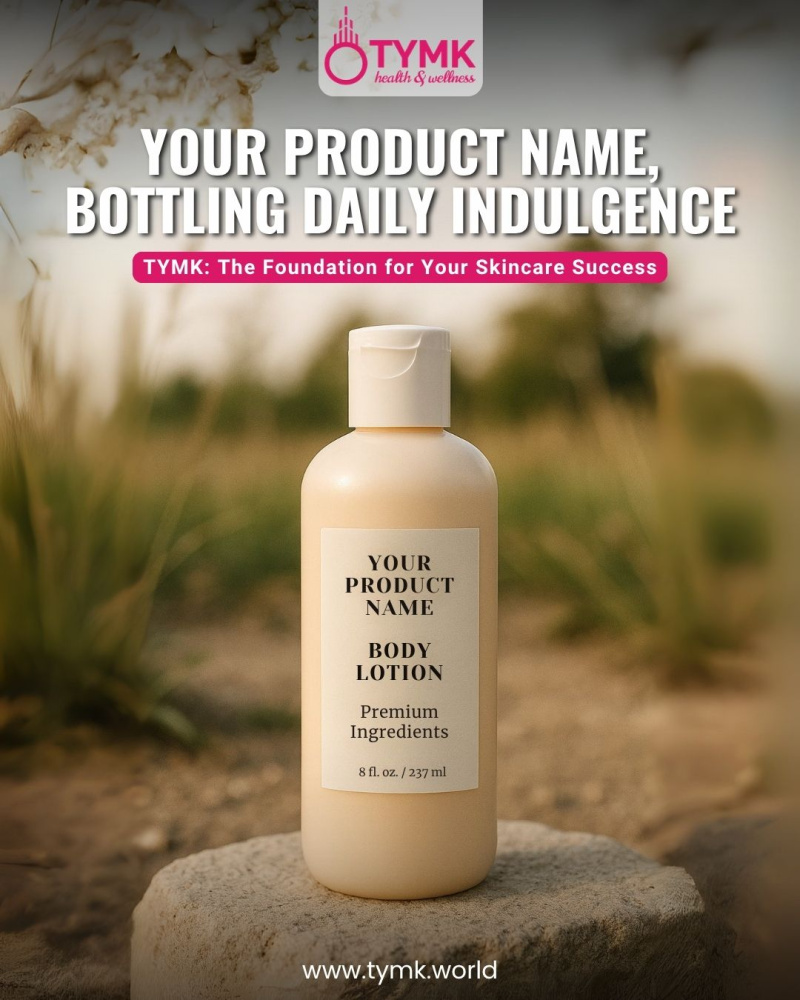
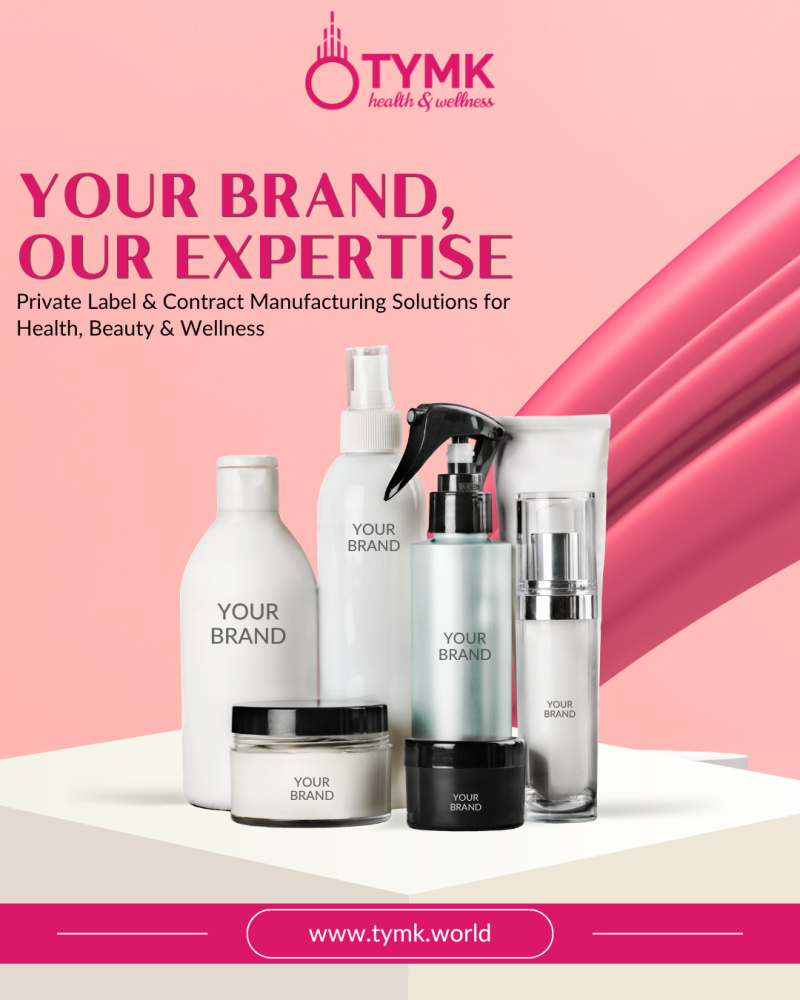
White Label Cosmetic Manufacturing is a business model where a manufacturer develops and produces cosmetic products that can be sold under another company's brand name.
Rather than spending months creating formulations and building production facilities, businesses can choose from ready-to-market products and customize packaging, branding, and labeling according to their requirements.
This model is widely used for:
- Skincare products
- Haircare products
- Face serums
- Personal care products
- Baby care products
- Herbal products
- Wellness products
- Fragrances and perfumes
The biggest advantage is speed. Brands can enter the market much faster while maintaining professional product quality.
Why is White Label Manufacturing Growing Rapidly?
The beauty and personal care industry continues to expand globally. Consumers are constantly looking for innovative products, better ingredients, and trusted brands.
At the same time, entrepreneurs are realizing that manufacturing products from scratch requires significant investment, technical expertise, regulatory knowledge, and operational management.
White label manufacturing solves these challenges by allowing businesses to focus on what they do best—building a brand and attracting customers.
Most people don't realize this, but many successful cosmetic brands don't manufacture their own products. They rely on experienced manufacturing partners that already have the systems, equipment, and expertise needed to produce quality products at scale.
10 Powerful Benefits of White Label Cosmetic Manufacturing
1. Faster Product Launch
Speed matters in today's beauty industry.
Creating a product from the ground up can take months or even years. White-label manufacturing allows businesses to launch products much faster because formulations are already developed and production processes are established.
This helps brands respond quickly to market trends and customer demand.
2. Lower Initial Investment
Building a manufacturing facility requires substantial capital investment.
Businesses must purchase equipment, secure production space, hire technical teams, source raw materials, and manage compliance requirements.
With white-label manufacturing, much of this infrastructure already exists, significantly reducing startup costs.
3. Access to Industry Expertise
Manufacturing cosmetic products involves formulation science, quality control, testing procedures, packaging compatibility, and regulatory requirements.
Working with an experienced manufacturer gives brands access to specialized knowledge that would otherwise take years to develop internally.
4. Consistent Product Quality
Consistency is critical for customer trust.
Consumers expect the same experience every time they purchase a product. Professional manufacturers follow standardized production procedures that help maintain quality across batches.
This consistency helps brands build credibility and long-term customer loyalty.
5. Greater Focus on Brand Building
One common mistake startup founders make is trying to manage everything themselves.
Instead of worrying about production operations, brands can focus on:
- Marketing
- Sales
- Customer service
- Social media
- Distribution
- Business growth
This often leads to faster market expansion and stronger brand recognition.
6. Scalability for Future Growth
A product that sells 500 units today may need to support 50,000 units tomorrow.
White-label manufacturing provides production scalability without requiring brands to constantly invest in new equipment and facilities.
As demand increases, production capacity can often increase alongside it.
7. Reduced Operational Risk
Manufacturing operations involve multiple risks, including equipment breakdowns, inventory management issues, compliance requirements, and quality concerns.
Partnering with an established manufacturer reduces many of these operational challenges and allows businesses to operate more efficiently.
8. Professional Packaging Support
Product packaging plays a major role in consumer purchasing decisions.
Many manufacturers offer packaging guidance, labeling support, and design compatibility assistance to help products look more professional and market-ready.
A well-presented product can significantly improve perceived value.
9. Easier Product Portfolio Expansion
Once a brand gains traction, customers often request additional products.
A skincare brand may eventually want face serums, shampoos, body lotions, or wellness products.
White-label manufacturing makes product line expansion faster because manufacturers already have multiple product categories available.
10. Competitive Market Advantage
Launching quickly, maintaining quality, and controlling costs gives brands a significant competitive advantage.
Businesses can allocate more resources toward customer acquisition and brand growth instead of manufacturing infrastructure.
This often leads to better profitability and stronger long-term positioning.
White Label vs Private Label vs OEM Manufacturing
| Feature | White Label | Private Label | OEM Manufacturing |
|---|---|---|---|
| Product Development Time | Fast | Medium | Long |
| Initial Investment | Low | Medium | High |
| Customization Level | Limited | Moderate | Extensive |
| Market Entry Speed | Very Fast | Fast | Slow |
| Startup Friendly | Yes | Yes | Less Suitable |
| Technical Complexity | Low | Medium | High |
Real Business Example
A startup entrepreneur wanted to launch a skincare brand featuring face serums and moisturizers. Initially, they considered developing custom formulations from scratch.
However, after evaluating the costs and timelines involved, they partnered with a white-label cosmetic manufacturer.
Within a relatively short period, the business launched professionally branded products, focused its budget on marketing, and began generating sales without investing heavily in manufacturing infrastructure.
This scenario is becoming increasingly common among modern beauty startups looking to enter the market efficiently.
Why Brands Choose TYMK
Choosing the right manufacturing partner is just as important as choosing the right product.
TYMK supports businesses looking to develop and scale brands across beauty, wellness, personal care, healthcare, herbal, and cosmetic categories.
From product selection and packaging guidance to manufacturing support and quality-focused production processes, TYMK helps businesses simplify the journey from concept to market.
Whether you're launching your first product or expanding an existing portfolio, having a reliable manufacturing partner can make a significant difference in long-term success.
Featured Snippet
What are the benefits of White Label Cosmetic Manufacturing?
White Label Cosmetic Manufacturing helps businesses launch products faster, reduce startup costs, maintain product quality, access manufacturing expertise, scale efficiently, and focus on brand growth. It allows companies to sell professional cosmetic products under their own brand without building manufacturing facilities.
FAQs
Is White Label Cosmetic Manufacturing suitable for startups?
Yes. It allows startups to enter the market quickly without investing heavily in manufacturing infrastructure.
What is the difference between white-label and private-label cosmetics?
White-label products use existing formulations, while private-label products often allow greater customization.
How long does it take to launch a white-label cosmetic brand?
Timelines vary depending on packaging and branding requirements, but white-label manufacturing is generally faster than developing products from scratch.
Can businesses expand product lines through white-label manufacturing?
Yes. Manufacturers often provide multiple product categories, making expansion easier and more cost-effective.
Why do brands work with TYMK?
TYMK helps brands streamline manufacturing, packaging, product development support, and business growth through professional manufacturing solutions.
Conclusion
White Label Cosmetic Manufacturing has transformed how modern beauty brands enter and grow within the market. It reduces barriers to entry, lowers investment requirements, speeds up product launches, and allows businesses to focus on what truly drives success—building a trusted brand.
For startups, growing businesses, and entrepreneurs seeking efficient market entry, white-label manufacturing offers a practical pathway toward long-term growth. Partnering with an experienced manufacturer such as TYMK can help simplify operations while supporting scalable business development.
For cosmetic safety and compliance information, businesses can refer to the U.S. Food & Drug Administration (FDA): https://www.fda.gov/cosmetics