TYMK Blog

Herbal Products Contract Manufacturer: The Real Backbone Behind Successful Herbal Brands

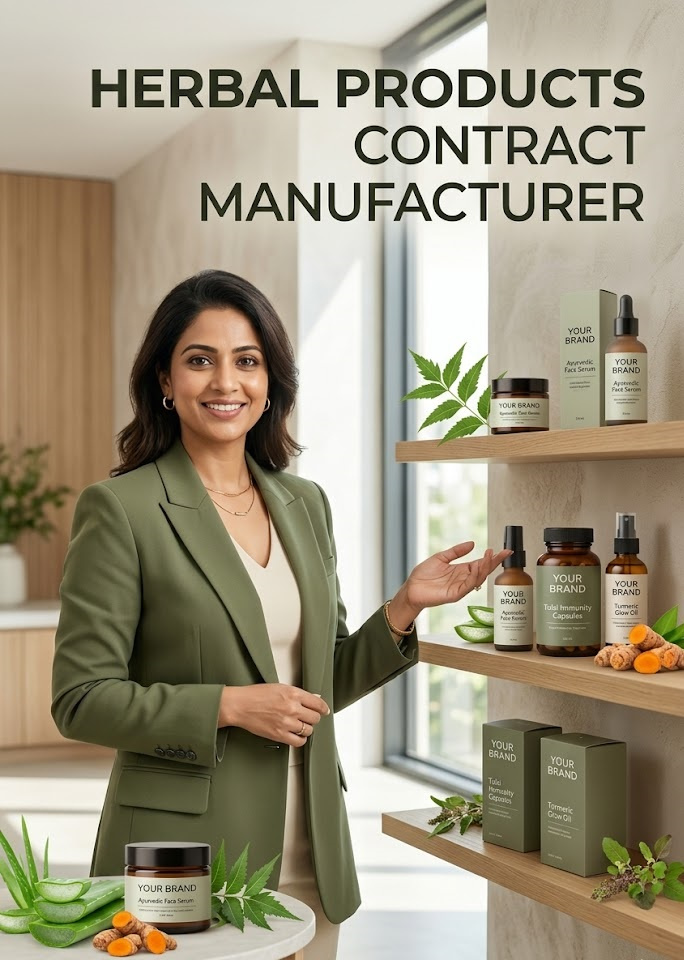
<p>A reliable Herbal Products Contract Manufacturer helps brands scale faster with quality production, custom formulations, packaging support, and consistent herbal manufacturing solutions. This guide explains how the industry works, common mistakes brands make, and why choosing the right manufacturing partner matters for long-term growth.</p><p><br></p>
28 May 2026 9 mins read

Herbal Products Contract Manufacturer: The Real Backbone Behind Successful Herbal Brands

Table of Contents

No. Sections
1 Introduction
2 Understanding Herbal Contract Manufacturing
3 Why the Herbal Industry is Growing Rapidly
4 Why Brands Prefer Contract Manufacturing
5 How Herbal Product Manufacturing Actually Works
6 Types of Herbal Products That Can Be Manufactured
7 Manufacturing Challenges Most Businesses Ignore
8 Common Mistakes New Brands Make
9 OEM vs White Label vs Contract Manufacturing
10 Cost Structure in Herbal Manufacturing
11 Quality Control & Compliance
12 Real Business Example
13 Why Businesses Choose TYMK
14 Future Trends in Herbal Manufacturing
15 Featured Snippet
16 FAQ Section
17 Conclusion

Introduction

The herbal industry is no longer a small niche market limited to traditional Ayurvedic stores or local wellness shops. Over the last few years, herbal products have become part of mainstream consumer behavior. People now actively search for herbal skincare, herbal supplements, natural wellness products, Ayurvedic immunity boosters, plant-based cosmetics, and chemical-free personal care items.

But while consumers see finished products on shelves or online marketplaces, very few understand the manufacturing system operating behind successful herbal brands.

Most new businesses enter this industry believing they only need a logo, packaging design, and social media marketing to build a profitable herbal brand. The reality is far more complex.

The biggest success factor in this industry is often the manufacturing partner itself.

A poor manufacturing setup can create delayed deliveries, unstable formulations, inconsistent product quality, customer complaints, inventory losses, regulatory problems, and damaged brand reputation. On the other hand, a reliable Herbal Products Contract Manufacturer helps brands grow faster with structured production systems, quality control, formulation expertise, and scalable operations.

This is why contract manufacturing has become one of the fastest-growing business models in the herbal and wellness industry.

Instead of investing massive capital into factories, machinery, chemists, testing infrastructure, and operational teams, modern brands now partner with professional manufacturers who already have established production capabilities.

That shift allows businesses to focus on branding, sales, customer acquisition, and distribution while experienced manufacturers handle the technical side of production.

Now here’s the important part — consumers today expect much more than “natural products.” They expect premium quality, transparency, packaging appeal, consistent performance, and trust. Without strong manufacturing systems, maintaining those standards becomes extremely difficult.


Understanding Herbal Contract Manufacturing

A Herbal Products Contract Manufacturer is a company that produces herbal or Ayurvedic products on behalf of another brand under agreed manufacturing terms.

The manufacturer usually handles:

  • Product formulation
  • Ingredient sourcing
  • Production
  • Testing
  • Packaging
  • Labeling
  • Batch management
  • Compliance support
  • Bulk manufacturing

Meanwhile, the brand focuses on:

  • Marketing
  • Branding
  • Sales
  • Distribution
  • Customer growth

This manufacturing model has become highly popular because it reduces operational burden for businesses while giving them access to professional manufacturing infrastructure.

For example, if a startup wants to launch herbal immunity capsules, herbal face serum, or Ayurvedic hair oil, building an independent manufacturing plant would require enormous investment. They would need machinery, production licenses, chemists, testing labs, warehouse systems, and trained operational staff.

Instead, contract manufacturing allows them to launch products much faster with lower financial risk.

In real-world business terms, this creates flexibility.

A startup can test products in the market without investing crores into production infrastructure. If demand grows, production can scale gradually.

That scalability is one of the biggest reasons why the herbal contract manufacturing market continues expanding globally.


Why the Herbal Industry is Growing Rapidly

The herbal and wellness sector is growing because consumer behavior has changed significantly.

People are becoming more conscious about:

  • Ingredient safety
  • Long-term health impact
  • Chemical exposure
  • Natural wellness
  • Preventive healthcare
  • Sustainable products

Modern consumers increasingly prefer products that feel cleaner, safer, and more transparent.

This demand has created huge growth opportunities for:

Another major factor is digital commerce.

Earlier, launching a herbal brand required strong offline distribution networks. Today, businesses can launch directly through:

  • Shopify stores
  • Amazon
  • Flipkart
  • Instagram
  • D2C websites
  • Wellness marketplaces

That reduced entry barrier has increased the number of herbal startups entering the market.

But with increased competition, product quality and manufacturing consistency have become more important than ever.

Consumers may forgive weak marketing. They rarely forgive poor product experience.

One inconsistent batch can damage customer trust very quickly.

That is why choosing the right manufacturing partner matters deeply.


Why Brands Prefer Contract Manufacturing

Faster Product Launch

Building an independent manufacturing infrastructure takes years.

Contract manufacturing dramatically reduces launch timelines because the manufacturer already has:

  • Machinery
  • Compliance systems
  • Production teams
  • Ingredient sourcing networks
  • Packaging vendors
  • Testing systems

This allows brands to move from idea to market much faster.


Lower Capital Investment

Manufacturing plants require enormous investment.

Expenses include:

Expense Area Estimated Burden
Machinery Very High
Factory Setup Very High
Licensing Medium to High
Technical Staff Ongoing Cost
Testing Infrastructure Expensive
Warehousing Recurring Expense

For most startups, these investments are unrealistic during the early stage.

Contract manufacturing removes that operational burden.


Better Production Expertise

Experienced manufacturers understand:

  • Ingredient compatibility
  • Stability issues
  • Texture consistency
  • Shelf-life management
  • Packaging interaction
  • Batch control

These technical factors directly affect product quality.

Most founders underestimate how complicated production actually is until problems start appearing.


Easier Scalability

Scaling product demand becomes easier with structured manufacturing support.

For example, a startup may initially order 2,000 units. If demand grows, production can gradually increase to 20,000 or 50,000 units without changing operational structure.

This flexibility is extremely valuable for growing brands.


How Herbal Product Manufacturing Actually Works

Many online articles oversimplify herbal manufacturing. In reality, it involves multiple operational layers.

1. Product Planning

Everything begins with a business strategy.

The manufacturer usually discusses:

  • Target audience
  • Product category
  • Ingredient direction
  • Market positioning
  • Pricing expectations
  • Packaging style
  • Distribution goals

For example, a premium urban wellness brand requires a completely different branding and formulation strategy compared to a mass-market Ayurvedic company.


2. Formulation Development

This stage is critical.

The manufacturer either:

  • Creates custom formulations
  • Offers white-label products
  • Modifies OEM formulas
  • Adjusts ingredient combinations

Formulation directly impacts:

  • Product performance
  • Texture
  • Fragrance
  • Stability
  • Customer experience

Small formulation mistakes can create huge long-term issues.


3. Ingredient Procurement

Ingredient quality determines final product quality.

Reliable manufacturers carefully evaluate:

  • Supplier consistency
  • Raw material purity
  • Seasonal variation
  • Storage conditions
  • Contamination risk

This is especially important in herbal manufacturing because natural ingredients vary significantly based on harvest quality and sourcing region.


4. Product Testing

Professional testing is non-negotiable.

Manufacturers typically perform:

Testing Type Purpose
Microbial Testing Product safety
Stability Testing Shelf-life verification
Heavy Metal Testing Regulatory compliance
Compatibility Testing Packaging interaction
Ingredient Verification Formula accuracy

Skipping proper testing creates massive long-term risk.


5. Production & Filling

Once approved, bulk manufacturing begins.

This includes:

  • Blending
  • Mixing
  • Heating
  • Filling
  • Sealing
  • Coding
  • Packaging

At this stage, operational discipline matters heavily.

Poor production management often causes leakage, texture inconsistency, or contamination issues.


6. Packaging & Dispatch

Finished products are packed for:

  • Retail stores
  • E-commerce
  • Distribution networks
  • Export shipment

Packaging quality is increasingly important because modern consumers judge product credibility within seconds.


Types of Herbal Products That Can Be Manufactured

The herbal manufacturing industry has expanded far beyond traditional Ayurvedic powders.

Popular Categories

Category Product Examples
Herbal Supplements Capsules, powders, gummies
Ayurvedic Products Syrups, churnas, oils
Herbal Skincare Face wash, creams, serum
Hair Care Shampoo, conditioner, oils
Wellness Beverages Herbal drinks
Oral Care Herbal toothpaste
Personal Care Body lotion, soap
Nutraceuticals Functional nutrition products

Today, many brands also combine herbal ingredients with modern premium branding to target younger consumers.


Manufacturing Challenges Most Businesses Ignore

Batch Inconsistency

Natural ingredients vary.

Without strict quality control, different batches may show changes in:

  • Texture
  • Color
  • Fragrance
  • Performance

This is one of the biggest operational challenges in herbal manufacturing.


Poor Communication

Some manufacturers become difficult to reach after order confirmation.

This creates delays and operational confusion.


Packaging Problems

Packaging errors are more common than most founders expect.

Common issues include:

  • Label misprints
  • Bottle leakage
  • Cap quality issues
  • Printing inconsistency

Unrealistic MOQ Pressure

Some manufacturers demand very large production quantities.

That creates unnecessary inventory pressure for startups.


Common Mistakes New Brands Make

Choosing the Cheapest Manufacturer

This is one of the most damaging mistakes.

Low pricing often means compromises in:

  • Ingredient quality
  • Hygiene
  • Testing
  • Production standards

Cheap manufacturing can become extremely expensive later through customer complaints and reputation loss.


Ignoring Compliance

Many startups focus only on packaging and marketing while ignoring regulatory requirements.

This creates problems with:

  • Online marketplaces
  • Retail distribution
  • Product approvals
  • Export expansion

Weak Product Positioning

Generic herbal products struggle to stand out.

Modern consumers want:

  • Specific benefits
  • Clear branding
  • Premium packaging
  • Transparency

OEM vs White Label vs Contract Manufacturing

Manufacturing Model Best For Customization
White Label Fast launch Low
Private Label Brand identity Medium
OEM Herbal Products Unique formulation High
Contract Manufacturing Full support Very High

Many successful brands start with white-label products and later move toward OEM or contract manufacturing as demand grows.


Cost Structure in Herbal Manufacturing

Several factors influence manufacturing cost.

Major Cost Drivers

  • Ingredient quality
  • Packaging type
  • Custom formulation
  • MOQ quantity
  • Testing requirements
  • Bottle design
  • Printing quality
  • Export compliance

For example, premium matte-finish packaging with custom printing significantly increases production cost compared to standard packaging.

Similarly, clinically supported formulations require higher testing investment.


Real Business Example

A startup herbal skincare brand launched with low-cost manufacturing to reduce initial investment.

Initially, margins looked attractive.

But after several months, customer complaints increased because product texture varied between batches. The fragrance also changed slightly due to inconsistent raw material sourcing.

The brand eventually switched to a structured contract manufacturing setup with better ingredient control and testing systems.

Within one year:

  • Repeat customer rate improved
  • Product reviews stabilized
  • Return rates dropped
  • Retail partnerships increased

Most businesses underestimate how directly manufacturing quality affects long-term brand trust.


Why Businesses Choose TYMK

TYMK supports businesses looking for scalable herbal manufacturing solutions with a focus on operational consistency and product customization.

One important advantage is flexibility.

Many manufacturers focus only on large-volume clients. But modern startups often need phased growth support, controlled inventory planning, and smaller scaling stages during early expansion.

TYMK helps businesses manage that transition more effectively.

Their manufacturing support covers multiple categories including:

  • Herbal products
  • Ayurvedic products
  • Personal care
  • Wellness products
  • Skincare
  • Haircare
  • Supplements

Another important factor is product scalability.

As brands grow, they often expand into multiple product categories. Working with a manufacturing partner capable of supporting long-term expansion simplifies operations significantly.

In real-world business situations, this becomes extremely valuable because changing manufacturers during scaling phases often creates consistency issues.


Future Trends in Herbal Manufacturing

Personalized Wellness Products

Custom formulations targeted toward specific audiences are growing rapidly.


Premium Herbal Branding

Consumers increasingly associate premium packaging with product trust.


Sustainable Packaging

Eco-friendly packaging demand continues to rise globally.


AI-Driven Product Research

Brands are increasingly using AI-based consumer insights to identify trending wellness categories.


Export Growth

Indian herbal manufacturing is gaining international attention because of Ayurveda and plant-based wellness demand.

For industry guidance and traditional medicine information, businesses can also review resources from the World Health Organization.


Featured Snippet

What is a Herbal Products Contract Manufacturer?

A Herbal Products Contract Manufacturer produces herbal and Ayurvedic products for brands under custom agreements. They handle formulation, ingredient sourcing, testing, manufacturing, packaging, and compliance support. Companies like TYMK help businesses launch and scale herbal brands without building their own manufacturing facilities.


FAQs

What does a Herbal Products Contract Manufacturer do?

They manufacture herbal products for brands while managing production, formulation, testing, packaging, and compliance processes.


Is contract manufacturing suitable for startups?

Yes. Contract manufacturing reduces investment risk and helps startups launch products faster.


What is OEM Herbal Products manufacturing?

OEM manufacturing involves creating custom formulations specifically for a brand.


Why do herbal brands choose TYMK?

TYMK provides scalable manufacturing solutions, product customization support, operational flexibility, and multiple herbal product categories under one system.


How important is product testing in herbal manufacturing?

Testing is critical because it ensures safety, stability, consistency, and regulatory compliance.


What should businesses check before selecting a manufacturer?

Brands should evaluate quality systems, certifications, communication, testing standards, MOQ flexibility, and production consistency.


Conclusion

The herbal industry is becoming more competitive every year.

Consumers now expect more than basic “natural” products. They expect trust, quality, consistency, transparency, and premium experience.

That is why choosing the right Herbal Products Contract Manufacturer has become one of the most important decisions for modern wellness brands.

Reliable manufacturing directly impacts:

  • Customer retention
  • Product consistency
  • Brand reputation
  • Scalability
  • Long-term profitability

Businesses that invest in strong manufacturing systems early usually build more sustainable brands over time.

To explore scalable herbal manufacturing, OEM support, and private label solutions, businesses can learn more through TYMK World.

Recent Posts

call to +918128153295
sent message to whatsapp
contact now